Can You Bring A Dog To Cape Kidnappers?
Dogs are not allowed at the Cape Kidnappers gannet reserve or on the overland tours. Here is what the rules are, why they exist, and what dog owners can do instead.
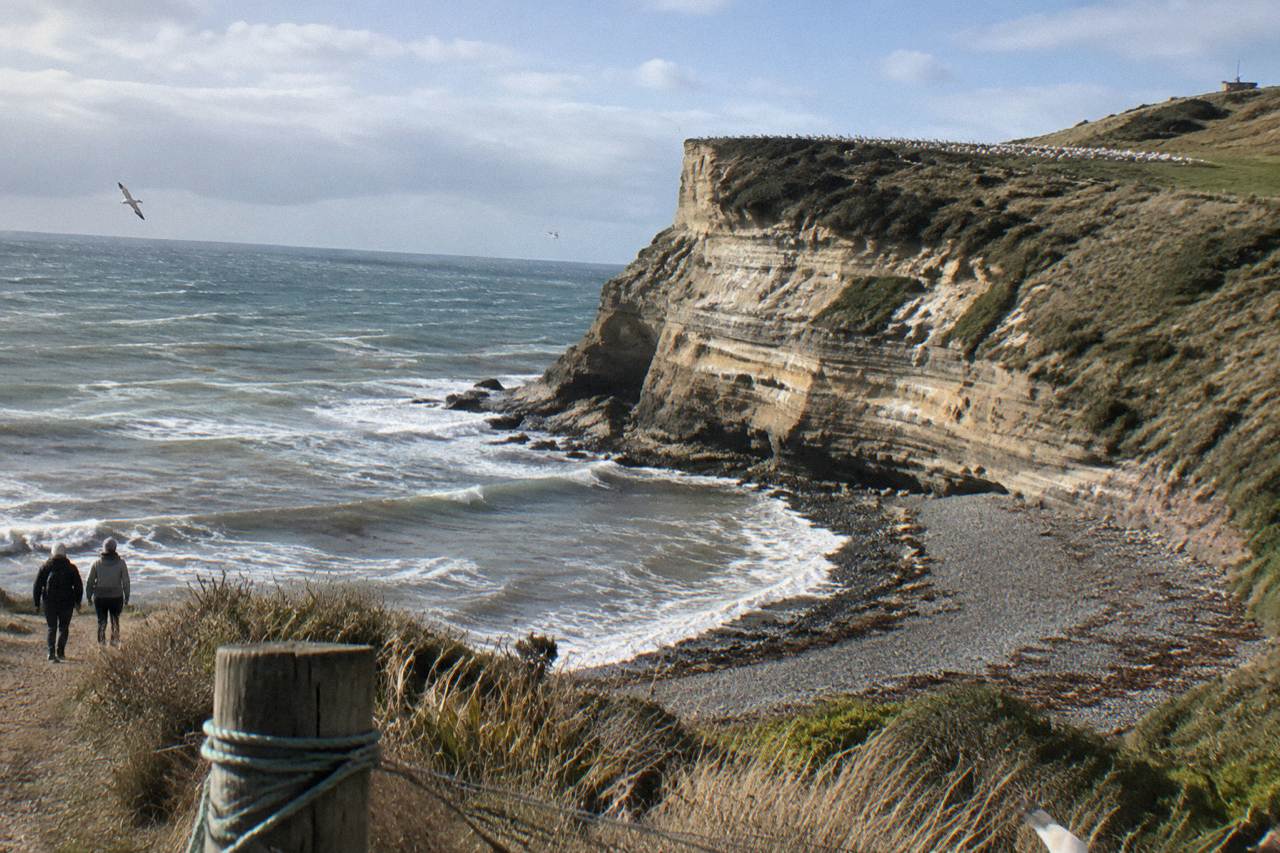
No, dogs are not allowed at Cape Kidnappers. The reserve is a wildlife sanctuary, and the Department of Conservation prohibits dogs anywhere in the Cape Kidnappers / Te Kauwae-a-Maui Gannet Reserve, on the beach approach and on the walking track alike. The overland gannet tours also cannot carry dogs, for the same reason: the vehicle crosses a predator-fenced conservation area where a dog, however calm, is a threat to nesting birds.
The short answer disappoints a lot of travellers. The two do not combine at this particular cape. DOC's rules for the reserve are explicit: no dogs or horses, no motorbikes or vehicles off the beach into the reserve, no fires or camping. Those rules are not targeted at dogs specifically. They exist because the cape holds one of the most important seabird colonies in the country, and because the land is a mix of conservation reserve and private farmland with a fence designed to keep predators out rather than to admit visitors' pets.
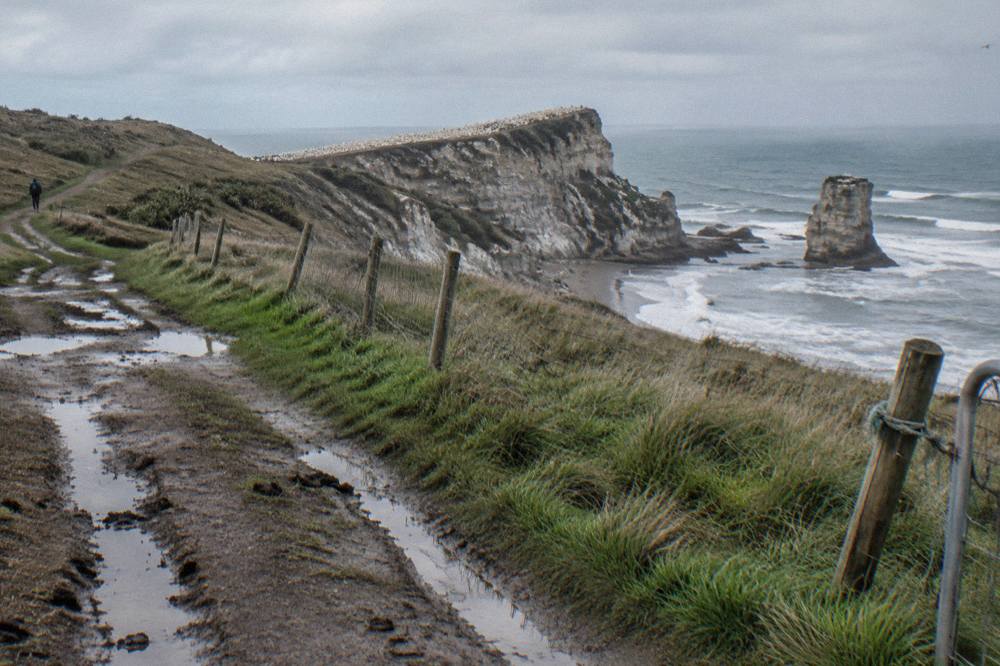
There is no dog-friendly vantage point tucked away at the edge of the colony, and no "dog on lead between these hours" arrangement. The restriction is total, year round, and it applies to the 19 km beach walk from Clifton just as it applies to the fenced plateau above the cliffs. A walker with a dog at Scotmans Point is already at the start of a route where dogs are prohibited, and the beach itself sits below cliffs with an active landslide hazard, which is its own separate reason to plan carefully before setting out. The Cape Kidnappers walk guide covers that route in detail for anyone weighing it up on two good legs and without a pet.
For a reader whose heart is set on seeing the gannets, the practical answer is to split the day: kennel or leave the dog for the tour window, and see the colony with the operator that runs the plateau trips. The standard options look like this:
| Tour | Price basis | Duration | Start point | Dog policy |
|---|---|---|---|---|
| 3-Hour Tour, Meet at Base | From $56.23 per person | 3 hours approx. | 396 Clifton Road, Te Awanga | Dogs not permitted, wildlife sanctuary |
| 3-Hour Tour, Lowest Price | From $55.00 per person | 3 hours | 396 Clifton Road, Te Awanga | Dogs not permitted, wildlife sanctuary |
| 4-Hour Shore Excursion, 45-Minute Stop | From $95.42 per person | 4 hours, 45 minutes at the colony | 100 Marine Parade, Napier | Dogs not permitted, wildlife sanctuary |
Why Are Dogs Banned From The Gannet Reserve?
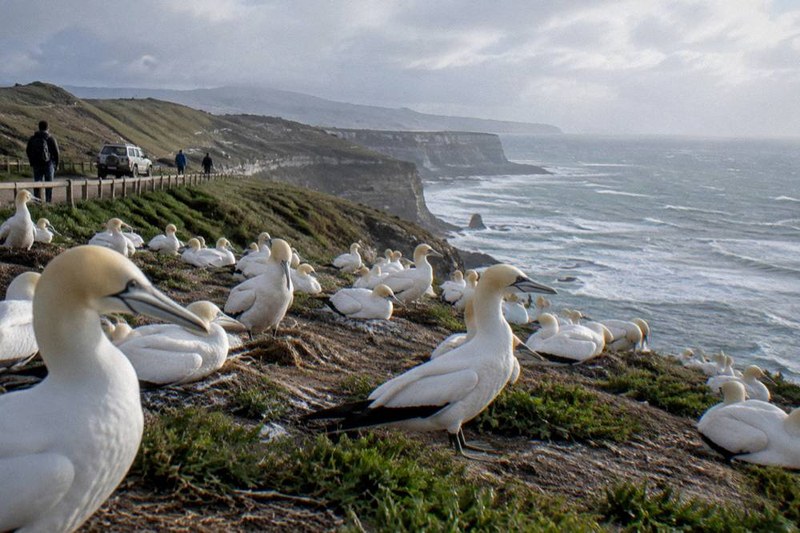
The ban protects roughly 6,500 pairs of Australasian gannets, which DOC describes as the largest and most accessible mainland gannet colony in the world. Gannets nest on the ground, and ground-nesting seabirds read any dog, on or off a lead, as a predator. A single disturbance can flush adults off eggs or chicks, expose them to sun and cold, and trigger colony-wide panic that lasts far longer than the dog's presence.
The biology explains why DOC does not soften the rule for small, quiet or elderly dogs. A gannet pair lays a single egg, and both parents incubate it on their webbed feet rather than in a sturdy nest off the ground. Pairs stay together over many seasons and return to the same patch of colony, so a disturbance event does not just cost one chick, it can cost a pair's entire breeding year.
Dogs do not need to touch a bird to do harm. DOC's guidance notes that nesting birds dislike loud noises and fast movement. Predators are the central threat this colony is managed against: Cape Kidnappers Station is a working farm of roughly 2,500 hectares with a predator-proof fenced conservation area, and the fence exists precisely to keep introduced mammals away from the birds. Admitting dogs through the gate, even briefly, would undercut the whole design.
Is the reserve dog free in practice, or just on paper? That is a reason for visitors to follow the rule voluntarily rather than a loophole to exploit. The same logic sits behind the other prohibitions at the cape: no horses, no vehicles off the beach, no fires or camping, keep behind barriers or at least five metres from nesting gannets, and keep to the track through private land. Drones are also restricted; a DOC permit is required to fly one over conservation land.
Are Service Animals Allowed On The Gannet Tours?
Yes, with limits. The meet-at-base 3-hour tour allows service animals. The private 4-hour tour also lists service animals as allowed. Not every tour states a service animal policy, so check the specific product before you book rather than assuming the rule carries across.
The distinction matters legally and practically. Getting on and off the 4WD vehicle unaided is the other practical requirement the operator applies to all guests.
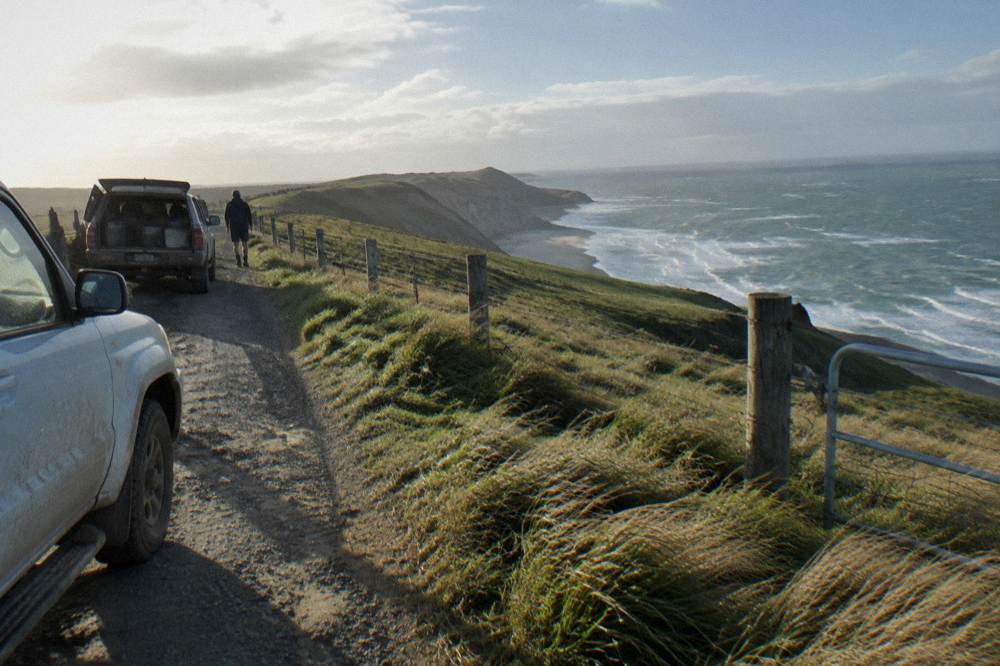
If you travel with a service animal, book by asking first rather than arriving on the day. The tours covered here all offer free cancellation up to 24 hours before start, which gives room to sort the details in advance without risk. And if the answer for a particular departure is no, the operator can sometimes suggest alternatives, since the plateau is flat ground with bench seats and everything can be seen from the vehicle without getting out, which opens options for visitors with limited mobility. The dedicated gannet tour fitness guide works through what the trip physically demands.
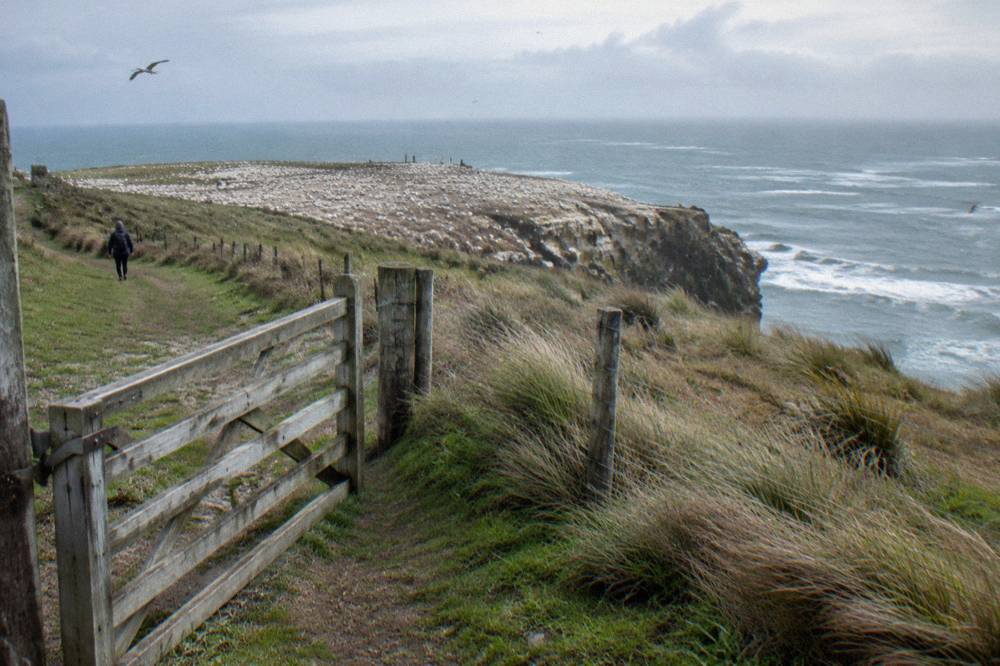
What Dog Rules Apply On The Beach Walk From Clifton?
The same total ban applies. Dogs are not allowed in the Cape Kidnappers Gannet Protection Reserve. There is no dog-friendly section, no lead-only stretch and no seasonal exception, and DOC's safety advice for the route is aimed at well-prepared walkers.
The walk itself is serious. It is 19 km return, graded Expert, and DOC says to allow at least 5 hours for a comfortable return trip. The first nesting site, Black Reef, sits 7.5 km from Clifton, and a steep, rough, muddy climb of about 1 km leads on from there toward the second colony. Timing is everything: the beach walk is possible only around low tide, high tides and big seas block the beach, you must leave the Cape no later than 1.5 hours after low tide, and you should check the tide table before going. None of that pairs well with a dog even before the ban enters the picture.
- Standard Overland Gannet Tours$55
- Cruise Shore Excursions$93
- Private And Sunrise Tours$604 per group
There are further reasons a dog owner should not attempt it. About 7 km of the beach lies under cliffs subject to significant landslide activity; a landslide seriously injured two tourists in January 2019 and another large landslide in February 2020 closed the beach for a time, and DOC reports large landslides every year. The area is also susceptible to tsunami, and a siren or alert means moving to higher ground immediately. Dogs slow an evacuation and panic in exactly the situations the route punishes. The Cape Kidnappers tide times guide covers the planning side, and the can you walk to the gannet colony post answers the access question in full.
Access logistics changed recently for walkers and bike riders: Clifton Motor Camp was closed in February 2026 after a geotechnical assessment found unstable land above it and permanently closed in July 2026, and in August 2026 Hastings District Council voted to close a section of Clifton Road to vehicles at the former campground. Pedestrian access to Clifton Beach and the walking route stays open. This does not affect the overland tours, which start from the operator's base at 396 Clifton Road.
Can You See Gannets Anywhere At Cape Kidnappers With A Dog Nearby?
No, and the answer is to keep the dog away from the whole cape. The land around the colony is DOC reserve, private farmland or both, and the same wildlife rules apply across it. A dog left in the car park at the operator's base is not a work-around either, since New Zealand heat makes that unsafe for much of the season.
Split the day instead. The overland tours are compact: the standard trips run about 3 hours from the base at Te Awanga, which is about a 25 minute drive from Napier, and the same again from Hastings and Havelock North. A morning tour with the dog booked into day care or left with a travel companion at the accommodation leaves an afternoon for Hawke's Bay's genuinely dog-welcoming side, the river trails, the parks and the beaches outside the reserve network. Napier itself is a compact city that rewards a walking afternoon, and the what to do in Napier with a gannet colony tour post maps out how the day fits together.
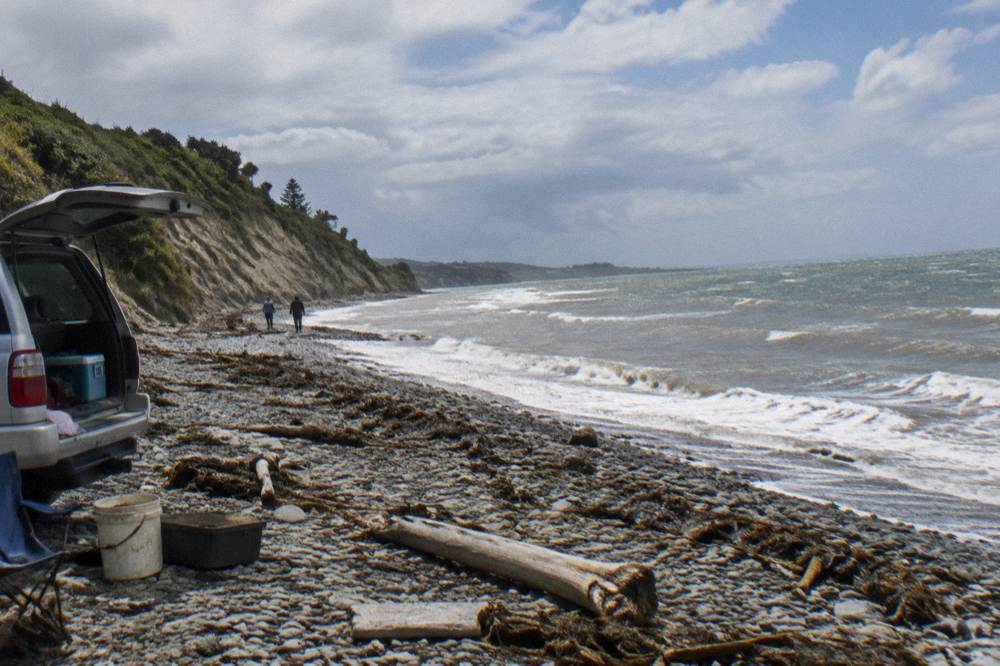
The 3-Hour Tour, Lowest Price meets at 396 Clifton Road, Te Awanga, with light refreshments included and no walking required, though a jacket is advised. Hotel pickup is an optional extra on the meet-at-base 3-hour tour, chosen at booking. It runs from $55.00 per person and carries a 4.8 rating across 378 reviews, with light refreshments included and the operator's advice that a jacket is worth bringing. Walking is not required if you would rather stay in the vehicle, which suits anyone whose dog arrangement has eaten into the schedule. Its live tour page shows current dates and departure windows.
For groups who want the colony to themselves, the private 4-hour option runs from $704.30 per group of up to four, with coffee or tea and 45 minutes at the colony per the itinerary. It is priced per group rather than per person, so it suits a family or a party of friends dividing the fare among themselves. As with every option, dogs stay behind; the private format changes the vehicle and the schedule, not the sanctuary rules.
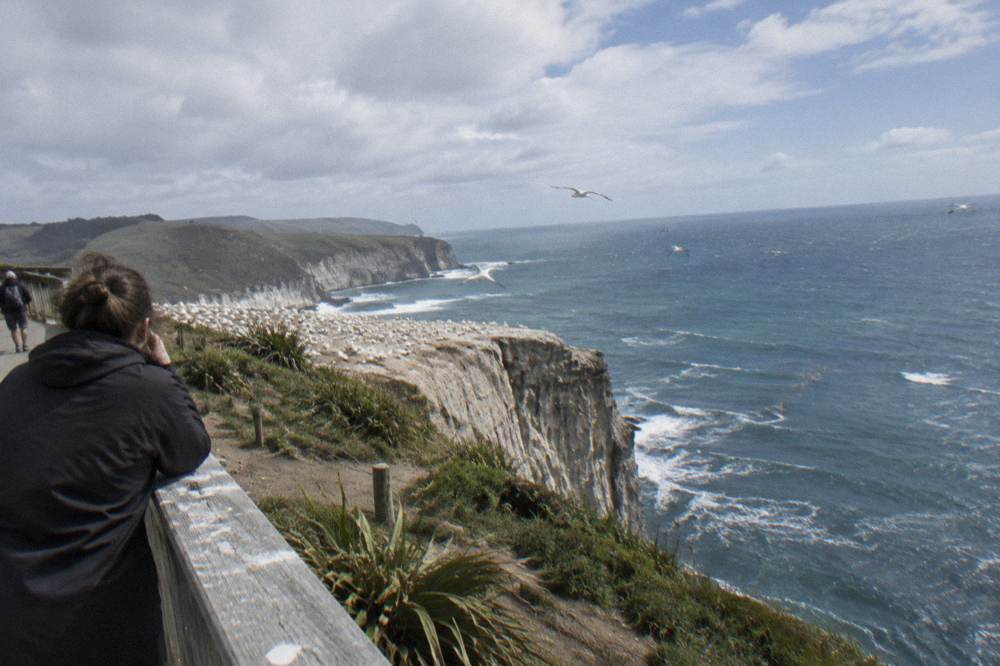
Where Can You Leave A Dog While You Take A Gannet Tour?
Service animals are allowed on the 3-Hour Tour, Meet at Base ($56.23 per person), which meets at 396 Clifton Road in Te Awanga. Hotel pickup is an optional add-on if you would rather not drive out yourself. The tour runs about 3 hours, and the base sits about 25 minutes from Napier.
The operator's base at 396 Clifton Road, Te Awanga, has a large off-road car park with room for several motorhomes, which answers a question motorhome travellers with dogs often ask, but a car park is not a kennel and a vehicle is not safe for a dog on a warm Hawke's Bay day, even with windows down. Treat the parking as parking. Book the dog into care for the full block instead: tours run from 1 August to 30 April, which spans the hottest months of the year, and the best viewing window runs early November to late February, precisely when leaving an animal in a car is most dangerous.
Ask three questions when you arrange care. First, can the provider take the dog for a half-day rather than a full one, since the tour window is short. Second, how close are they to your accommodation or to Te Awanga, because a provider across the region can turn a 3-hour tour into a 6-hour round trip. Third, what vaccination or registration records do they need, since New Zealand day kennels typically require current vaccinations and will refuse entry without them. Sorting this the week before arrival beats solving it in the car park on the morning of the tour.
The cruise case is simpler and harsher: passengers cannot walk out of the port at all, a shuttle runs to the Napier i-SITE and the National Aquarium, and taxis cannot enter the port, so a dog is not a realistic companion on a shore day in Napier in any case. The two shore excursions, one from $95.42 per person and the 4WD version from $93.00 per person, both meet at 100 Marine Parade, and both run about 4 hours, which is worth checking against the ship's all-aboard time before booking.
Is There Any Dog-Friendly Way To Enjoy Cape Kidnappers?
Not inside the reserve, but the drive out is a pleasant outing in itself. The road from Napier to Clifton runs about 25 minutes through Te Awanga's wine country and coastal farmland, and views of the cape's cliffs appear from public roads before you reach restricted land. A dog can ride along for the scenery and simply miss the colony itself.
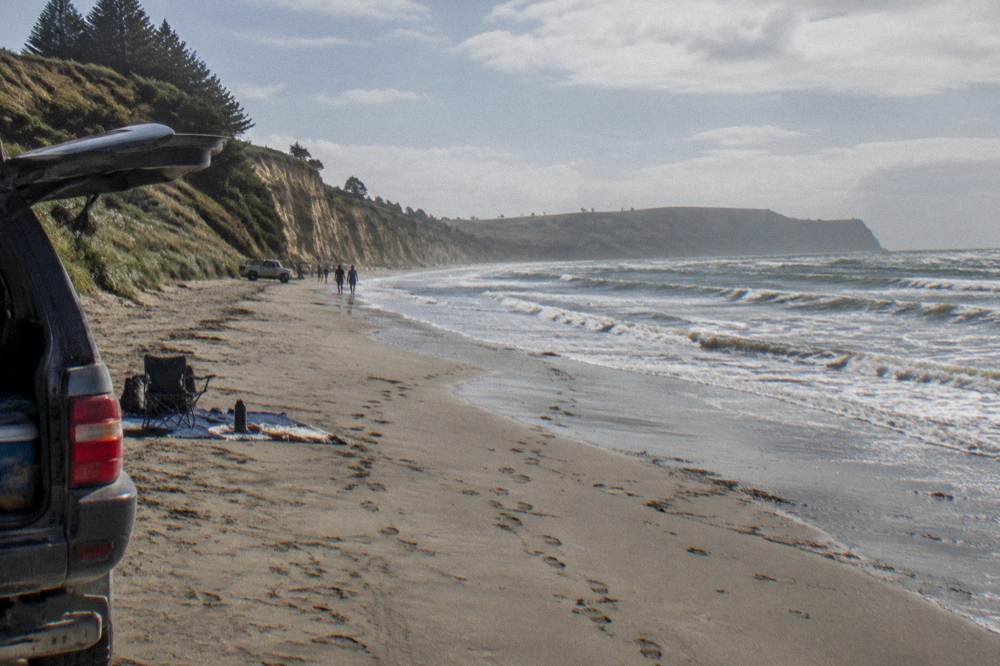
Be realistic about what that achieves. The gannets are the destination, and they are visible only from within the reserve or from its immediate approaches, not from a public lookout with a car park. There is no dog-friendly compromise where you stand at a fence and see the colony. What the region offers instead is a generous menu of dog-welcome alternatives: Hawke's Bay's cycle trails, its riverside reserves, and the parts of its coastline outside the conservation network. Local information centres can point to the current dog-exercise areas, which change with the seasons and with wildlife protections.
If the gannets are the priority, and for most visitors they are, the clean solution is the one this site exists to explain: a Napier Gannet Tour booked for the humans, a kennel or minder for the dog, and the rest of the day spent together on Hawke's Bay's ordinary, dog-tolerant ground. The private 4-hour format from $704.30 per group of up to four suits families splitting the cost, while the per-person tours from $55.00 and $56.23 suit solo travellers and couples. All three carry free cancellation up to 24 hours before start, so a kennel booking that falls through does not have to cost the tour as well.
One last angle worth naming: the youngest member of the family is no exception to any of this, and neither is the smallest. Dogs are not allowed on the tours. Service animals are allowed on the $56.23 per person overland tour that meets at 396 Clifton Road. Plan the dog's day at the same time you plan the tour. DOC puts the colony at 6,500 pairs of gannets; the land around it is a working farm and a sanctuary kept free of the animals that would unsettle it. More background on the birds themselves sits in the Australasian gannet guide, including the young birds' 2,800 km Tasman Sea crossing to Australia and their return two to three years later.
Common Questions About Dogs At Cape Kidnappers
Can You Bring A Dog To Cape Kidnappers?
No. Dogs are prohibited throughout the Cape Kidnappers / Te Kauwae-a-Maui Gannet Reserve and are not carried on the overland tours, which cross a predator-fenced wildlife sanctuary. Arrange day care or a minder for the tour window.
Are Dogs Allowed On The Cape Kidnappers Beach Walk?
No. The 19 km return walk from Clifton runs inside the DOC reserve and dogs are banned along its entire length. DOC grades the track Expert and advises allowing at least 5 hours, and the route is only walkable around low tide.
Can I Leave My Dog In The Car At The Tour Base?
The operator's base at 396 Clifton Road has a large off-road car park with room for several motorhomes, but a vehicle is not a safe place for a dog on a warm day, and tours run from 1 August to 30 April, spanning the hottest months. Book care instead.
Are Service Animals Allowed On The Gannet Tours?
The two 3-hour tours from the base and the private 4-hour tour state that service animals are allowed. Confirm with the operator at booking, since not every tour states a policy, and the sanctuary rules still shape what is workable on the day.
Why Are Dogs Such A Problem For Gannets?
Gannets nest on the ground and lay a single egg, incubated on the parents' webbed feet. A dog on or off a lead reads as a predator, and a flushed adult leaves the egg or chick exposed with no second chance that season. DOC's rules keep all dogs out to protect the 6,500 pairs.
What Should I Do With My Dog While I Take A Gannet Tour?
Split the day. Book the dog into day care or leave it with a travel companion at your accommodation, then take the standard 3-hour tour from the base at Te Awanga, about a 25 minute drive from Napier. Free cancellation up to 24 hours before start gives you room to arrange care without risk.