Cape Kidnappers Tide Times: Planning The Beach Approach
The tide decides whether the beach route to the Cape Kidnappers gannet colony is open at all. Here is how the timing works, the safe forms of the rules, and the tour option that ignores the tide table completely.
Short answer
The Cape Kidnappers beach walk is possible only around low tide, high tides and big seas block the beach, and walkers must leave the Cape no later than 1.5 hours after low tide. The overland gannet tours travel above the cliff tops and are not governed by the tides, so they run on their own schedule from $56.23 per person.
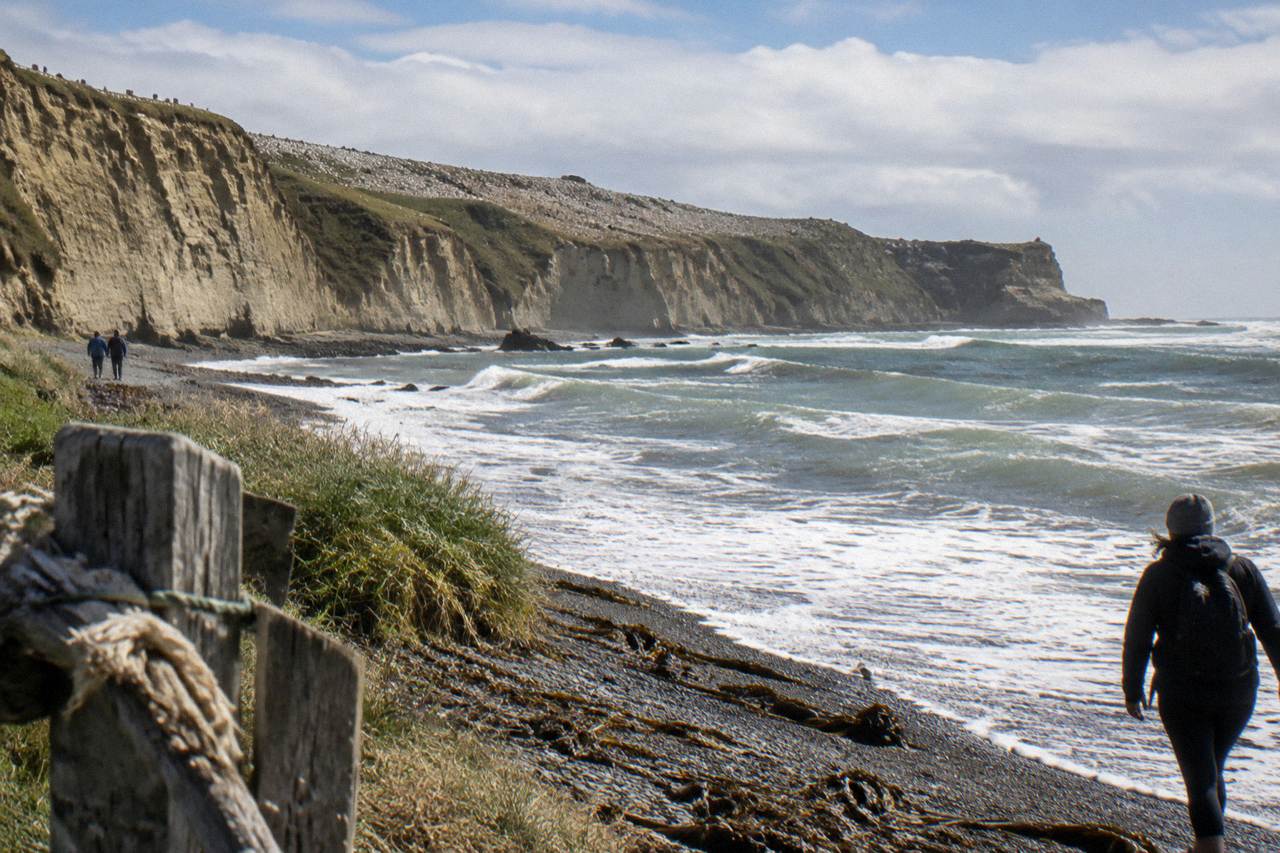
The road to Cape Kidnappers ends at Clifton, and from there the sea takes over. For roughly 19 kilometres of coastline between Clifton and the gannet colonies, the beach itself is the track, and the tide decides whether that track exists. Two hours of bad timing can turn a comfortable walk into a dangerous one, which is why DOC grades the route Expert and repeats the same advice on every page about it: the beach walk is possible only around low tide, high tides and big seas block the beach, and you must check the tide table before going. Once the tide times are sorted, the guide to everything to do at Cape Kidnappers covers the overland tour alternative, cycling, and the other wildlife along the shore.
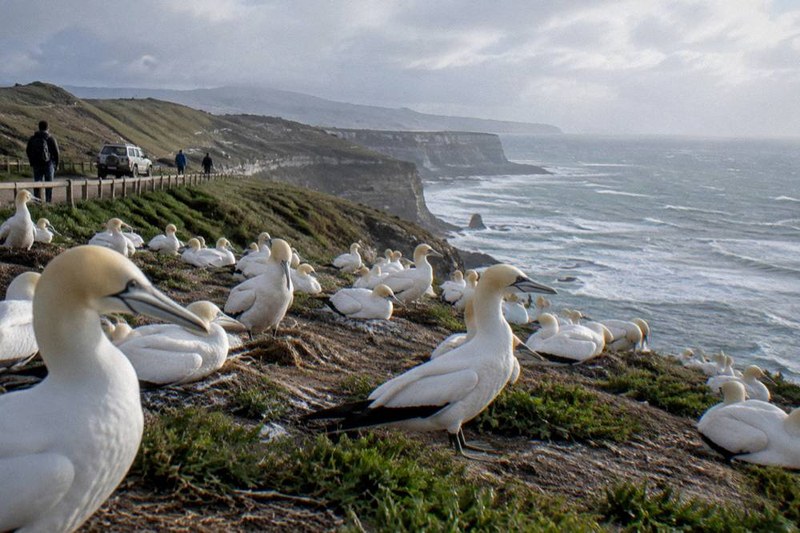
There is another way to see the colony that never looks at a tide table. Gannet Safaris Overland runs 4WD tours across a working farm and native bush to a privately owned nature reserve above the cliffs, and the operator says these overland tours are not governed by the tides because they travel above the cliff tops. This page explains both sides of that choice: how the tide rules the beach route, and how the overland option sidesteps the whole calculation. For background on the colony itself, see the Census Of Gannets At Cape Kidnappers.
Do Tide Times Affect The Cape Kidnappers Gannet Tours?
Tide times affect the beach walk and the beach-based rides, but not the overland gannet tours. The operator says the overland tours are not governed by the tides because they travel above the cliff tops on private farmland, so their departures are set by the season, not by the sea. Only the self powered beach route answers to the tide table.
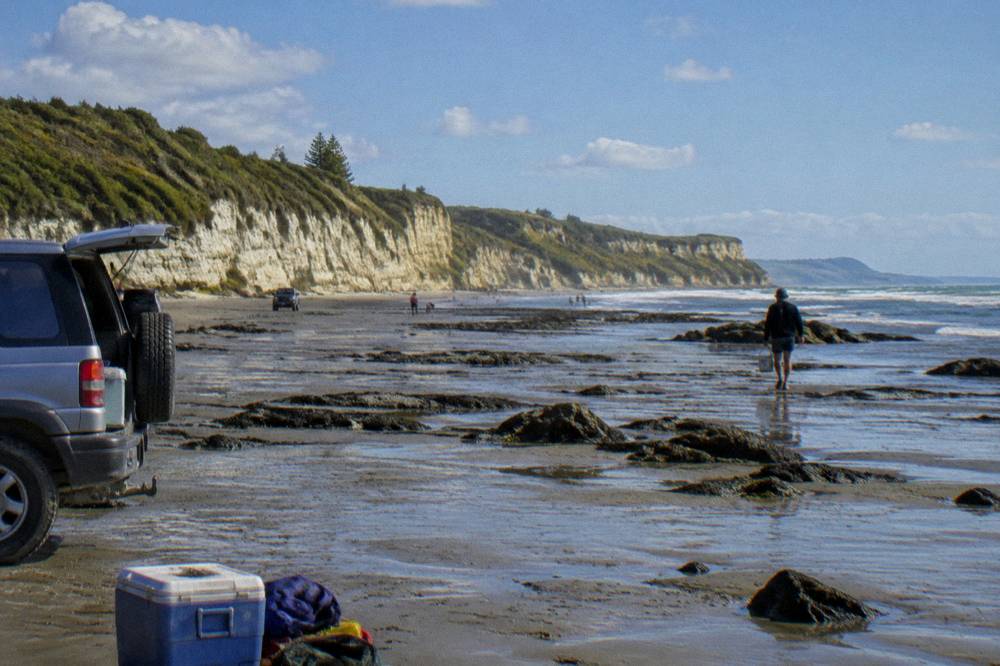
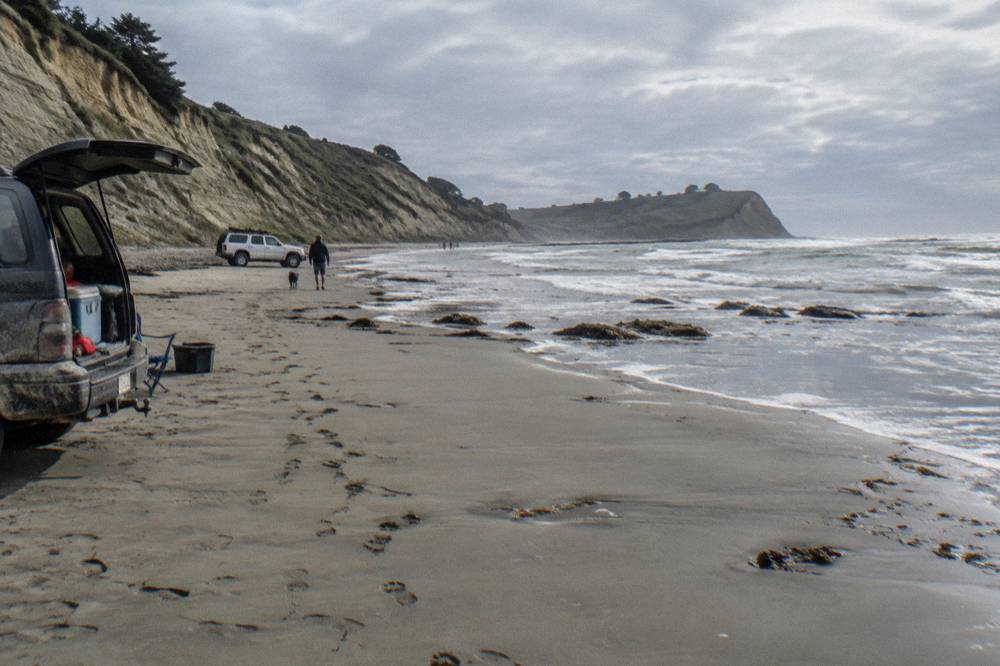
The distinction matters because Cape Kidnappers can be approached from two directions. From below, the beach from Clifton is a public route along the base of the cliffs, and the sea owns it. DOC is blunt about this: the walk is possible only around low tide, and high tides and big seas block the beach entirely. From above, the overland route climbs onto Cape Kidnappers Station, a working farm of roughly 2,500 hectares with a predator-proof fenced conservation area, and reaches the Plateau colony without ever touching the shoreline. Dog owners weighing either route should check whether dogs are allowed at Cape Kidnappers, since the reserve and the overland tours both prohibit pets.
That is why the tour question and the tide question are really one question. If you plan to walk, the tide table is the first thing you open, before boots, before transport, before anything else. If you plan to take an overland tour, the operator's schedule is the only clock that matters, and the sea can do what it likes below. The tide also shapes the beach alternatives: Gannet Beach Adventures has run a separate tide-dependent tractor-trailer ride along the beach from Clifton, and readers should check its own site for whether and when it operates.
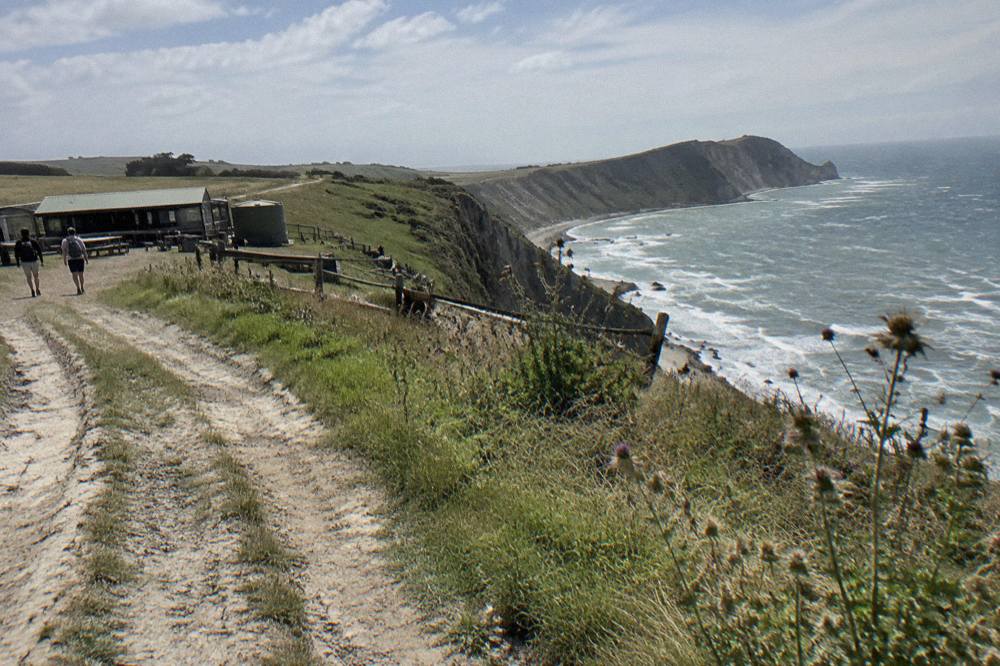
For a walker, the practical summary is short and unforgiving. Plan the whole day around one number, the time of low tide, and treat everything else as secondary. The sections below set out the rules in the safe forms DOC uses, then explain the tour options that make the calculation unnecessary.
Why Do Tide Times Decide The Cape Kidnappers Beach Walk?
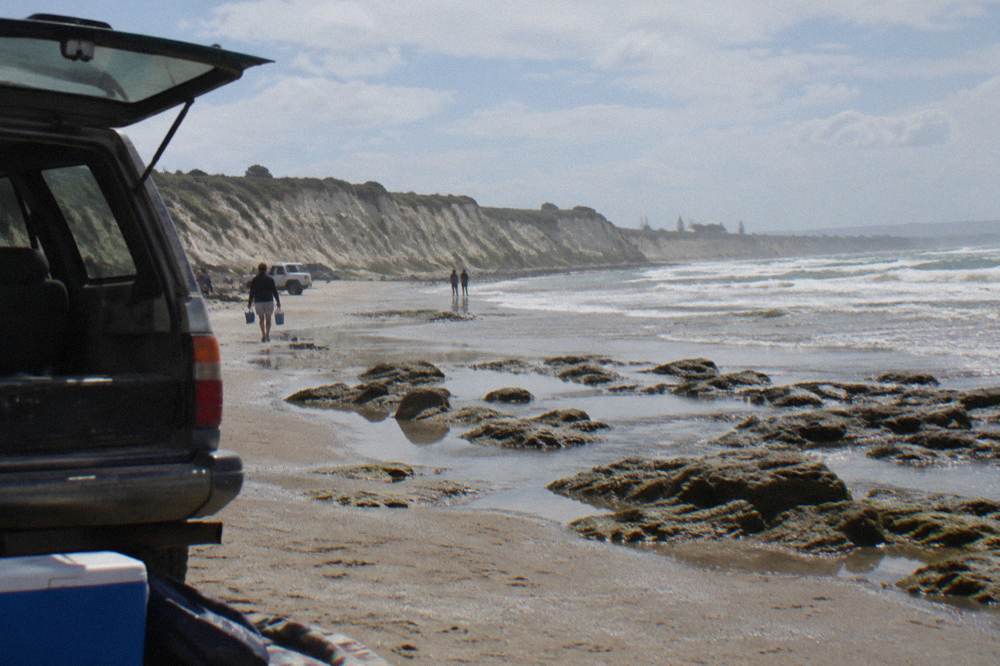
The walk runs along the beach itself beneath cliffs for much of its length, so the sea can cover the only route. About 7 km of the beach lies under cliffs subject to significant landslide and rockfall, and there is no alternative path above. When the tide fills the beach, the track is simply gone, which is why the walk is possible only around low tide and why leaving late is the main hazard.
The numbers explain the seriousness. The route starts at Clifton, Scotmans Point, 21 km south of Napier and 18 km east of Hastings, and covers 19 km return, graded Expert. DOC says to allow at least 5 hours for a comfortable return walk. Black Reef, the first nesting site, sits 7.5 km from Clifton, and a steep, rough, muddy climb of about 1 km leads on to the second colony. At a steady pace, the outgoing leg can take the better part of a morning, which means the tide window has to absorb the whole return journey, not just the outbound half.
- Standard Overland Gannet Tours$55
- Cruise Shore Excursions$93
- Private And Sunrise Tours$604 per group
DOC's recorded history underlines why the timing is not a formality. A landslide seriously injured two tourists in January 2019, and another large landslide in February 2020 closed the beach before the track reopened. DOC says the status of the track can change at any time and asks walkers to check the safety alert on its page before setting out. Large landslides occur every year, and the cliff sections are exactly where the tide leaves no escape upward. More detail on that hazard sits in the Cape Kidnappers walk guide.
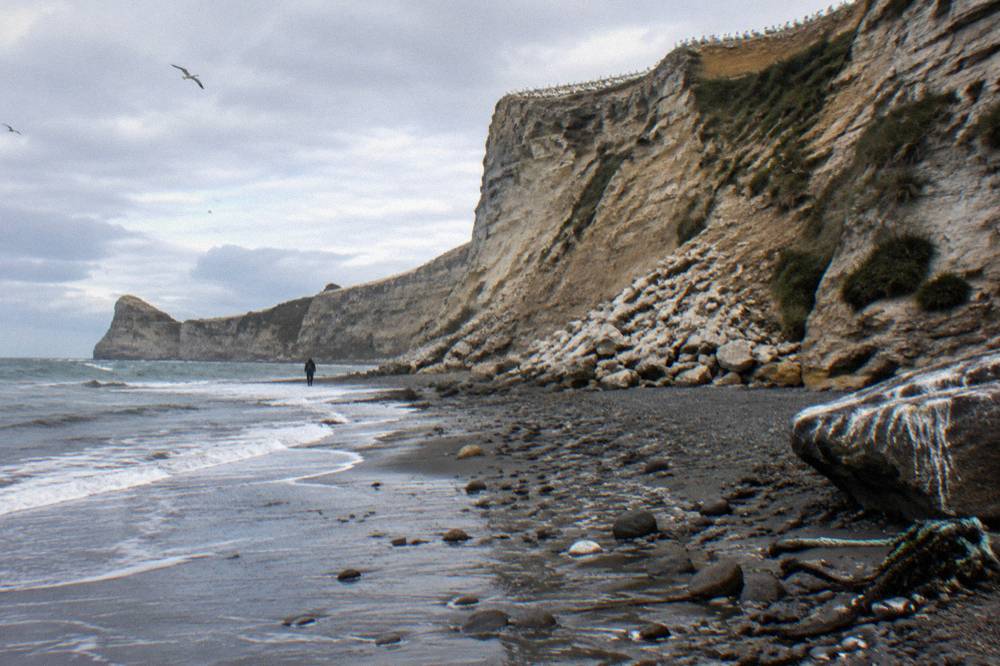
The rule set that survives every version of DOC's advice is small and worth memorising verbatim:
| Tide rule for the Cape Kidnappers beach walk | What it means in practice |
|---|---|
| The walk is possible only around low tide | Pick your day by the low tide time, not the weather alone |
| High tides and big seas block the beach | Swell matters as much as the tide; big seas can close the route even near low water |
| Leave the Cape no later than 1.5 hours after low tide | Time the turnaround at the colonies from the low tide, then walk out |
| Check the tide table before going | Do this before you leave Napier or Hastings, not at the beach |
How Do You Check The Cape Kidnappers Tide Table?
Look up the tide forecast for Hawke's Bay before you leave home, and read it together with the marine forecast, because swell can close the beach even when the tide itself looks fine. DOC gives no tide times: tides shift every day, so any fixed table would be wrong within a week. Check an official tide table for the day you go. The official tide table and the DOC safety alert are the two things to open the night before.
The habit that works is to plan backward from the low tide. If low water falls early enough in the morning, the whole 5 hour allowance fits comfortably before mid afternoon. If it falls near midday, you are walking out in the heat of the day and later into the rising tide, and the 1.5 hour leaving rule starts to feel tight. If it falls in the evening, the day is effectively written off for walking, and the overland tour becomes the practical option for seeing gannets.
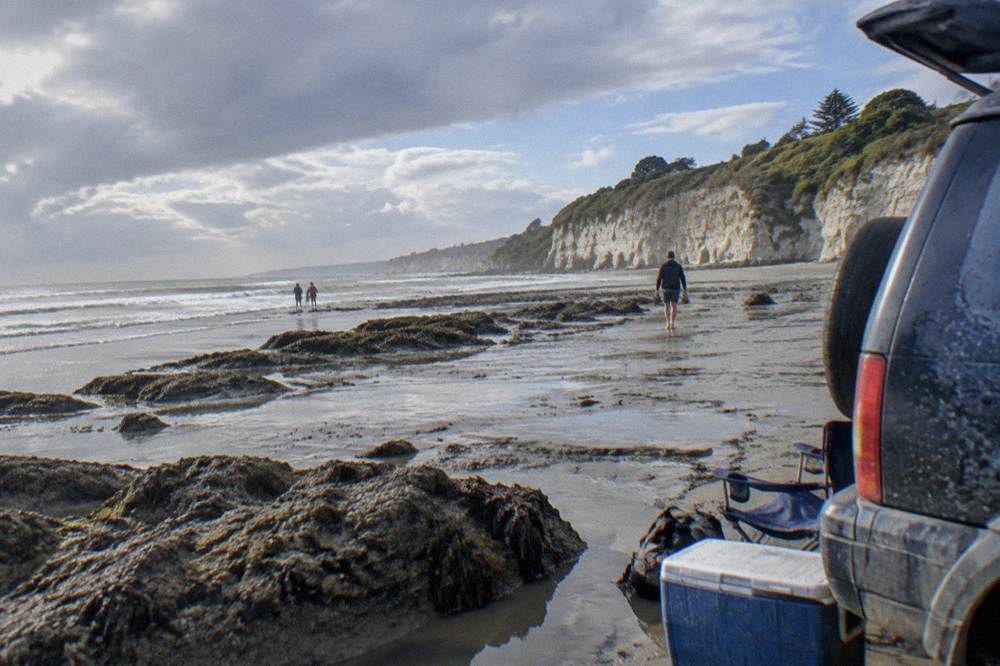
A few physical realities sit alongside the tide. There is a DOC rest shelter with toilets a short way up the track from the beach end, but no drinking water, so carry your own. DOC's kit list for the walk is sturdy footwear, food and water, sunscreen and hats, extra clothing for cool sea breezes, a water and windproof jacket, gloves, a head torch and a communication device. The area is also susceptible to tsunami: a siren or alert means move to higher ground immediately. Rules on the reserve are firm, too: no dogs or horses, no fires or camping, keep behind barriers or at least five metres from nesting gannets, and drones on conservation land need a DOC permit.
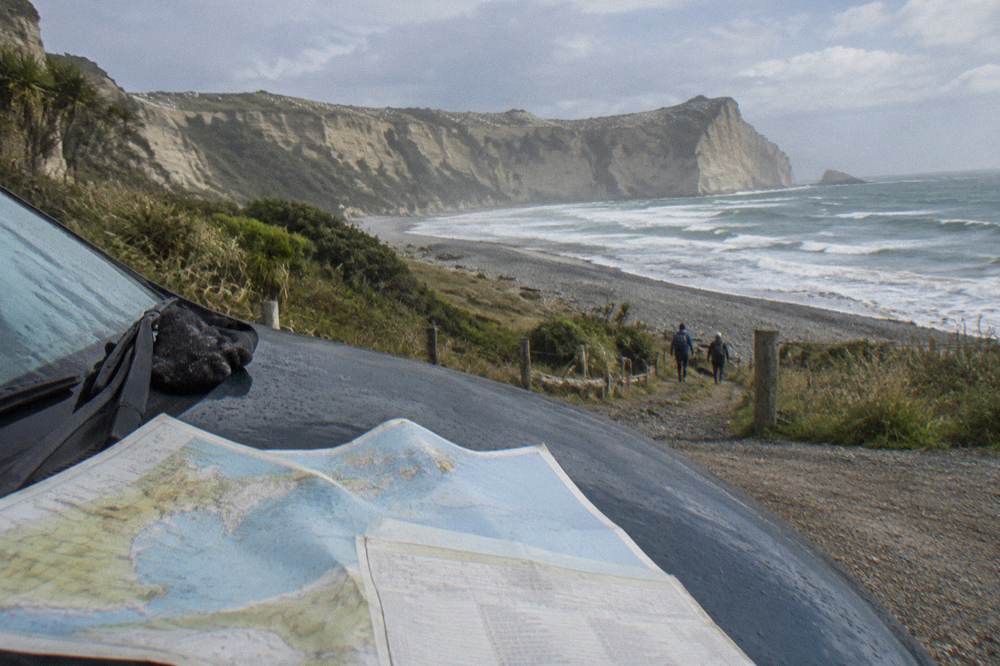
Condensed, the walker's checklist looks like this:
| Before the walk | Check or pack |
|---|---|
| Night before | Tide table, marine forecast, DOC safety alert and track status |
| Route plan | Low tide time, turnaround deadline, start time from Clifton |
| Kit | Sturdy footwear, food and water, hat, sunscreen, jacket, gloves, head torch |
| At the beach | Council signage for unstable cliff activity, reserve rules, no dogs |
If reading all of that makes the beach sound like a commitment, that is the conclusion. It is a commitment, and one that begins with a tide table. The alternative needs none of it.
When Do You Have To Leave The Cape On The Walk?
The only leaving rule in the safe form is this: leave the Cape no later than 1.5 hours after low tide. Work backward from that moment using your own pace and DOC's 5 hour allowance for the full return trip, so you arrive at the colonies with time to watch and still start home inside the window. There is no separate outbound rule to follow.
The arithmetic is worth doing on paper. At 19 km return, allow at least 5 hours for a comfortable walk. From Clifton the beach stretch runs about 7.5 km to Black Reef, and the climb from the shore up to the Plateau colony viewpoint is a steep, rough kilometre. Walk only around low tide, and leave the Cape no later than 1.5 hours after low tide, so your start time from Clifton follows the tide, not the clock. That early start also puts the best light on the birds and keeps the cliff sections behind you before the sea returns.
Two colonies sit along the way, and the second is the harder reach. Black Reef is 7.5 km from Clifton, and close-up views of nesting gannets are possible there and at the Plateau colony, which DOC calls the best viewing spot and which sits on private land. The steep, muddy 1 km climb between them is the slowest part of the route, and walkers who misjudge it are the ones who cut the Cape visit short. The fuller route description, including that climb, is in how long the Cape Kidnappers walk takes.
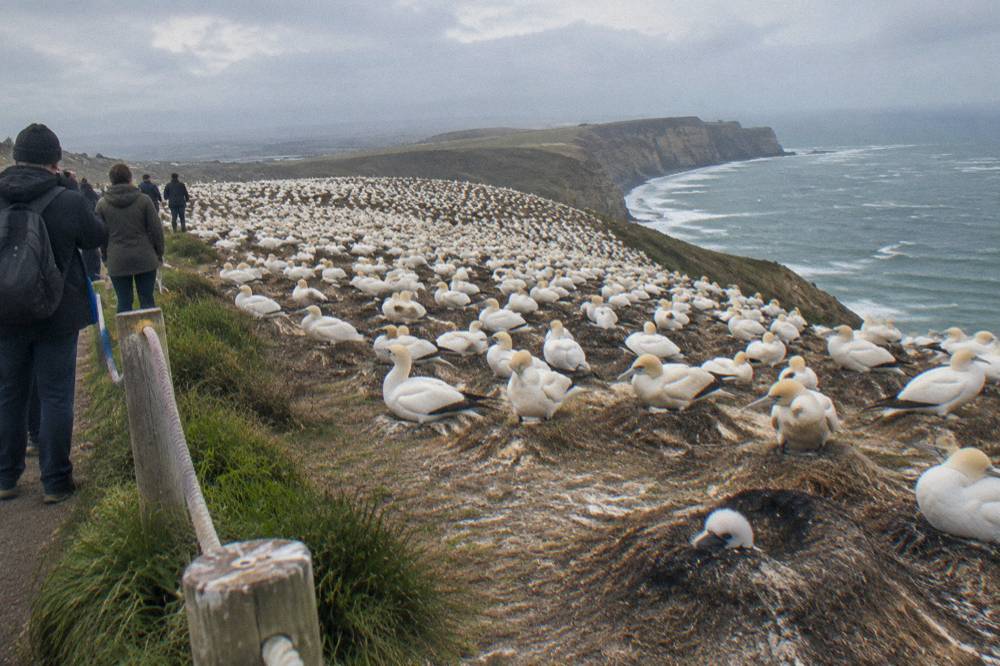
The overland tour answers the same question with a different clock. The "3-Hour Tour, Meet at Base" from Gannet Safaris Overland runs about 3 hours total from the base at 396 Clifton Road, Te Awanga, is rated 4.9 across 1,052 reviews, and costs from $56.23 per person, with hotel pickup available as an optional add-on at booking. Tea, coffee and a biscuit are served at the colony. Read more in the Gannet Safaris Overland tour review, or Check availability.
Are The Overland Gannet Tours Affected By Tides?
No. The operator says the overland tours are not governed by the tides because they travel above the cliff tops, crossing private farmland rather than the beach. Departures follow the season, 1 August to 30 April, rather than the tide cycle, and the vehicle ride ends on flat ground with bench seats at the Plateau, where little or no walking is required.
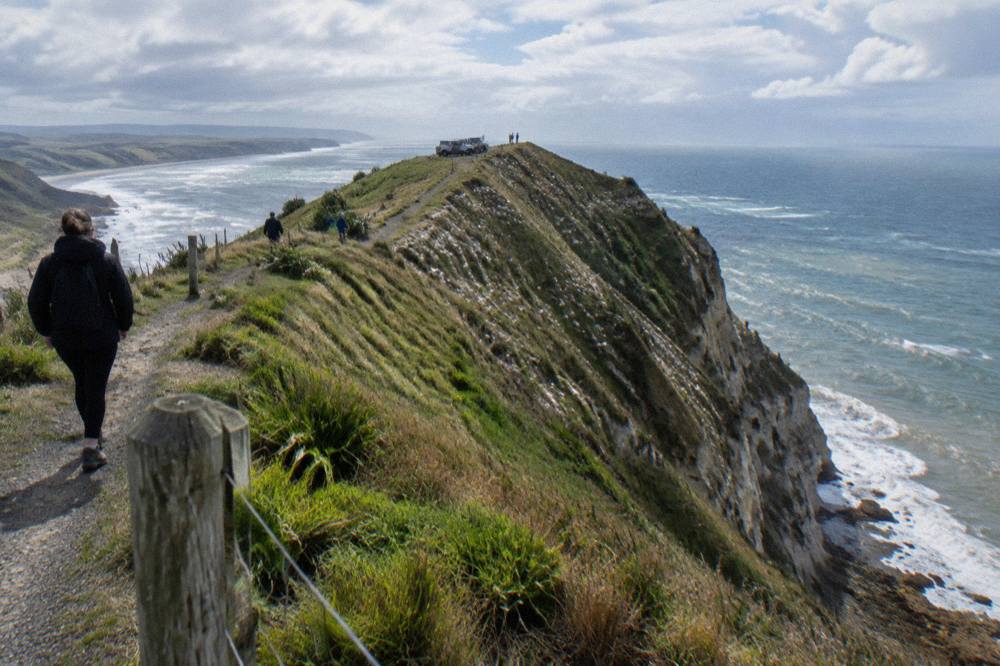
That last detail matters to a lot of travellers. The operator describes the plateau as flat ground with bench seats, says walking there is safe and easy, and says everything can also be seen from the vehicle without getting out. A guest only needs to be able to get on and off the vehicle unaided. The "3-Hour Tour, Lowest Price" version costs from $55.00 per person, is rated 4.8 across 378 reviews, needs no walking if you would rather not, and includes light refreshments. Those are the two cheapest options among the well reviewed tours here, at $56.23 from 1,052 reviews and $55.00 from 378 reviews respectively.
| Overland tour option | Price basis | Duration | Rating | Tide dependent? |
|---|---|---|---|---|
| 3-Hour Tour, Meet at Base | From $56.23 per person | 3 hours (approx.) | 4.9 across 1,052 reviews | No |
| 3-Hour Tour, Lowest Price | From $55.00 per person | 3 hours | 4.8 across 378 reviews | No |
| Private 4-Hour Tour | From $704.30 per group (up to 4) | 4 hours (approx.) | 5.0 from 11 reviews | No |
Practicalities worth knowing before you book: there are no toilets on the tour, and the last toilets are at the operator's base, which has good bathroom facilities. Dogs are not allowed, as the reserve is a wildlife sanctuary and a DOC reserve. The base at 396 Clifton Road, about a 25 minute drive from Napier, has a large off-road car park with room for several motorhomes. Free cancellation up to 24 hours before start applies across the tours covered here.
The timing choice therefore reduces to a simple fork. Want the expedition, the exercise and the tide table discipline? Walk, and follow the low tide rules exactly. Want the birds without the sea's schedule? Take an overland tour and spend the saved hours on something else in Napier.
What Else Can Close The Cape Kidnappers Beach?
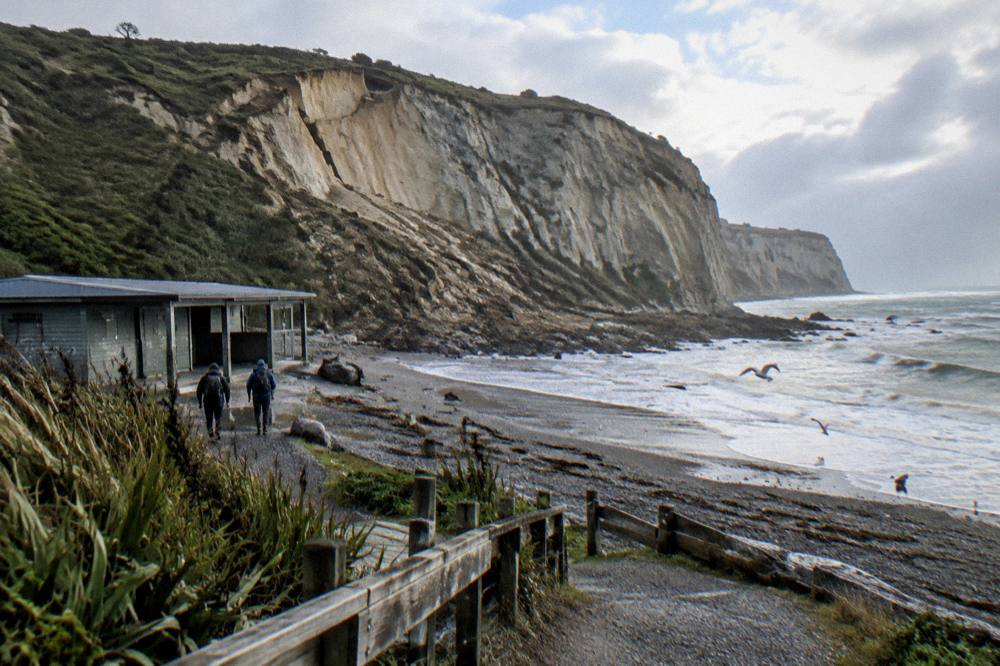
Beyond the tide, two things close the beach route: landslide hazard and the annual track closure. About 7 km of the beach lies under cliffs subject to significant landslide risk, and the track from the beach to the plateau colony is closed from July to the week before Labour Weekend each year to limit disturbance to returning birds. DOC says the track's status can change at any time.
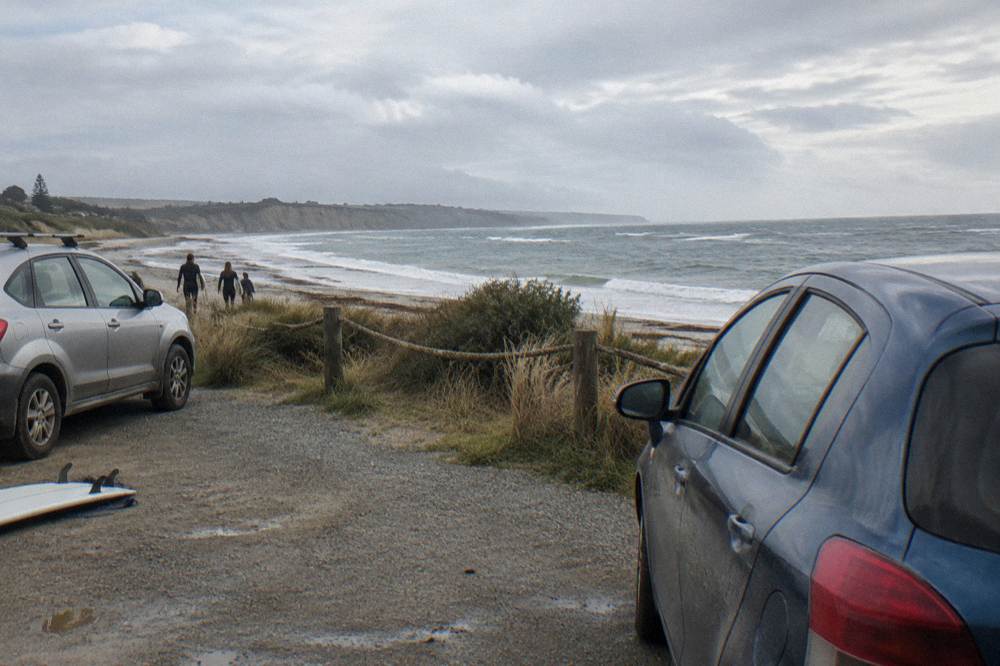
The landslide record is the reason DOC grades the walk Expert. Three serious injury landslide events have occurred in the past 50 years, large landslides happen every year, and the February 2020 event closed the beach before it reopened. Hastings District Council says Clifton beach is open but may close if there is unstable activity, and signage at the beach is the local word on the day. The closure history and current status questions are covered in is the Cape Kidnappers walk closed. Even when the beach route is open, it is not the only way in, and the guide to Cape Kidnappers access options explains how the free walk and a guided overland tour compare.
Access logistics changed recently for walkers and bike riders. Clifton Motor Camp closed on 20 February 2026 after a geotechnical assessment found unstable land above it, was permanently closed in July 2026, and in August 2026 Hastings District Council voted to close a section of Clifton Road at the former campground to vehicles. Pedestrian access to Clifton Beach and the walking route stays open. The operator base at 396 Clifton Road has not been reported as affected, and this matters to walkers and bike riders only.
None of these closures touch the overland route, which crosses private farmland rather than the beach. That is the quiet advantage of the tour option on an uncertain day: the hazards that pause the walk, tides, swell and cliff activity, sit below the cliffs, while the 4WD track sits above them. The season still applies, with tours running 1 August to 30 April, and best viewing from early November to late February.
Can Cruise Passengers Plan Around Tides At Cape Kidnappers?
Cruise passengers generally cannot, because the ship's schedule and the tide's schedule are fixed independently. The standard 3 hour tours are not for cruise passengers; the shore excursions are, and they run by road above the cliffs, so the tide is not a factor in reaching the colony. Check the ship's all-aboard time against the 4 hour length before booking.
The meeting point makes the shore logistics simple. The shore excursion meets at 100 Marine Parade, opposite Napier Museum and about 200 m from where the cruise shuttle drops at the Napier i-SITE, and passengers cannot walk out of the port, so the shuttle or the operator's collection is part of the plan. The "4-Hour Shore Excursion, 45-Minute Stop" costs from $95.42 per person, spends 45 minutes at the colony per the itinerary, carries up to 40 travellers, and includes coffee or tea. Free cancellation up to 24 hours before start applies. On some ship days the operator collects directly from the port because of short port times, and departure time is set per ship.
| Shore excursion | Price per person | Duration | Colony time | Meeting point |
|---|---|---|---|---|
| 4-Hour Shore Excursion, 45-Minute Stop | From $95.42 | 4 hours (approx.) | 45 minutes per itinerary | 100 Marine Parade, Napier |
| 4WD Safari Vehicle, 4 Hours | From $93.00 | 4 hours return from Napier | Check the booking page | Pink flag area by the Sound Shell, Napier |
The other shore option is the "4WD Safari Vehicle, 4 Hours" tour from $93.00 per person, meeting at the pink flag area in front of the Sound Shell next to the i-SITE, travelling roughly 25 minutes each way by coach and finishing with hot drinks. Cruise ships visit Napier from October to April, a window that sits inside the tour season and overlaps the best viewing months of early November to late February, so spring and summer calls arrive while the colony is active. More on that decision in the Napier shore excursion gannets guide.
The tide never enters the cruise equation for these tours, which is the whole point. A passenger with six hours ashore cannot gamble on a low tide lining up with the ship's window, and does not need to.
How Do Tides Shape A Full Hawke's Bay Gannet Day?
If you walk, the low tide time dictates the day's whole shape, from the start hour to the return. If you take an overland tour, the roughly 3 hour tour length leaves most of the day free, and visitors often pair the colony visit with Napier's Art Deco quarter, wineries, or Te Mata Peak, none of which answer to the sea.
That freedom is the real argument for the tour beyond comfort. The "3-Hour Tour, Meet at Base" and the "3-Hour Tour, Lowest Price" both occupy about 3 hours, so a morning colony visit leaves an afternoon for everything else Hawke's Bay does well. Travellers who want both the birds and the wine in one day can look at the "Private 7.5-Hour Winery Combo", which costs from $1,214.00 per group for up to 2, picks up from your accommodation about 8:30 am, returns by 4:00 pm, and travels in a luxury Range Rover.
Private options suit families and photographers who want the vehicle to themselves. The "Private 4-Hour Tour" costs from $704.30 per group for up to 4, runs about 4 hours with 45 minutes at the colony per the itinerary, and includes coffee or tea. Free cancellation up to 24 hours before start applies across these tours. When a private tour still takes only half a day, the tide table stops being the day's ruler and becomes a curiosity, relevant only to the people down on the gravel below.
The choice, restated one last time, is between two clocks. The sea's clock is strict, and it punishes guesswork. The operator's clock runs to a schedule you can read and book against, and Napier Gannet Tour exists to make that second clock easy to find. Whichever you choose, check the tide table and the DOC safety alert before you leave, because the coastline changes and the birds do not care which plan you made.
Common Questions About Cape Kidnappers Tide Times
Do Tide Times Affect The Cape Kidnappers Gannet Tours?
The overland gannet tours are not governed by the tides because they travel above the cliff tops on private farmland. Tide times affect only the beach walk and the tide-dependent beach tractor ride, which is a separate operation.
When Do You Have To Leave The Cape On The Beach Walk?
Leave the Cape no later than 1.5 hours after low tide, and check the tide table before going. The walk is 19 km return and DOC advises at least 5 hours, so plan your start from the low tide time.
Can The Beach Be Blocked Even At Low Tide?
Yes. High tides and big seas block the beach, and swell alone can close the route near low water. Check the marine forecast and the DOC safety alert alongside the tide table.
What Time Of Day Is Best For The Cape Kidnappers Walk?
Whatever time the low tide falls. A morning low tide fits DOC's 5 hour allowance most comfortably; an evening low tide usually rules the day out for walking, though the overland tours still run.
Are The Overland Tours Affected When The Beach Is Closed?
No. The overland route crosses private farmland above the cliffs, not the beach, so beach closures for tide, swell or landslide activity do not stop it. Tours run 1 August to 30 April.
Can Cruise Passengers Walk To The Gannet Colony Around The Tides?
Usually not, since the ship's schedule and the tide rarely align. The shore excursions travel by road above the cliffs and are not tide dependent; check the ship's all-aboard time against the 4 hour tour length.