
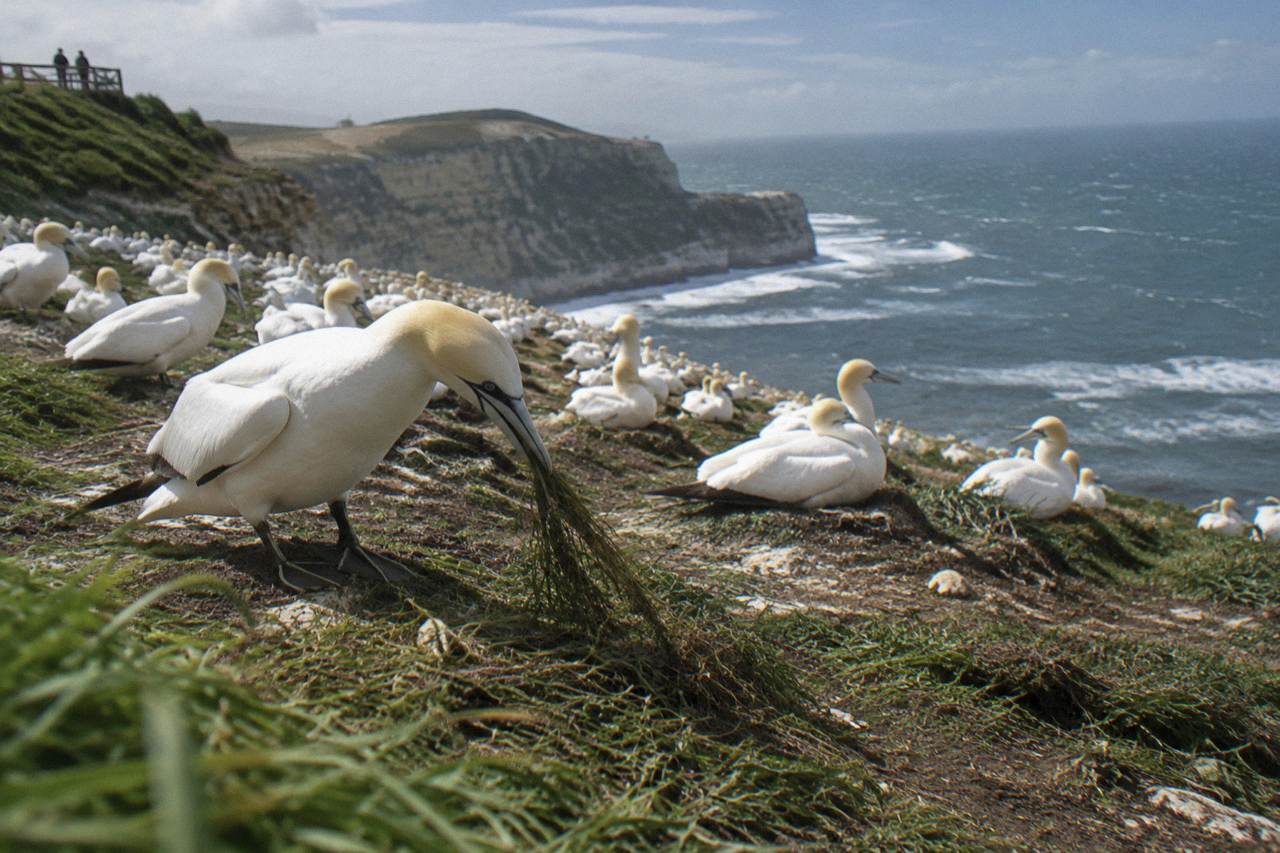
Are There Gannets In New Zealand?
Yes, New Zealand has gannets: the Australasian gannet nests at Cape Kidnappers near Napier, the largest and most accessible mainland colony in the world. Here is where, when and how to see them.
23 questions answered, from what the tour is like to which one suits you best.
Yes, New Zealand has gannets: the Australasian gannet nests at Cape Kidnappers near Napier, the largest and most accessible mainland colony in the world. Here is where, when and how to see them.
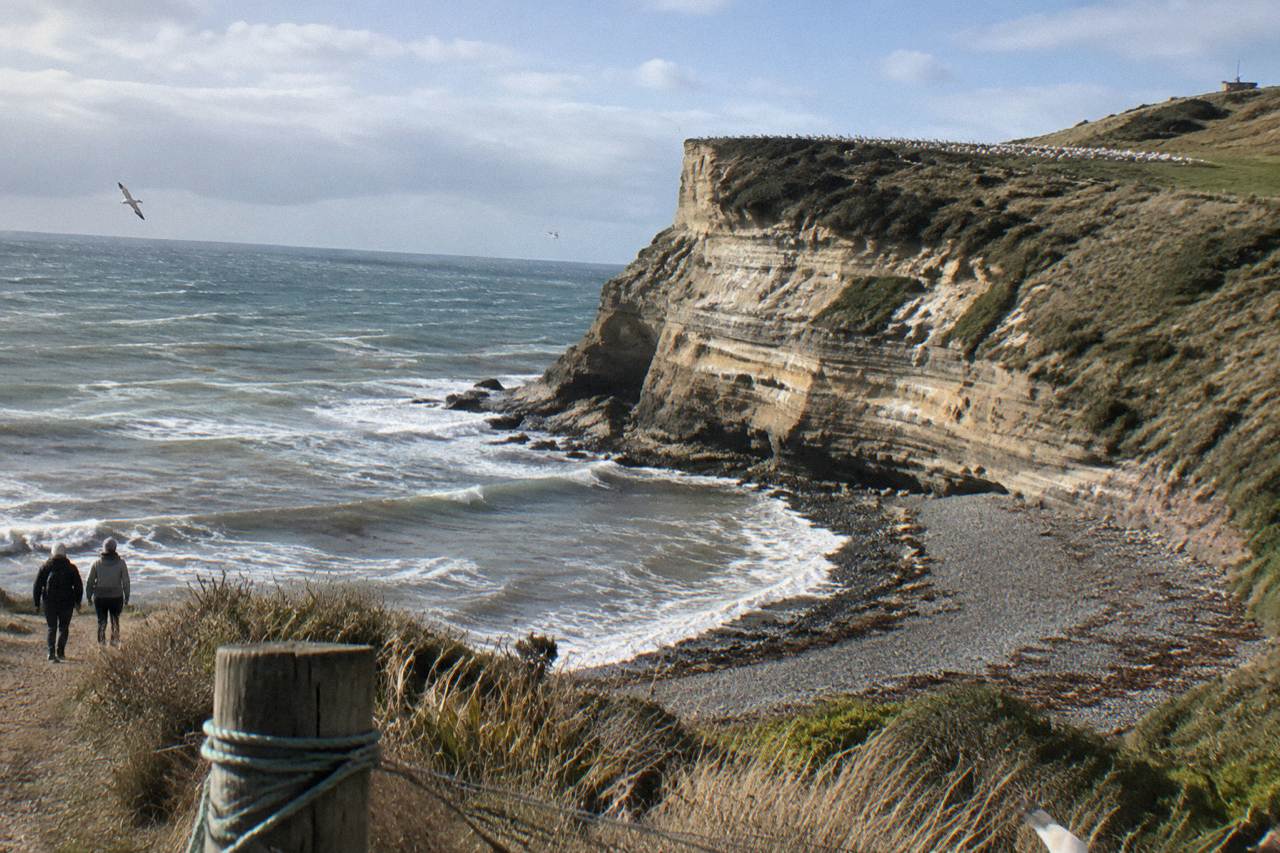
Dogs are not allowed at the Cape Kidnappers gannet reserve or on the overland tours. Here is what the rules are, why they exist, and what dog owners can do instead.
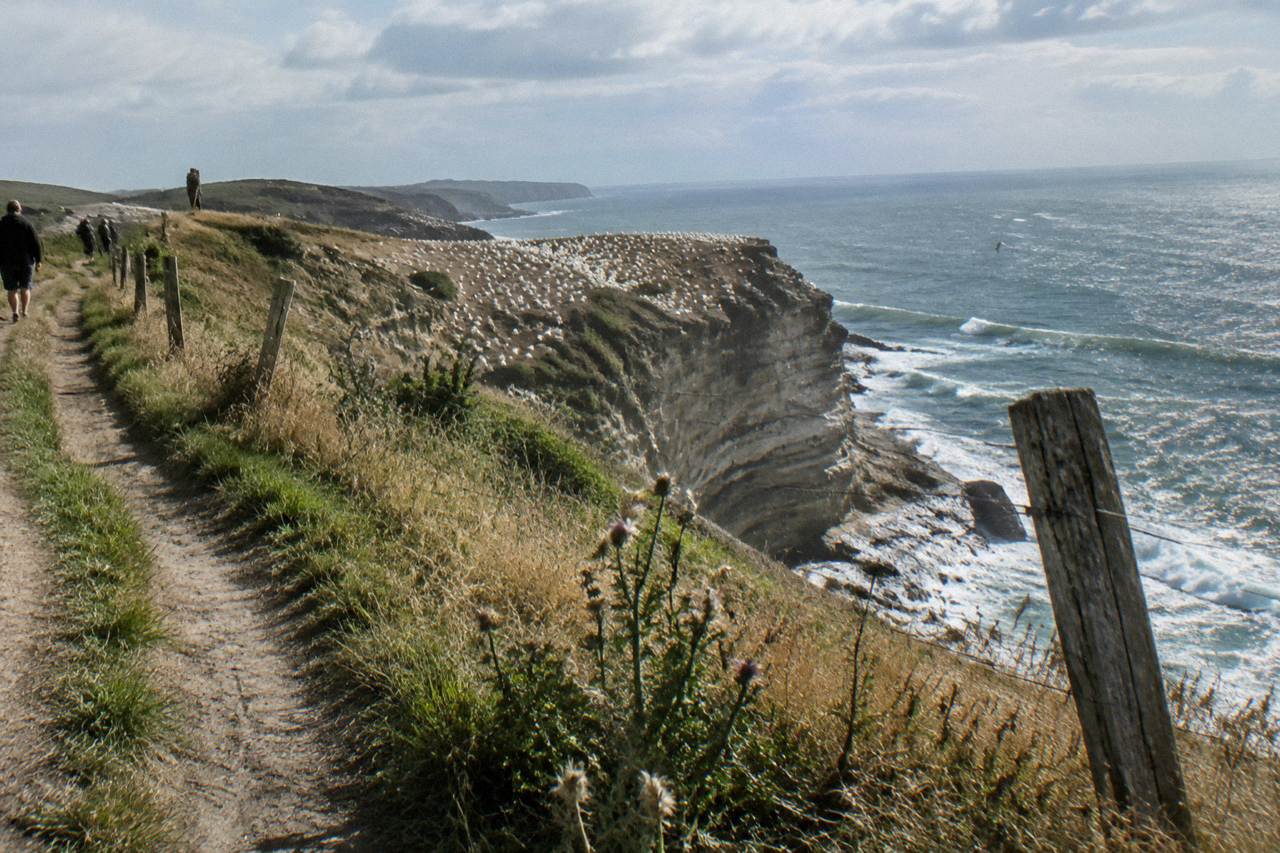
No, you cannot drive yourself to the Cape Kidnappers gannet colony. Self-drive gets you to Clifton, and the overland tours cross private farmland to the plateau. Here is what that means for your trip.
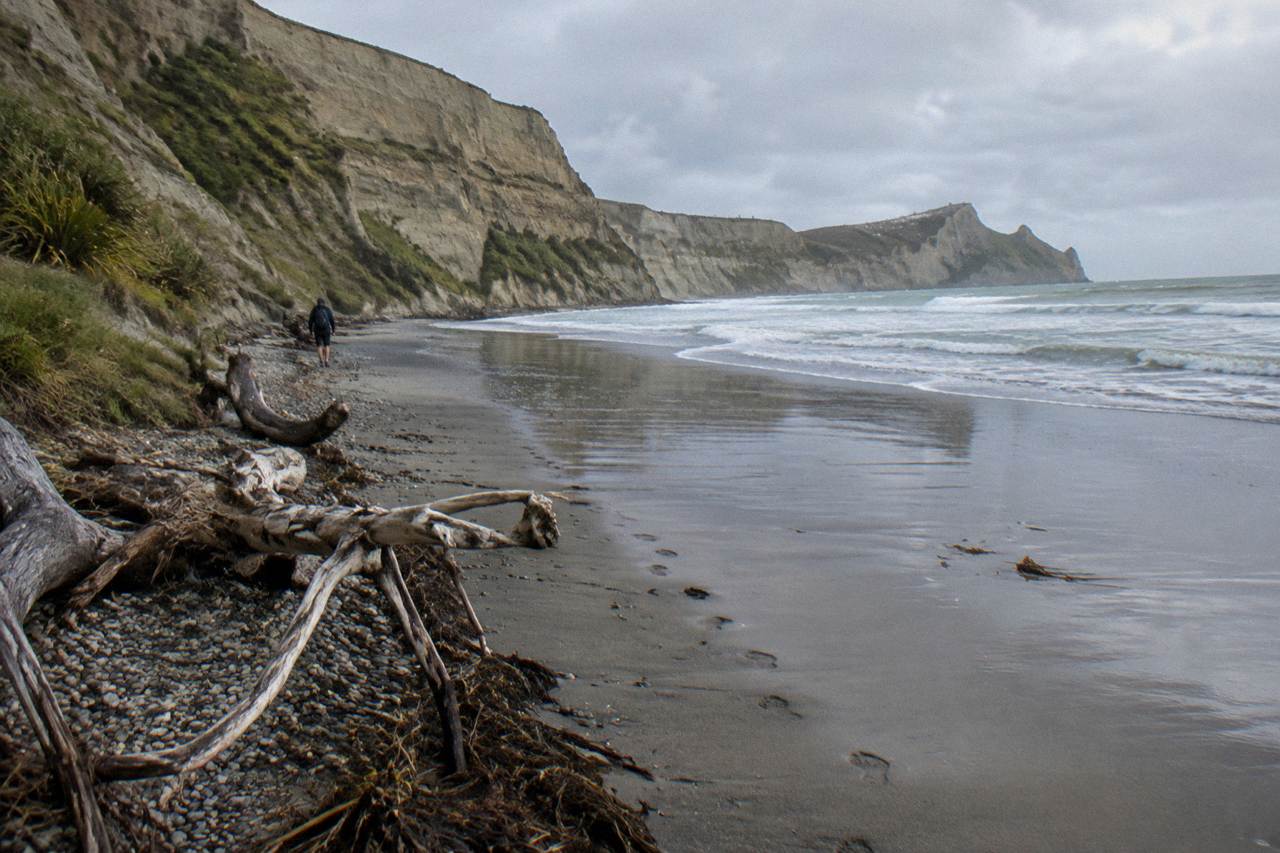
Yes, you can walk to the Cape Kidnappers gannet colony: the DOC beach walk is 19 km return, Expert grade, at least 5 hours, only around low tide. Here is how it works, and how the overland tours compare.
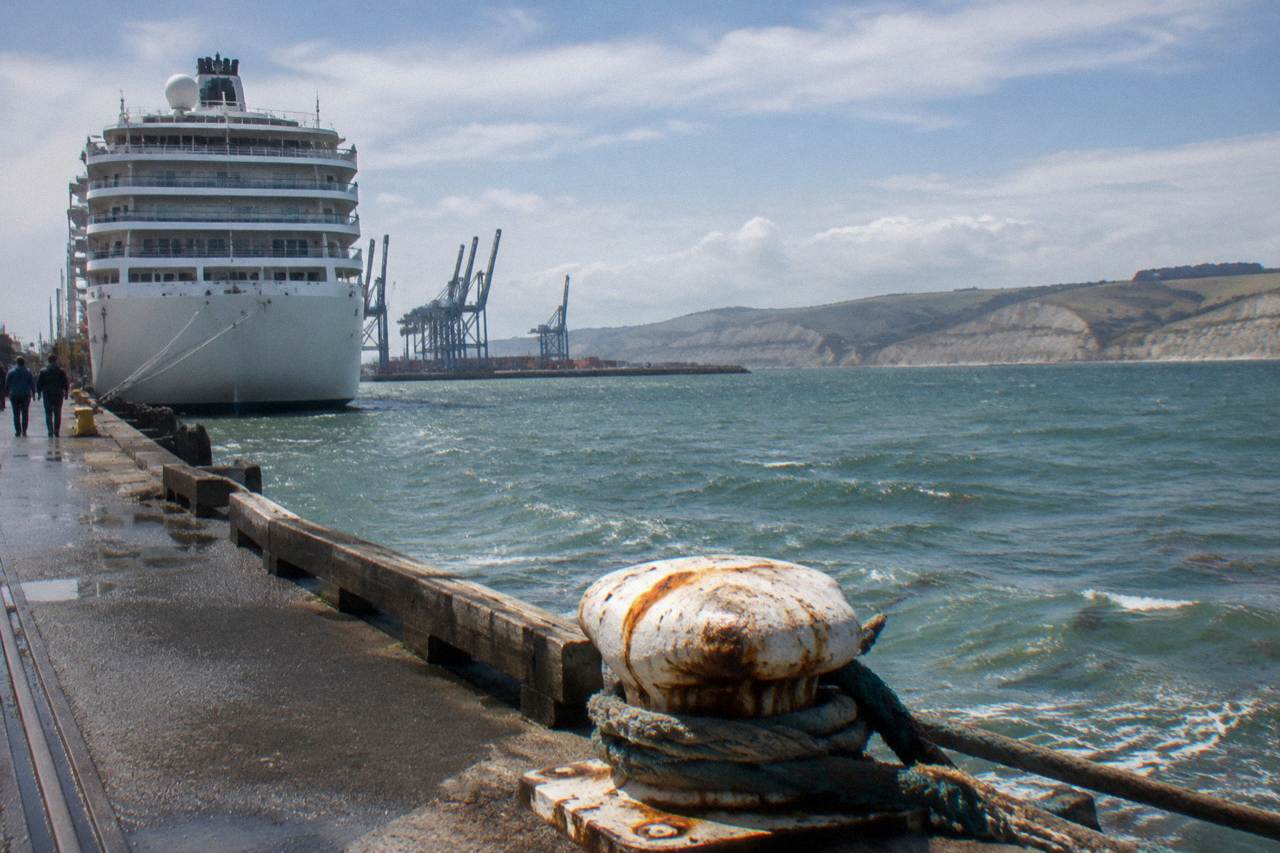
Yes, cruise passengers in Napier can book a Cape Kidnappers gannet shore excursion. Here is what runs, what it costs, where it meets and how it fits your port day.
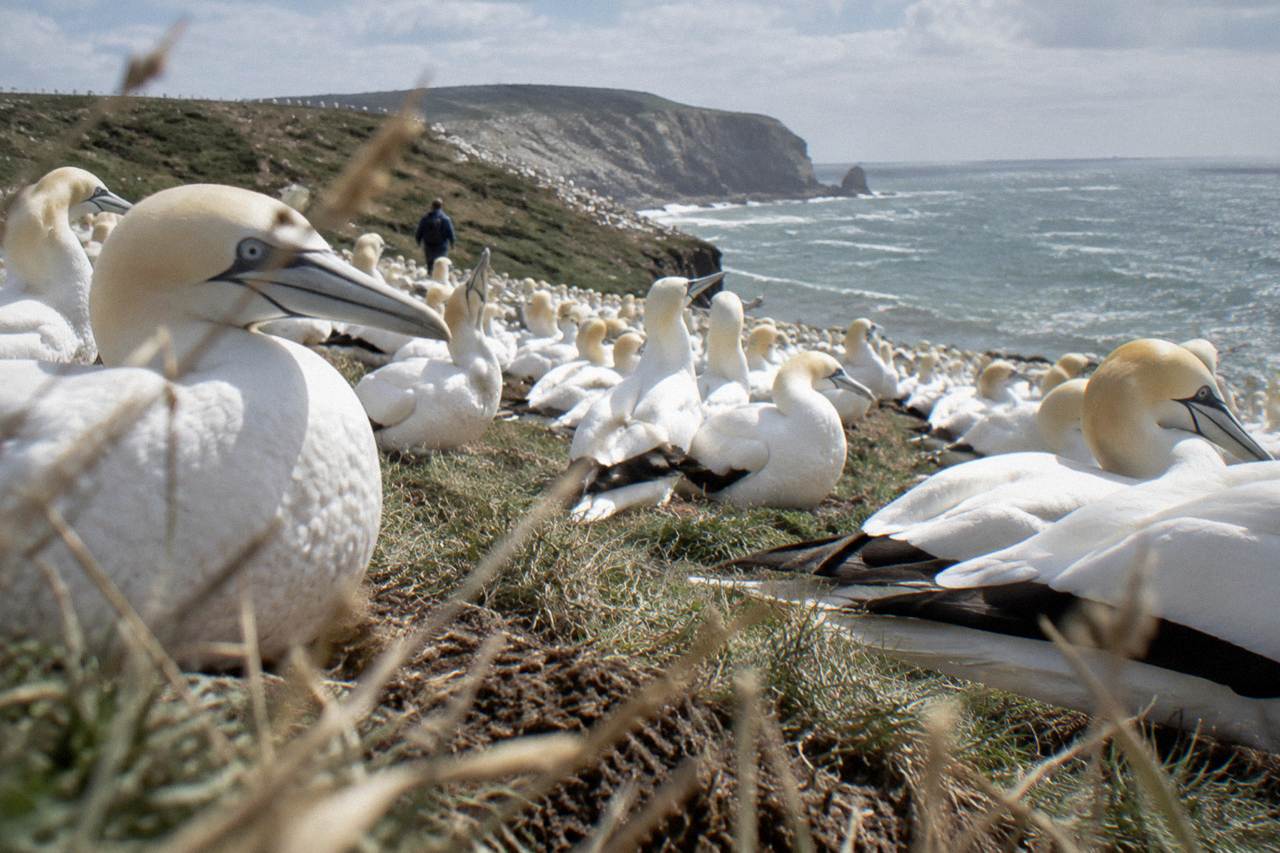
Are gannets dangerous at the Cape Kidnappers colony? A straight answer on gannet behaviour, DOC safety rules, and which Napier gannet tours keep you at a safe distance.
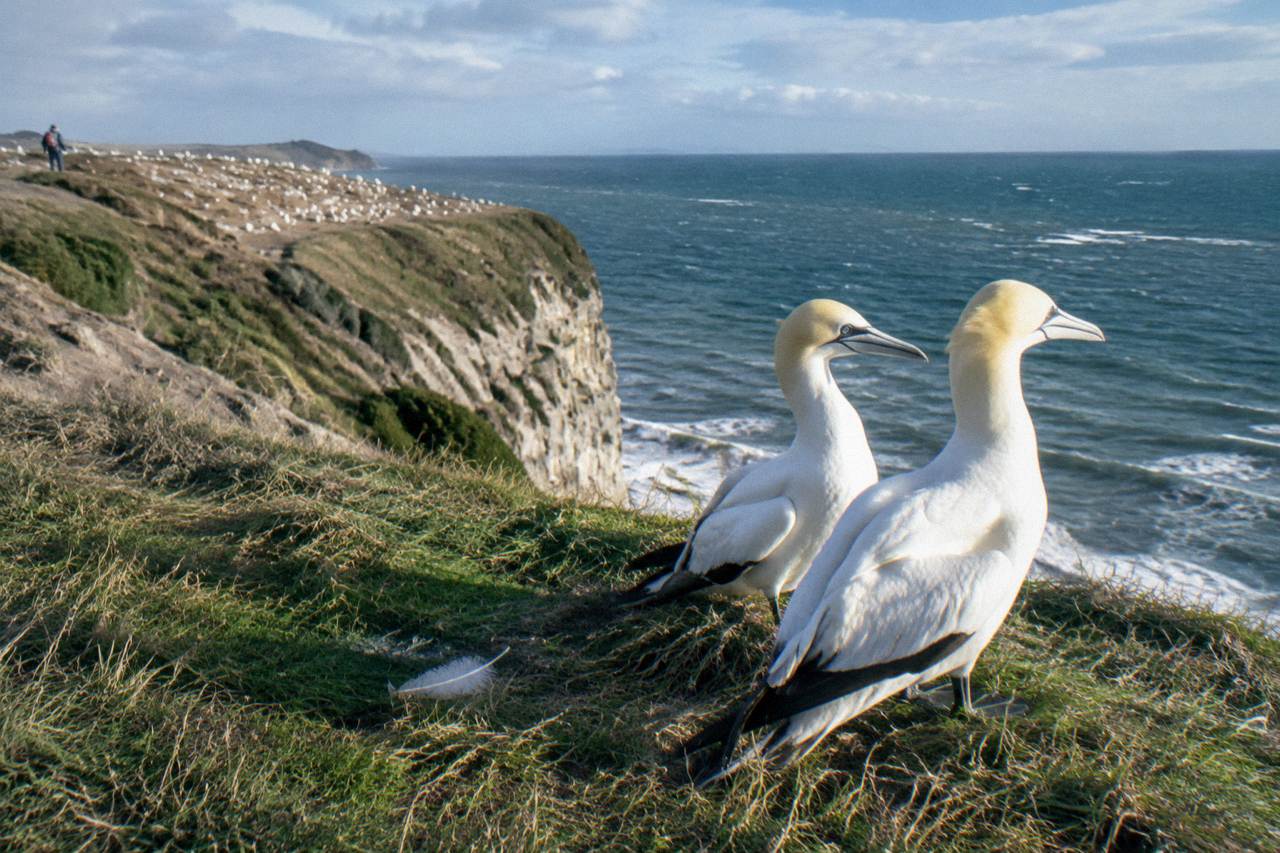
Do gannets mate for life? How Australasian gannet pairs bond, nest and raise a single chick at the Cape Kidnappers colony, and which Napier tours put you in front of them.
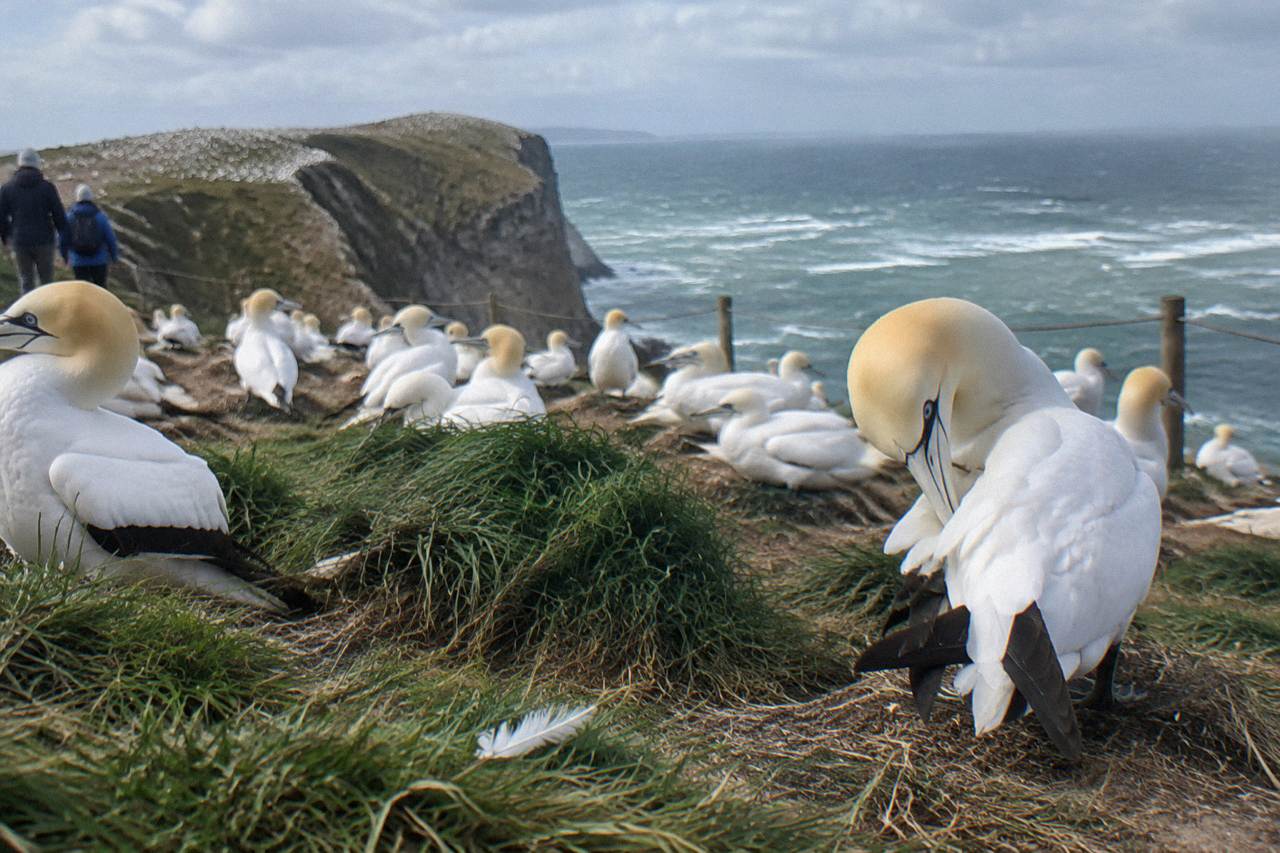
Tour lengths at Cape Kidnappers compared: the 3 hour standard tour, the 4 hour shore excursion and private tours, and the 7.5 hour winery day, with drive times and colony stops.
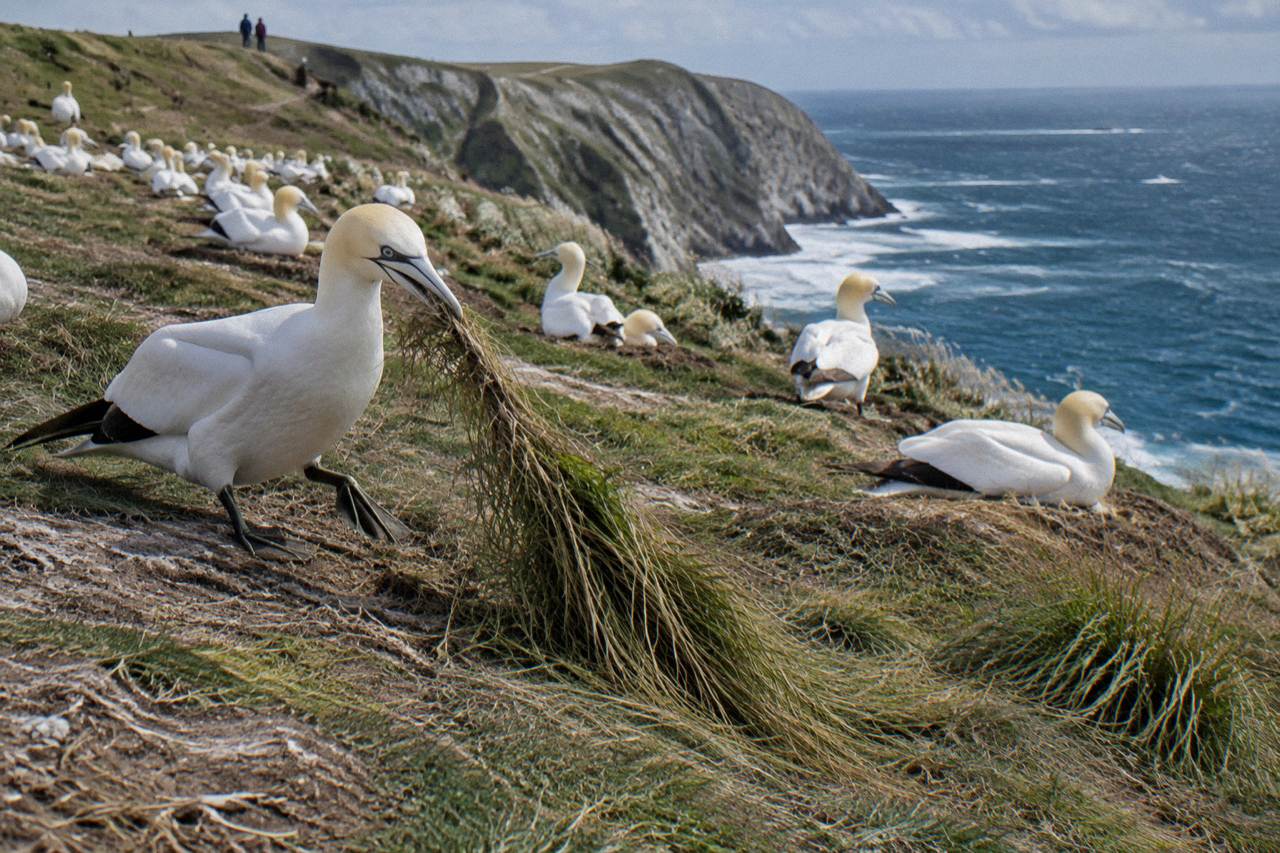
The Cape Kidnappers gannet walk is 19 km return, graded Expert, with DOC advising at least 5 hours. Here is what that means in practice, plus the faster overland tour options.
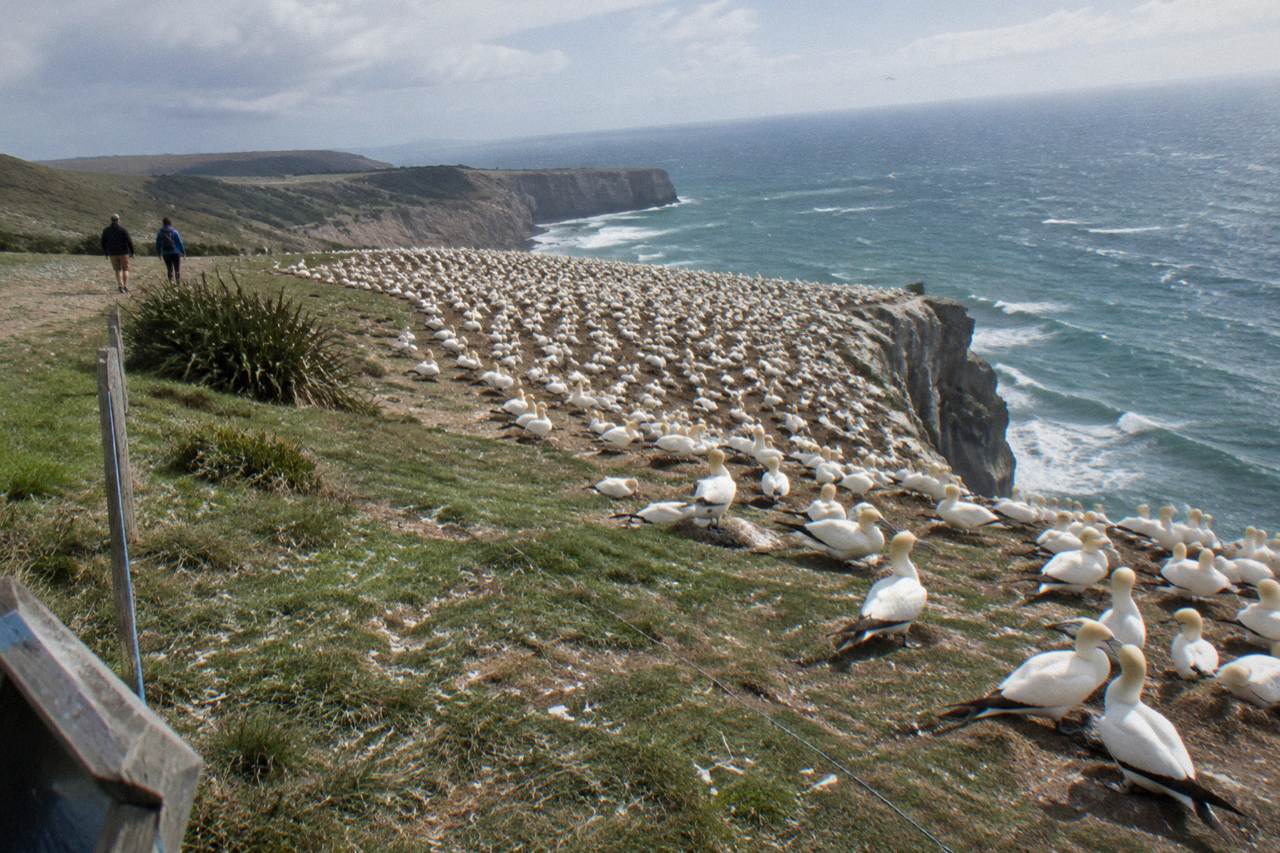
DOC puts the Cape Kidnappers gannet colony at 6,500 pairs, the largest and most accessible mainland colony in the world. Here is what that number means for your visit.
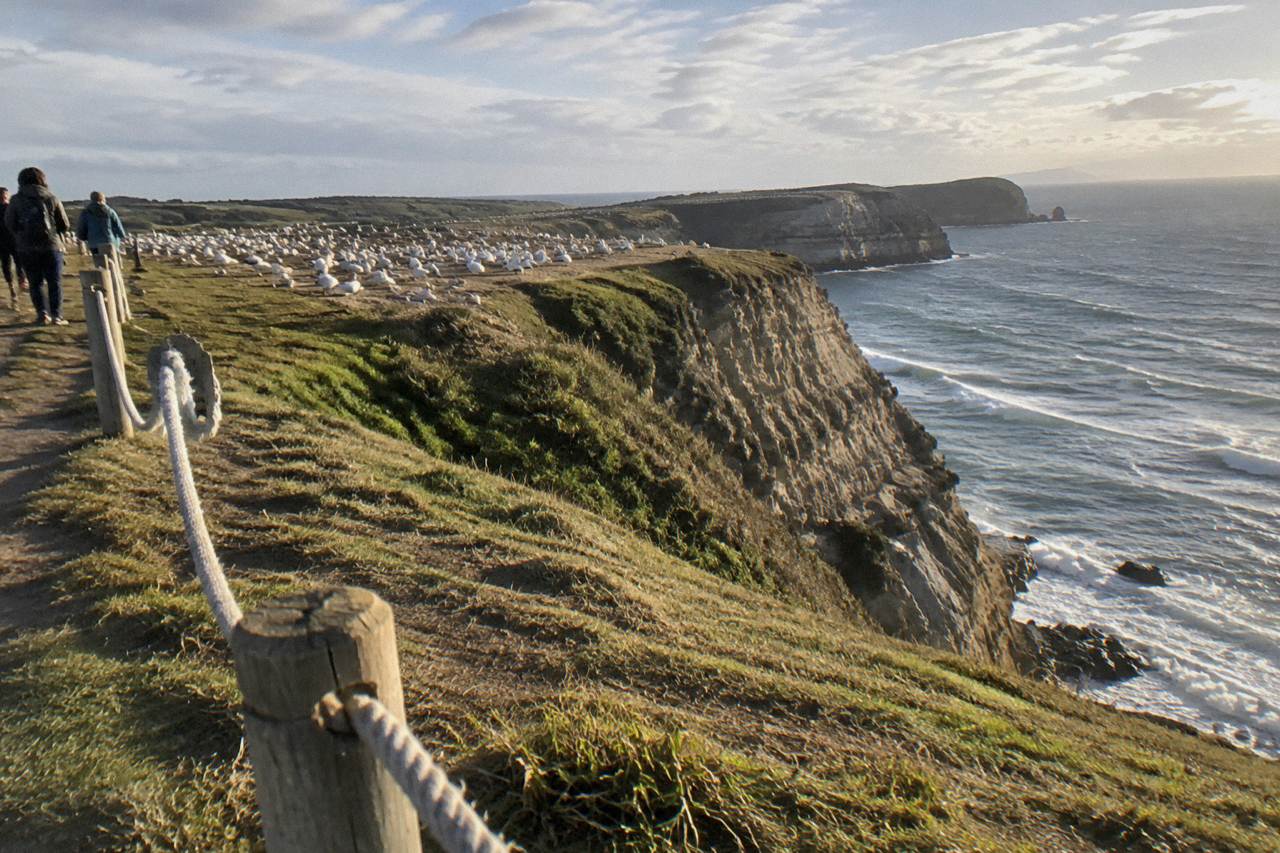
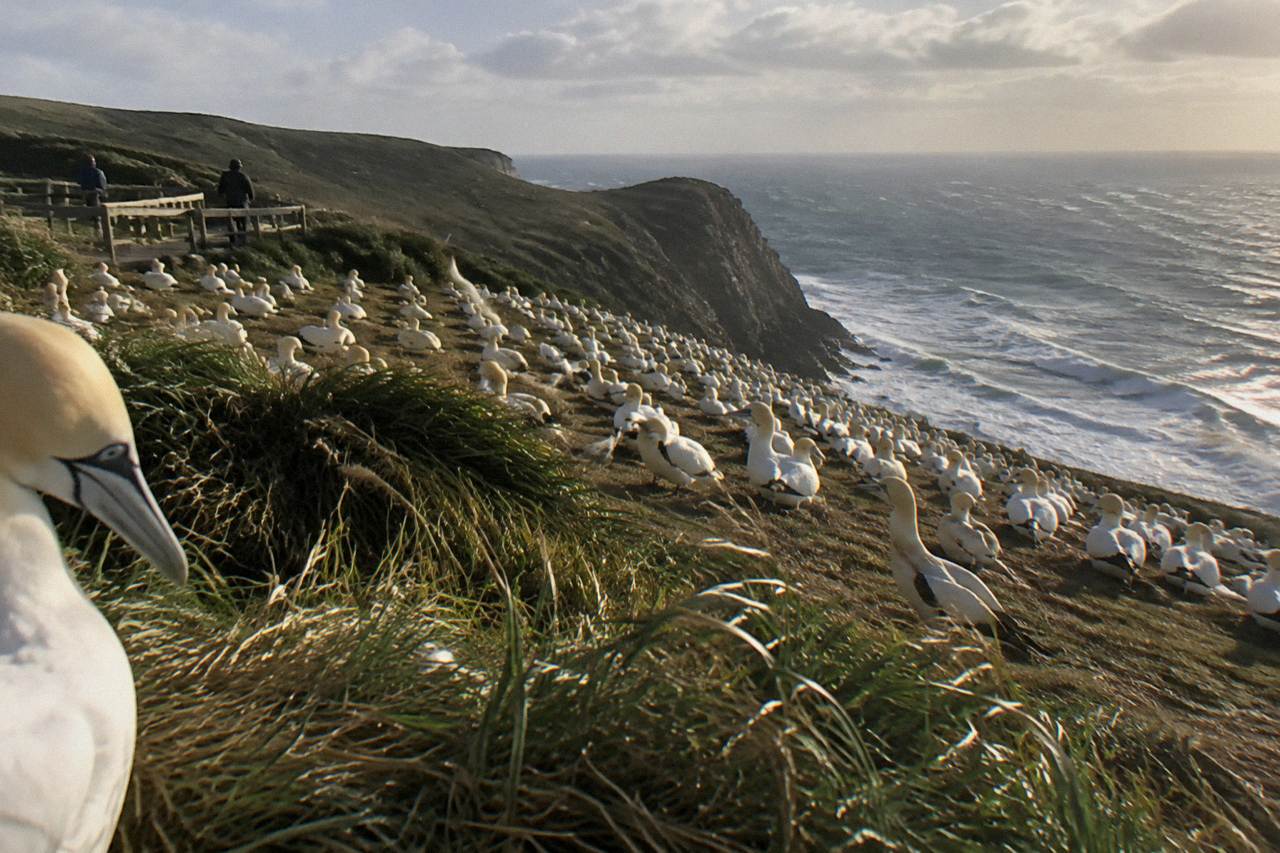
The practical ways to see the Cape Kidnappers gannet colony in Hawke's Bay: overland tours, the DOC beach walk, and the bike and tractor alternatives, with prices, durations and start points.
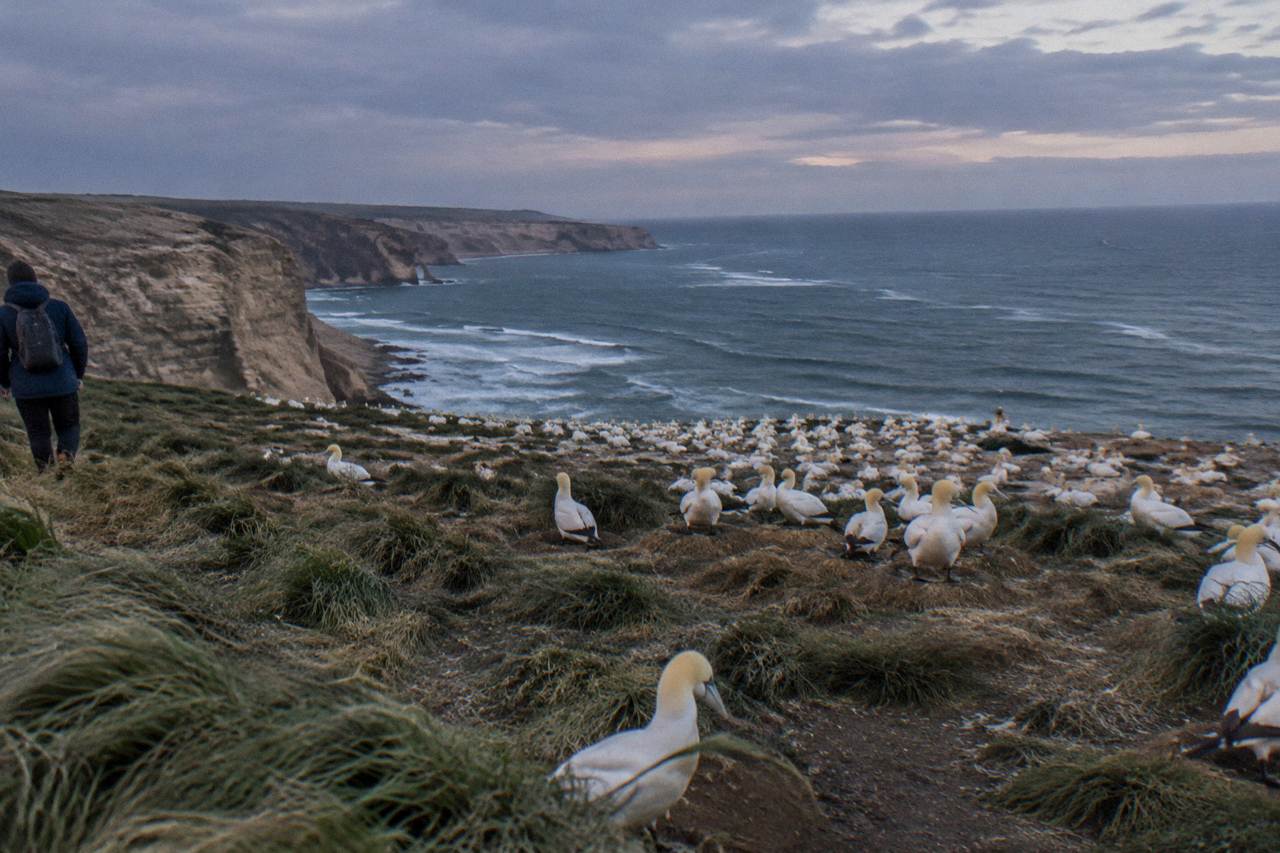
Cape Kidnappers is open to the public, with two legitimate ways in: the free DOC beach walk and a guided overland tour. Here is how access, closures and the rules actually work.
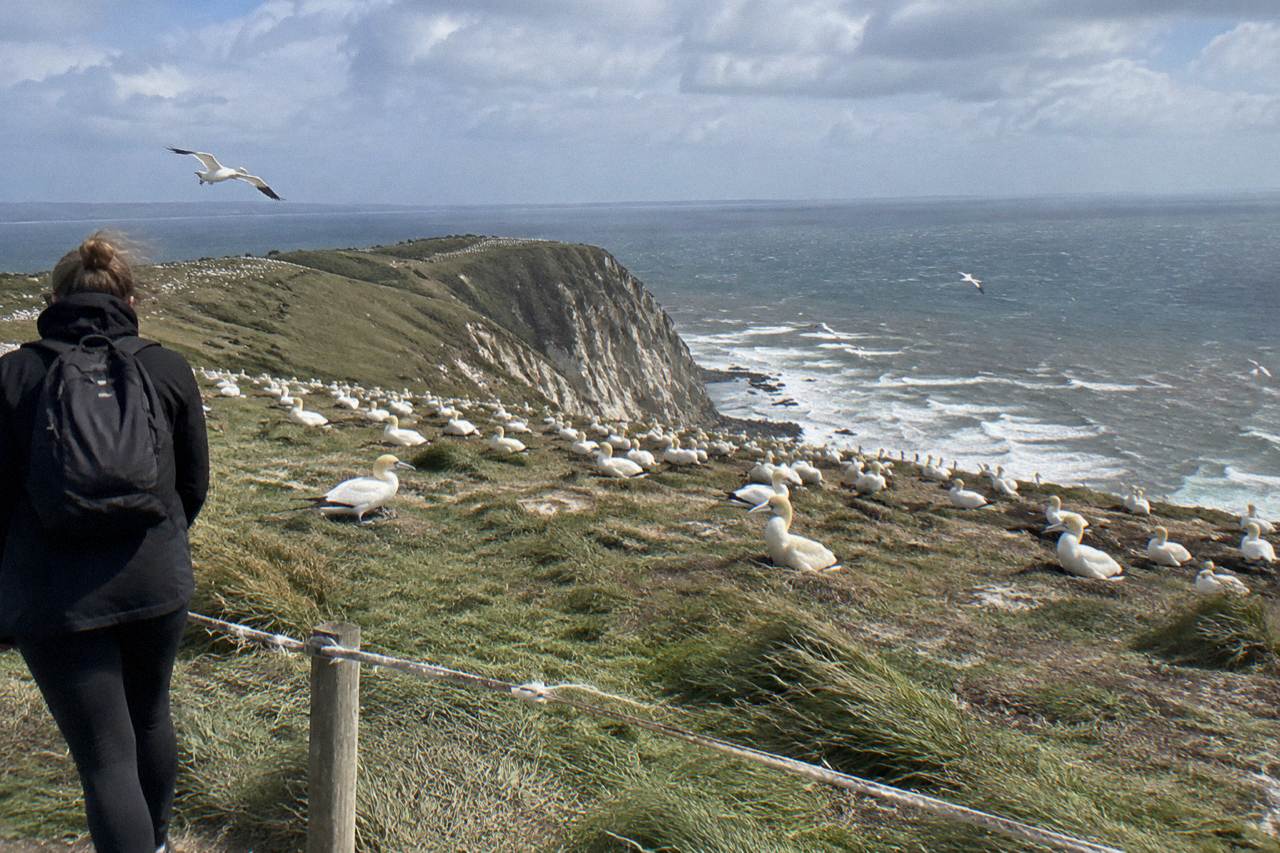
What wheelchair access really means on the Cape Kidnappers gannet tours: the stated flags, the plateau terrain, boarding the 4WD, and what to ask before booking.
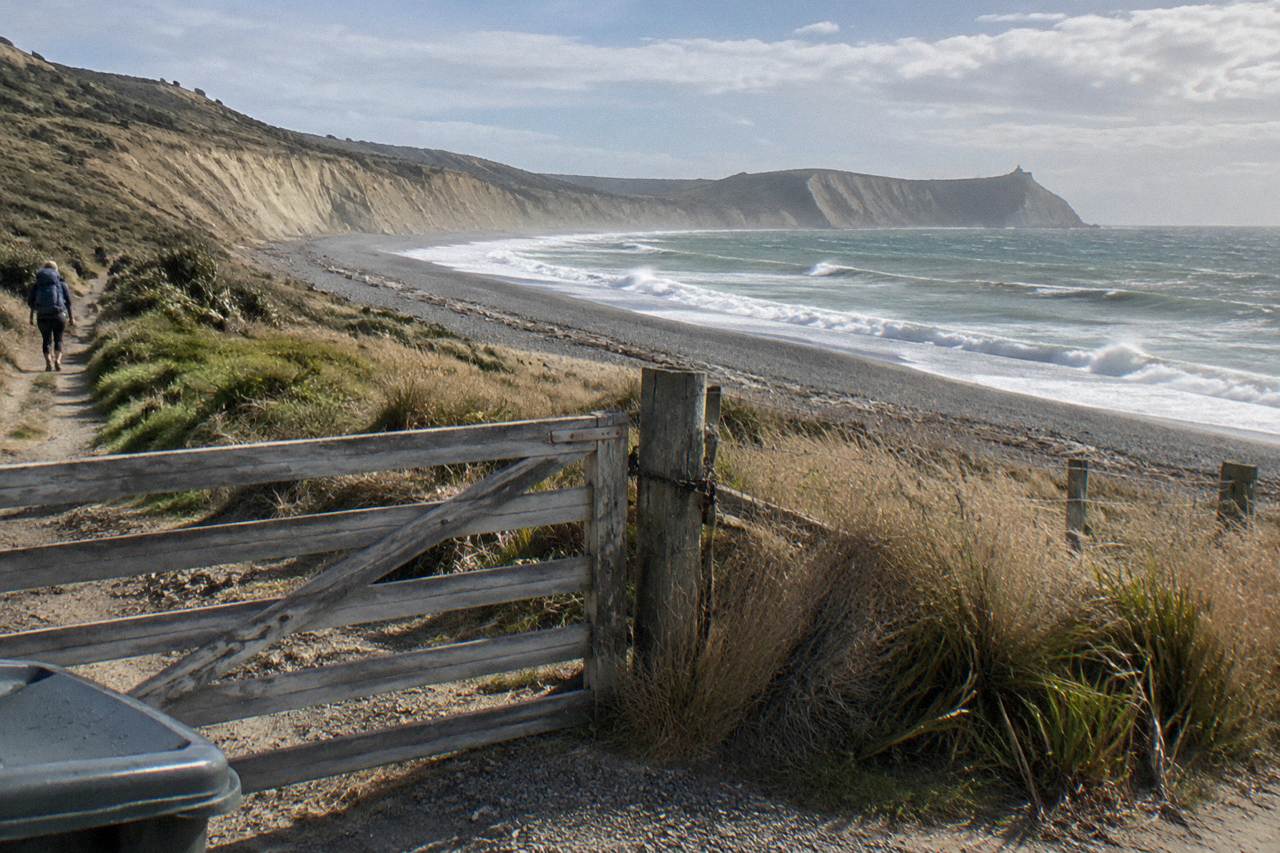
Whether the Cape Kidnappers beach walk and plateau track are closed, the seasonal closure, landslide history and the Clifton Road change, plus how to see the gannets when the track is shut.
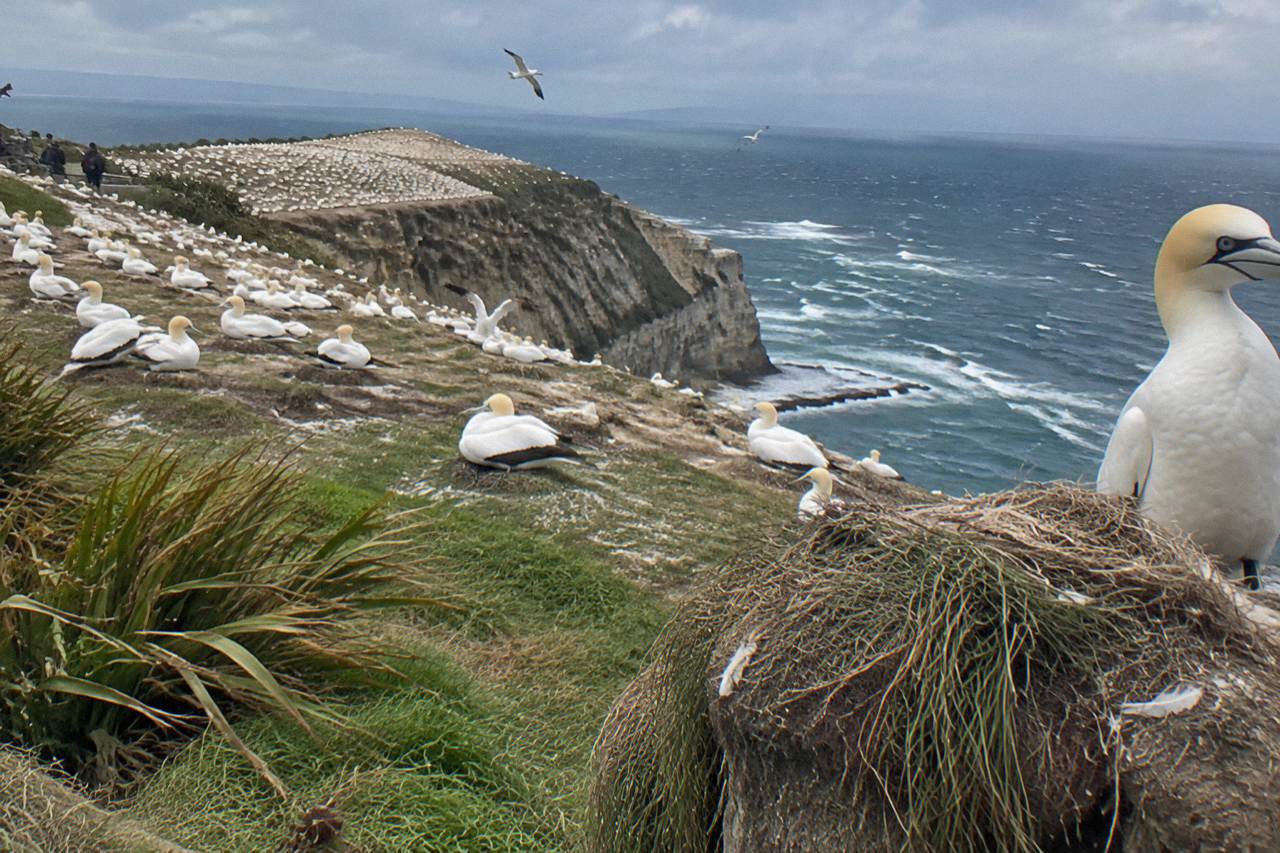
A parent's guide to taking children on a Cape Kidnappers gannet tour from Napier: walking, toilets, strollers, safety, prices and which option suits which family.
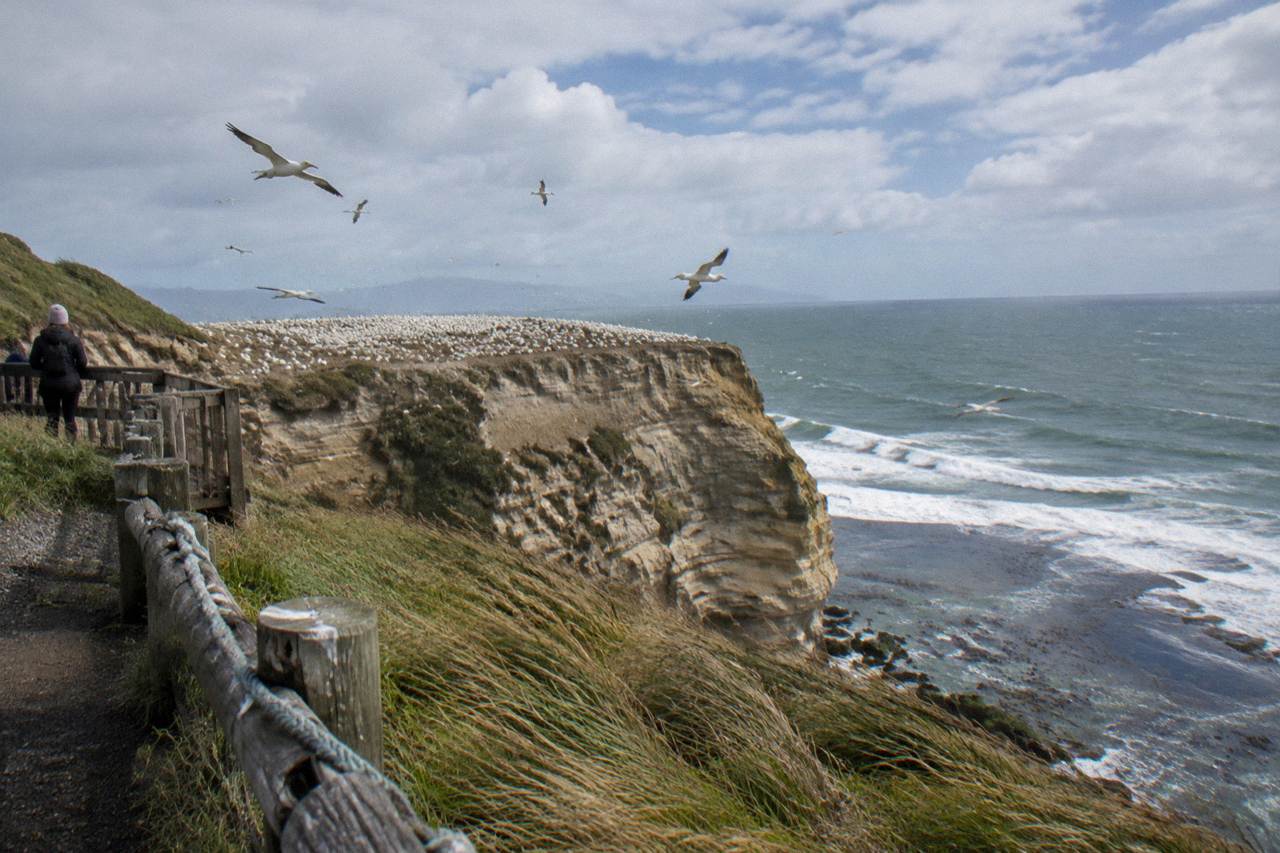
A plain comparison of the standard shared and private Cape Kidnappers gannet tours from Hawke's Bay: prices, price basis, durations, pickup and who each format suits.
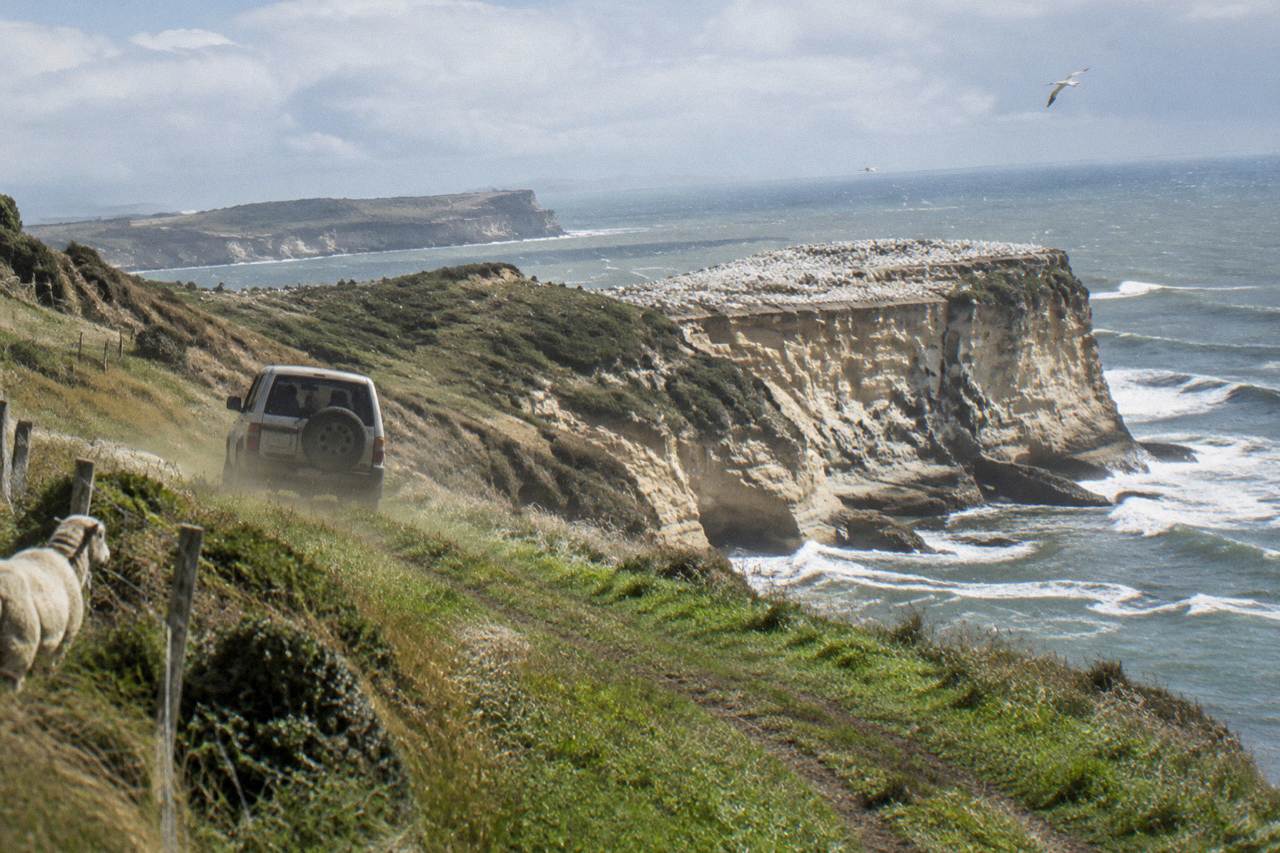
A packing and clothing guide for the Cape Kidnappers gannet colony tours from Napier, covering layers, footwear, sun protection, toilets, refreshments and what changes for the beach walk.
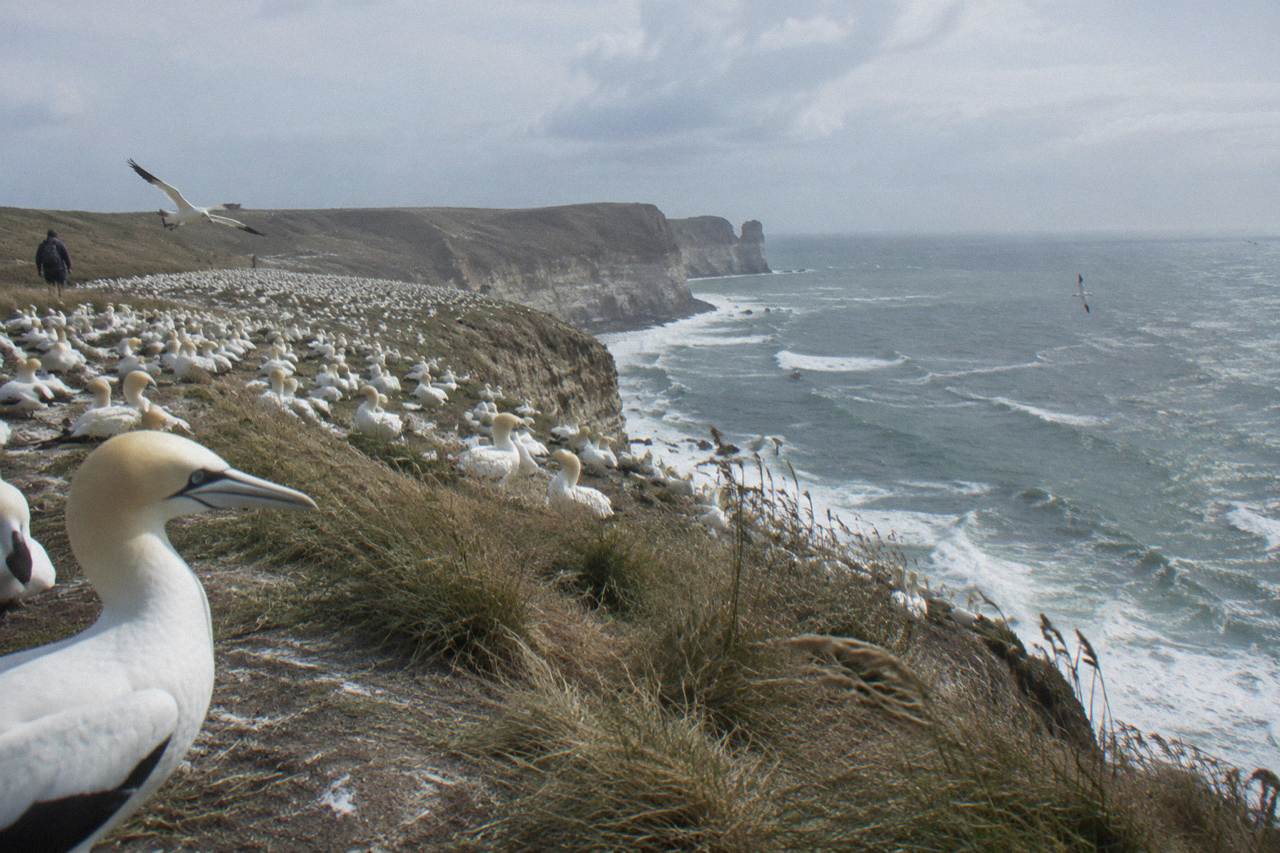
A group of gannets is called a colony, or a gannetry. Here is what that means, how big the Cape Kidnappers gannetry is, and how to see it from Napier.
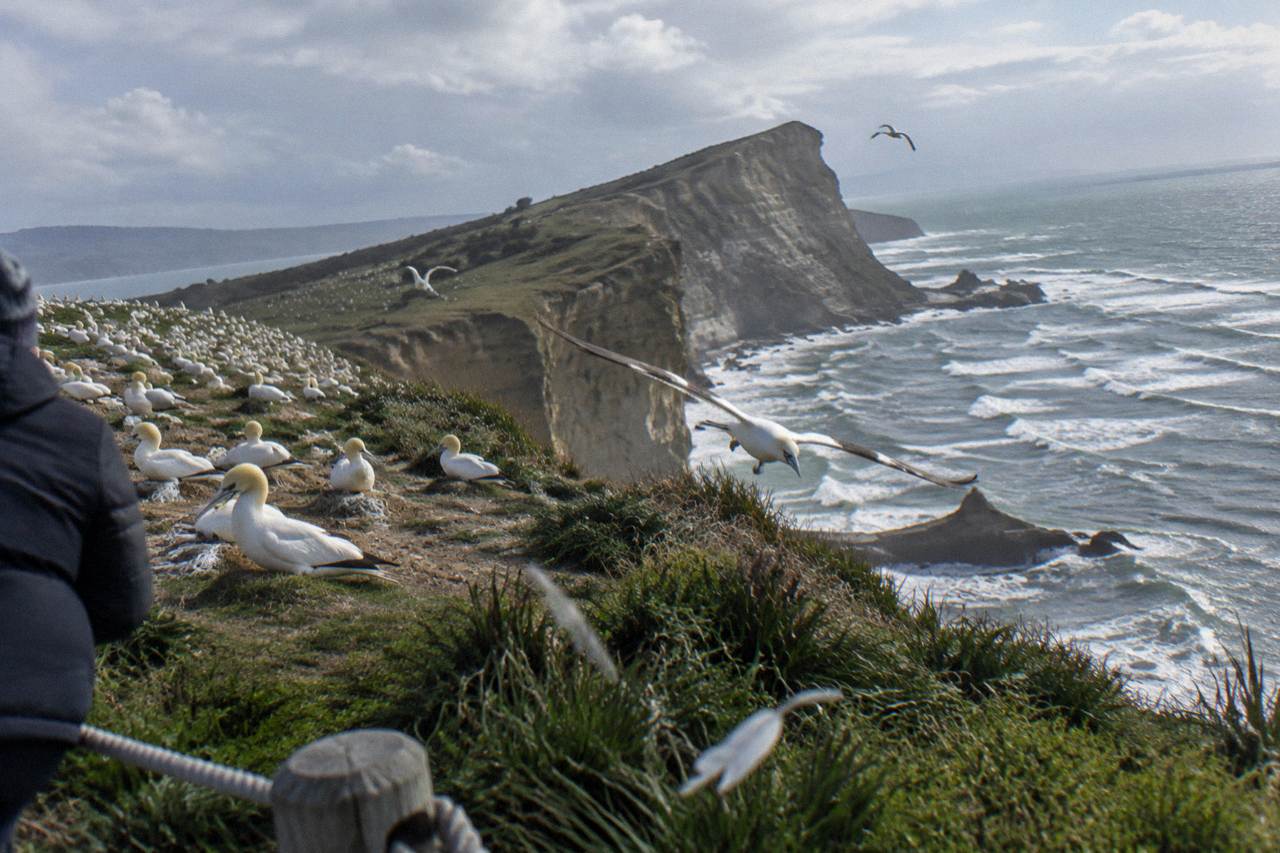
Gannet chick timing at Cape Kidnappers, mapped against DOC's best-viewing window from early November to late February and the tour season that runs 1 August to 30 April, with help choosing a booking month.
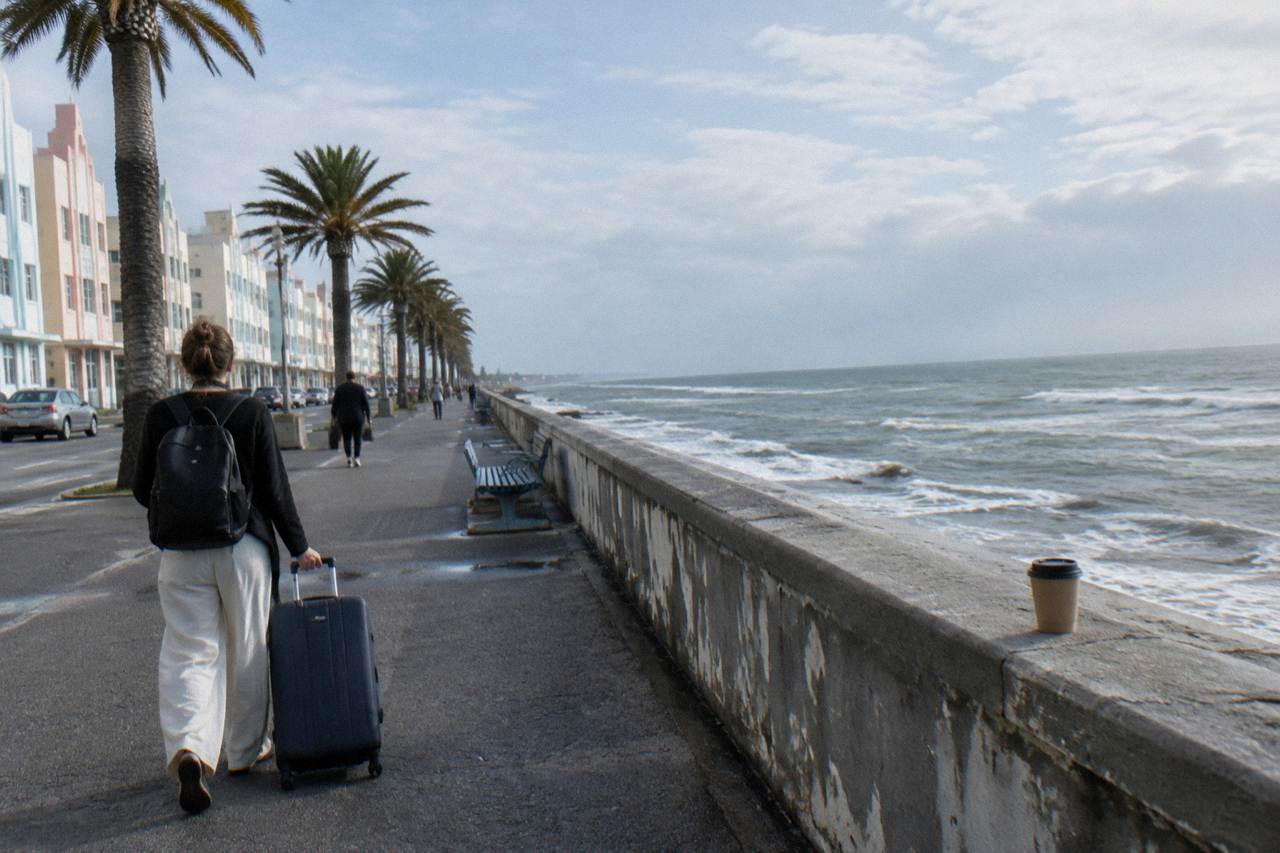
A practical planning guide to filling a day, a weekend or a shore stop in Napier and Hawke's Bay, with the Cape Kidnappers gannet tour at the centre of the itinerary.
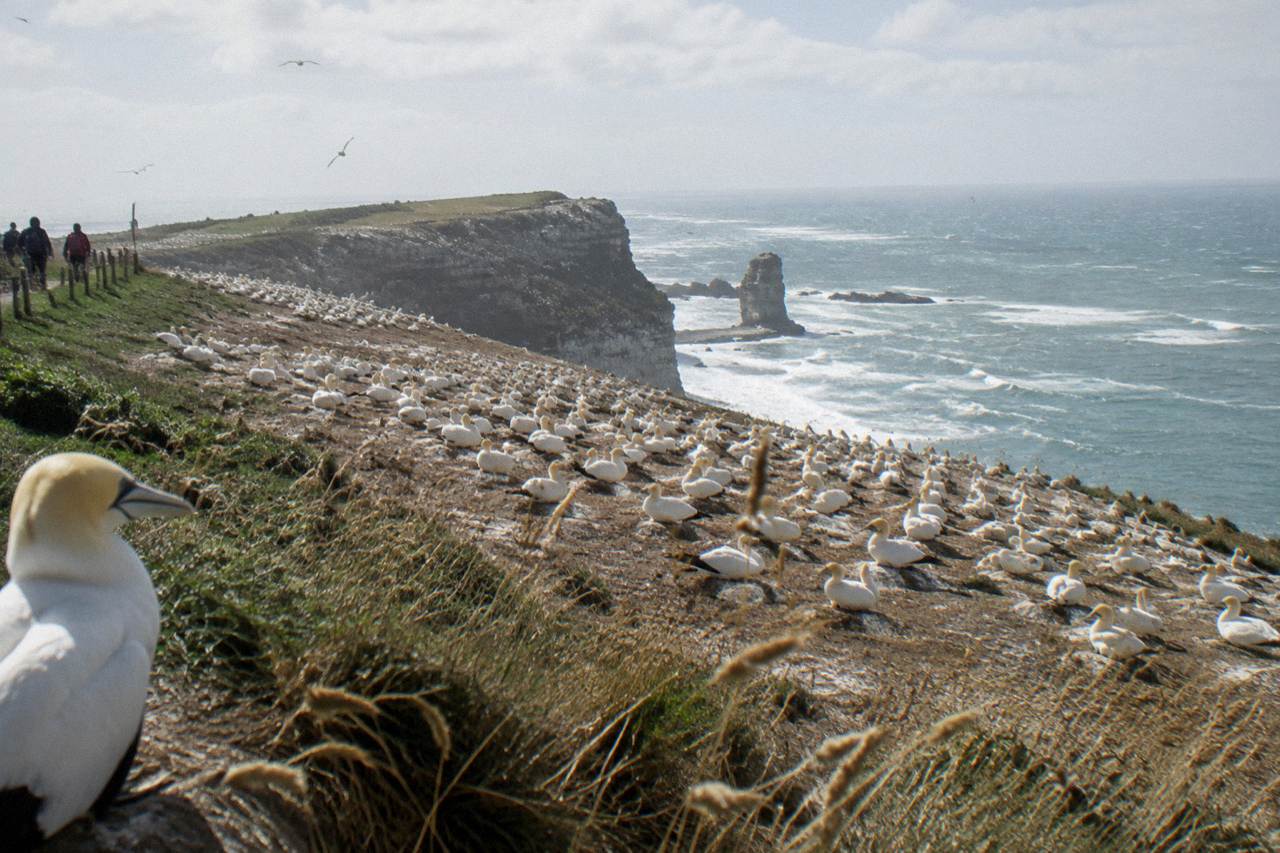
DOC calls Cape Kidnappers the largest and most accessible mainland gannet colony in the world at 6,500 pairs. Here is what that means, and how to see it from Napier.
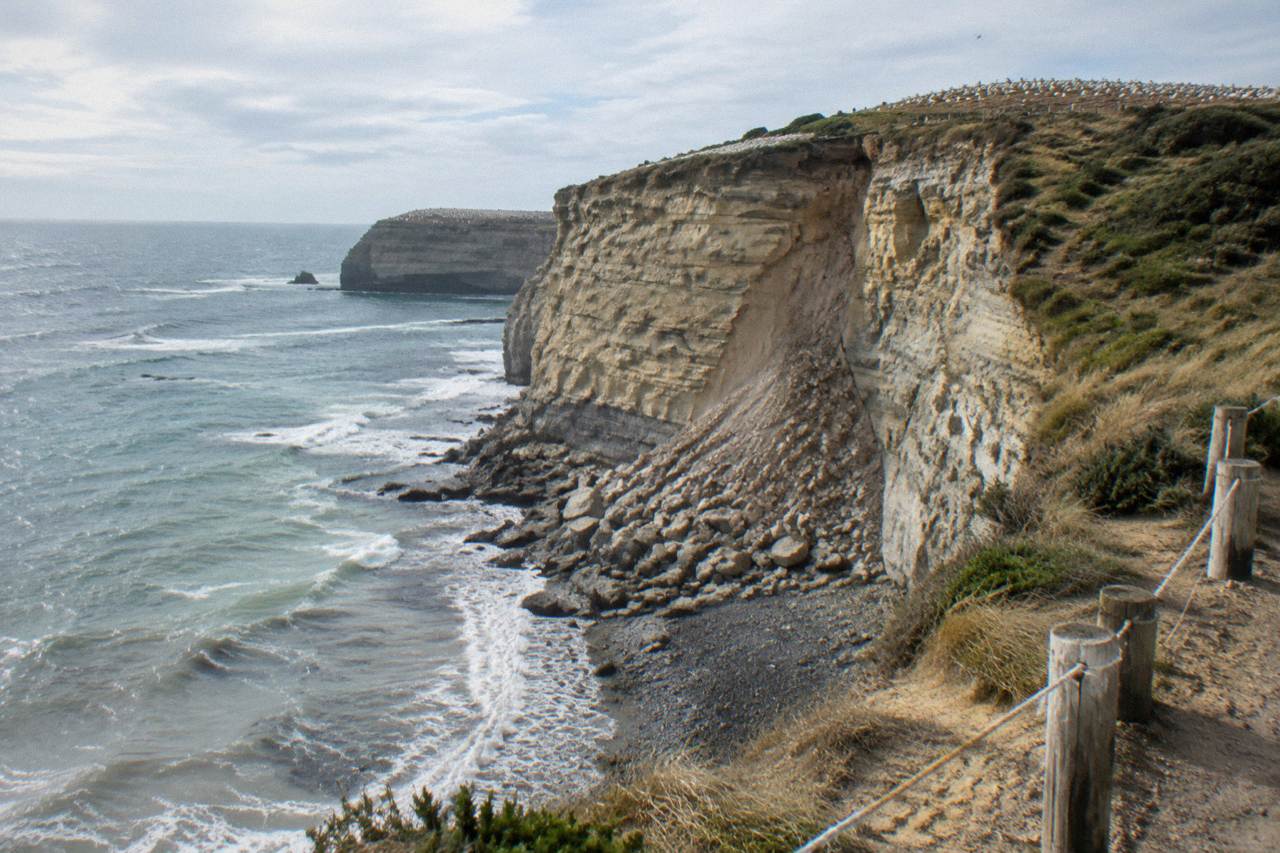
The real reasons Cape Kidnappers closes: the seasonal plateau track closure, landslide risk on the beach, tides, and the Clifton road changes, plus what still runs.