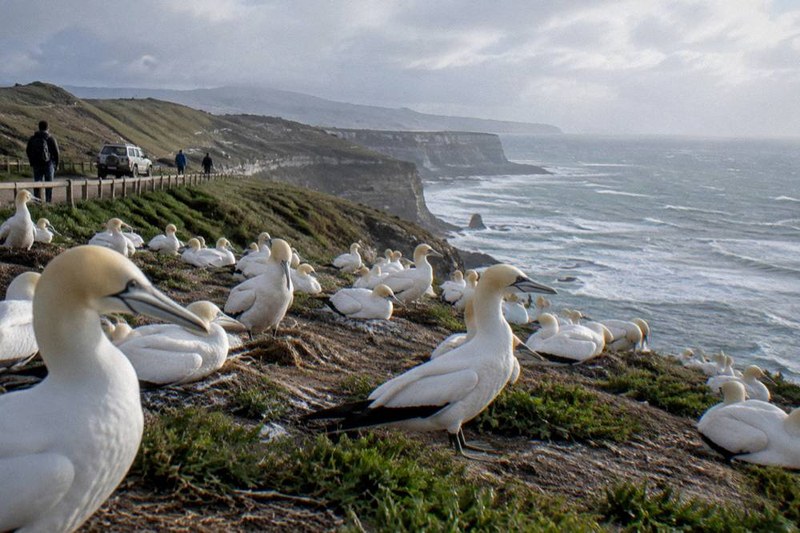
Is The Cape Kidnappers Walk Closed?
Whether the Cape Kidnappers beach walk and plateau track are closed, the seasonal closure, landslide history and the Clifton Road change, plus how to see the gannets when the track is shut.
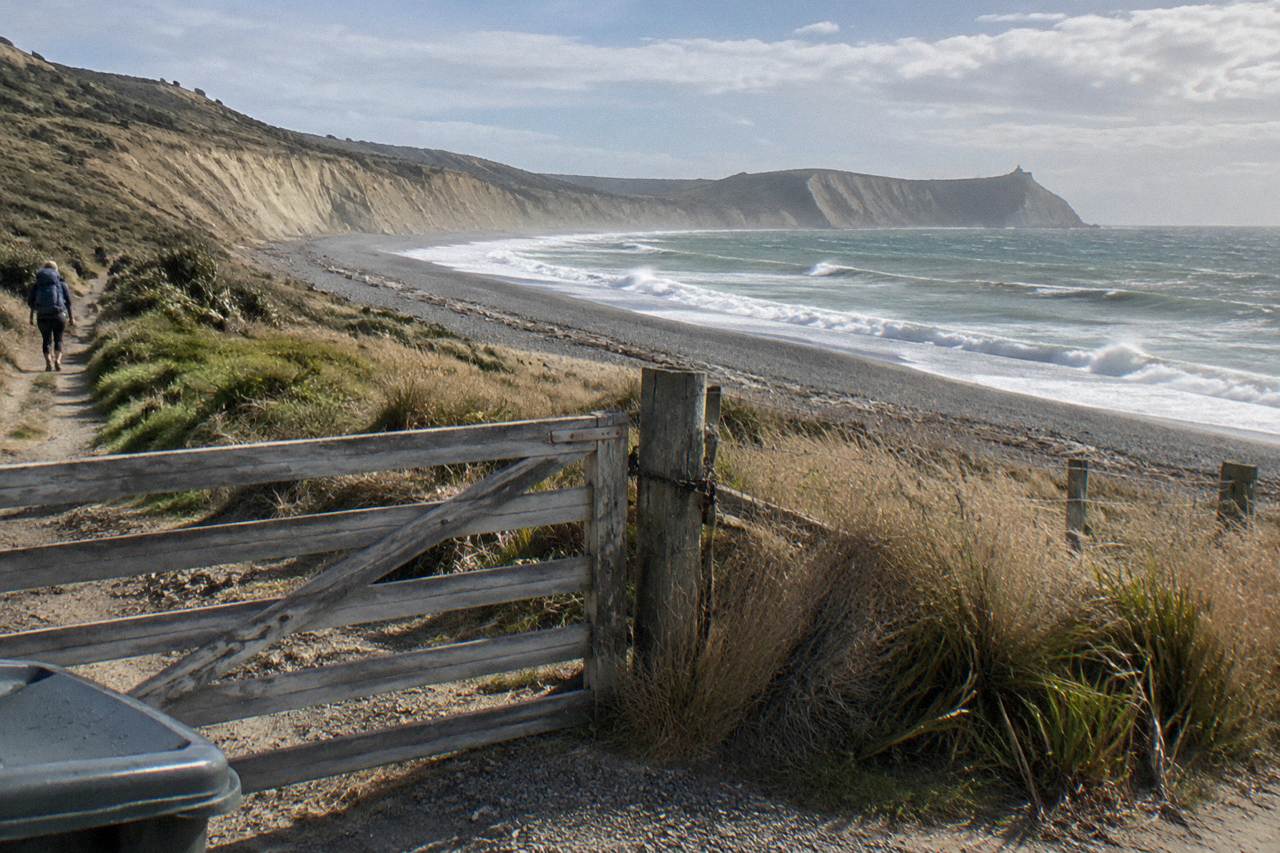
The Cape Kidnappers walk has been closed more than once, and the answer to whether it is closed right now depends on three separate things: the season, the tides, and the state of the cliffs. DOC, which manages the reserve, says the status of the track can change at any time and tells walkers to check the safety alert on its page before setting out. That is the short version.
This page works through each kind of closure in turn, then covers what still works when the walking track does not. The overland gannet tours cross private farmland above the cliff tops rather than using the beach, so a closed beach track does not close them, and that difference matters a great deal to anyone standing in Napier with a free afternoon and a fixed departure date.
No, there is no permanent closure, but the Cape Kidnappers walk is not always open either: the beach track from Clifton to the plateau gannet colony closes every year from July until the week before Labour Weekend, and DOC warns that landslide risk, high tides, big seas and unstable cliffs can shut the beach at short notice at any time, so check DOC's safety alert before you set out. For more on why access shuts down and what still runs when it does, the guide to why Cape Kidnappers closes explains the details.
Three different closures get mixed together in search results, and untangling them is the first job. The seasonal closure is fixed and announced: the track from the beach up to the plateau colony shuts from July to the week before Labour Weekend, to limit disturbance to returning birds. Adults return to the cape from around July for courtship and nest building, so the closure is timed to protect exactly the birds people come to see.
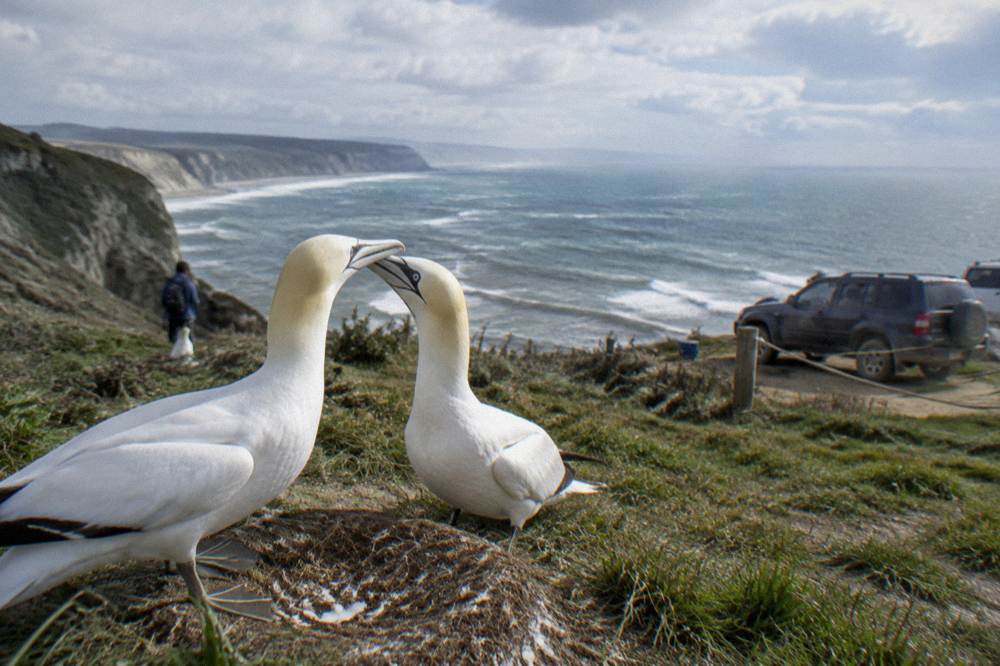
The second kind is tidal. The beach walk is possible only around low tide, high tides and big seas block the beach, and walkers must leave the Cape no later than 1.5 hours after low tide. This is not a closure anyone announces; it is physics, and it resets twice a day. The walk runs 19 km return from Clifton, graded Expert, with DOC advising at least 5 hours for a comfortable return trip, so the tide window has to fit the whole outing.
The third kind is the one that makes news: landslide closures. About 7 km of the beach lies under cliffs subject to significant landslide and rockfall, and DOC reports large landslides every year. When a serious event happens, the beach closes until it is assessed and reopened. More on that history further down.
For readers whose plans cannot absorb a closure, there is a route to the gannets that does not depend on any of this. The overland tours travel above the cliff tops across private farmland and are not governed by the tides.
When Is The Cape Kidnappers Track Seasonally Closed?
The track from the beach to the plateau gannet colony closes every year from July to the week before Labour Weekend, reopening for the spring and summer season. The gannet tour season itself runs from 1 August to 30 April, so for a few weeks in late winter the overland tours are running while the walking track to the plateau is still shut. Best viewing is early November to late February.
The seasonal closure protects the birds at their most vulnerable settling-in period. Gannets start returning to the cape from around July, and the closure runs until the week before Labour Weekend, which places reopening in spring. DOC says the best place to view nesting gannets is the Plateau colony, which sits on private land, and close-up views are possible at the Plateau and Black Reef colonies, Black Reef being the first nesting site, 7.5 km from Clifton.
Walkers sometimes confuse the plateau track closure with a closure of the beach itself. The beach walk along the shore remains possible outside the winter window, weather and tides permitting, but without the plateau track the walk gives you the Black Reef colony from the beach rather than the close-up plateau views. A steep, rough, muddy climb of about 1 km leads from the beach up to the second colony, and that is the section that shuts.
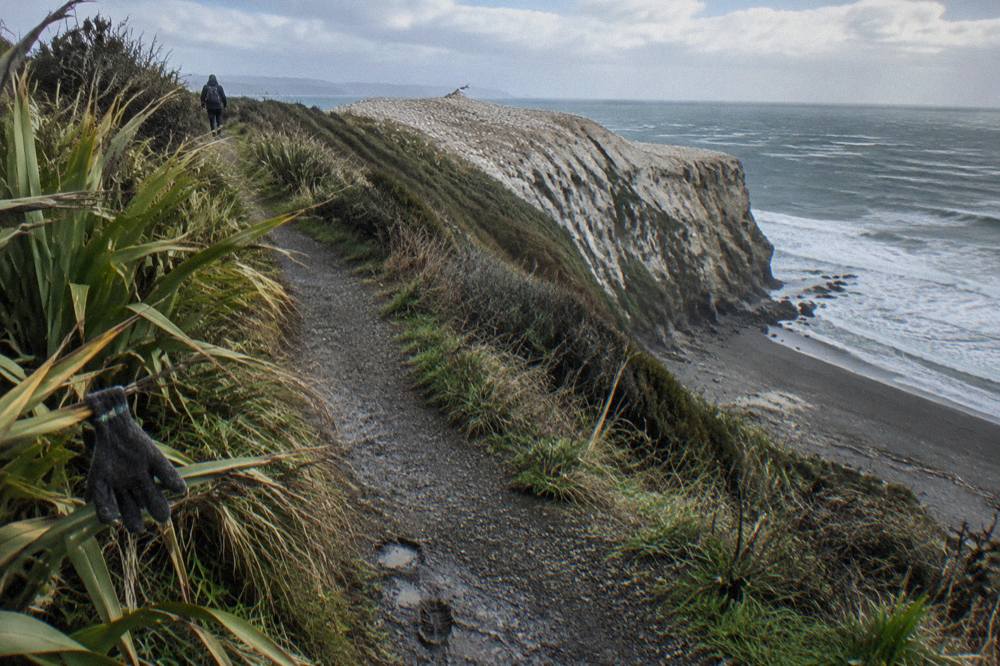
If your travel dates fall inside the closure window, the overland route is the practical answer. It crosses private farmland on Cape Kidnappers Station, a working farm of roughly 2,500 hectares with a predator-proof fenced conservation area, and it runs from 1 August, earlier than the walking track reopens. The calendar below shows how the pieces line up.
| Period | Beach walk | Plateau track | Overland tours |
|---|---|---|---|
| July | Tides and conditions permitting, but no plateau access | Closed | Not yet running |
| August to week before Labour Weekend | Open in principle | Closed | Running from 1 August |
| Week before Labour Weekend to 30 April | Open around low tide | Open | Running, including Christmas Day |
| Early November to late February | Open around low tide | Open | Running, best gannet viewing |
Why Did The Cape Kidnappers Beach Close Before?
A landslide seriously injured two tourists in January 2019, and another large landslide in February 2020 forced a closure of the beach before the track was later reopened. Those two events drive most of the "Cape Kidnappers closed" results you will find. DOC reports three serious injury landslide events in the past 50 years and says large landslides happen every year along roughly 7 km of beach beneath unstable cliffs.
The 2019 event was the serious one. A large landslide occurred at Cape Kidnappers in February 2020. Since then the language on the official pages has been consistent: the status of the track can change at any time, and walkers should check the safety alert before going.
The underlying hazard has not gone away. The cliffs along the middle stretch of the walk are actively eroding, and DOC describes large landslides as an annual occurrence. That does not mean the beach is closed most of the time; it means the official advice is to check the safety alert on the DOC website before walking beneath the cliffs. Hastings District Council says Clifton beach is open but may close if there is unstable activity, and signage at the access point reflects the current state.
- Standard Overland Gannet Tours$55
- Cruise Shore Excursions$93
- Private And Sunrise Tours$604 per group
None of this history touches the overland route. DOC treats beach transport as a high-risk operation and describes the overland route across private farmland as a lower-risk option, which is worth knowing when you are weighing a 19 km Expert-graded walk against a 4WD ride across a farm. The full walking route, its grading and its tide rules are covered in the Cape Kidnappers walk guide.
Is Clifton Beach Closed After The Road Change?
Clifton beach and the Cape Kidnappers walking route remain open to pedestrians. What changed in 2026 is vehicle access: Clifton Motor Camp closed on 20 February 2026 after a geotechnical assessment found unstable land above it, was permanently closed in July 2026, and in August 2026 Hastings District Council voted to close a section of Clifton Road to vehicles at the former campground.
This is the closure most likely to trip up a reader in a hurry, because headlines about a road closure at Clifton read like headlines about a track closure. They are different things. The former campground sits on land the geotechnical assessment judged unstable, and the council's response was to shut that section of road to vehicles. Pedestrian access to Clifton Beach and to the walking route that starts at Clifton, 21 km south of Napier and 18 km east of Hastings, stays open.
The change matters mainly to walkers and to anyone riding the self-guided fat-bike route that starts from 475 Clifton Road, not to the overland tours. The operator's base at 396 Clifton Road has a large off-road car park with room for several motorhomes. If you are driving yourself to the walk start, the practical step is to check where parking now sits relative to the closed road section before you leave, since the walking route itself is unaffected.
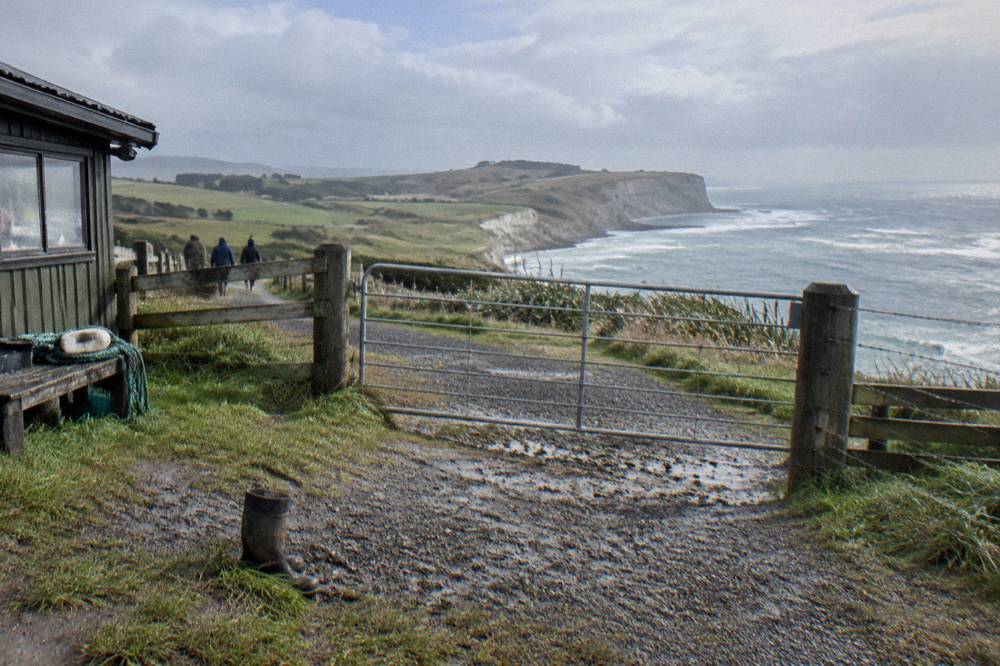
For completeness, the other beach operator to know about is Gannet Beach Adventures, a separate tide-dependent tractor-trailer ride along the beach from Clifton. Its status is unconfirmed here, so check its own site for whether and when it runs, and never assume a beach transport service is operating because the walk is open.
Do The Tides Close The Cape Kidnappers Walk?
In effect, yes, twice a day. The beach walk is possible only around low tide, high tides and big seas block the beach, and you must leave the Cape no later than 1.5 hours after low tide. Check the tide table before going, and remember the overland tours are not governed by the tides because they travel above the cliff tops.
A tide "closure" is not posted anywhere, which is exactly why it catches people out. The walkable window depends on the tide table on your particular day, and a big swell can shrink that window even when the tide looks right on paper. DOC's packing list for the walk, which includes sturdy footwear, food and water, a water and windproof jacket, gloves and a head torch, hints at how remote and exposed the route is: there is a DOC rest shelter with toilets a short way up the track from the beach end, but no drinking water, and about 7 km of the route sits beneath landslide-prone cliffs you cannot hurry past.
Planning the day around the tide table is the single most important piece of preparation for this walk, and the Cape Kidnappers tide times guide covers it in detail. The 5 hour return estimate that DOC advises has to fit inside the safe window, with margin to spare, because the penalties for getting it wrong range from a very wet scramble to being trapped against the cliffs.
The contrast with the overland route could not be sharper. Because those tours travel across farmland above the cliff tops, the operator says they are not governed by the tides at all. A walker watching the tide table and a tour passenger watching the scenery can have the same afternoon.
Can You Still See The Gannets When The Walk Is Closed?
Yes. The overland tours reach the plateau colony across private farmland, independent of the beach track, the tides and the cliff hazard, and they run from 1 August to 30 April. The standard 3 hour tour runs from $56.23 per person, rated 4.9 across 1,052 reviews, meeting at 396 Clifton Road in Te Awanga, about a 25 minute drive from Napier.
This is the answer that matters to most readers who land on this page. A closed walking track does not close the colony, and it does not close the seat of a 4WD vehicle crossing a working farm to a privately owned nature reserve above the cliffs. The operator says the plateau itself is flat ground with bench seats, that walking there is safe and easy, and that everything can also be seen from the vehicle without getting out, so a guest only needs to be able to get on and off the vehicle unaided. Tea, coffee and a biscuit are served at the colony, and the last toilets are at the base, which has good bathroom facilities.
A practical note on timing: no toilets exist on the tour itself, so use the facilities at the base before departure. Dogs are not allowed anywhere in the wildlife sanctuary or the DOC reserve, so leave pets at the accommodation. The lowest-price 3-hour tour, from $55.00 per person and rated 4.8 across 378 reviews, meets at 396 Clifton Road, Te Awanga, with light refreshments included and no walking required, though a jacket is advised; hotel pickup is an optional extra on the other meet-at-base 3-hour tour, and the private and sunrise pickup tours include it. The two standard 3-hour tours are not for cruise passengers, and only the dedicated shore excursions are.
Every tour on this site offers free cancellation up to 24 hours before start, which pairs well with a decision that depends on the weather. A trip built around a beach walk can be wrecked by a big swell; the same day can still deliver the colony from the cliff top.
What Should You Check Before Walking To Cape Kidnappers?
Check three things before you set out: the DOC safety alert for the track's current status, the tide table against your walking window, and the signage at Clifton for any local closure. Then pack for an exposed 19 km Expert-graded route, carry a communication device, and remember the area is susceptible to tsunami, so a siren or alert means move to higher ground.
The order matters. The safety alert settles whether the track is open at all, and DOC says its status can change at any time. The tide table settles whether your particular day works, remembering you need to leave the Cape no later than 1.5 hours after low tide. The signage at Clifton reflects the council's current position on the beach, which stays open but may close if there is unstable activity.
The packing list is DOC's, not padding: sturdy footwear, food and water, sunscreen and hats, extra clothing for cool sea breezes, a water and windproof jacket, gloves, a head torch, and a communication device. That last item is the one people skip, and it is the one that matters on a remote beach with no phone coverage guaranteed. The rules on the reserve are simple too: no dogs or horses, no fires or camping, keep behind barriers or at least five metres from nesting gannets, stay on the track through private land, and keep quiet and slow near the birds, since nesting gannets dislike loud noises and fast movement. Drones need a DOC permit.
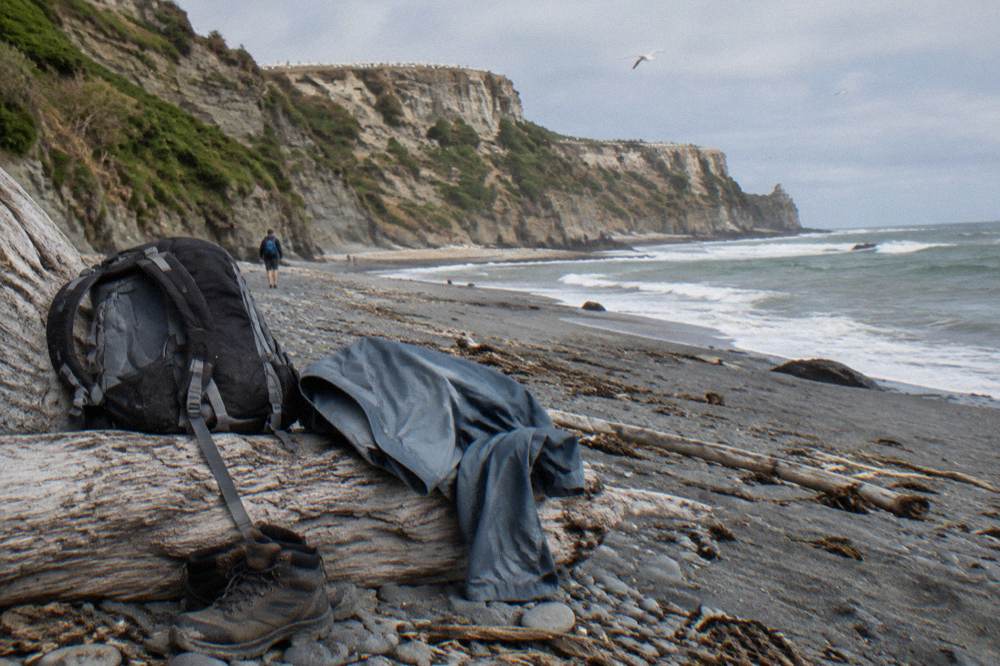
Whether you end up walking or riding, the colony is the same remarkable thing: DOC puts it at 6,500 pairs of Australasian gannets, birds with a wingspan of about 1.8 m that lay a single egg and incubate it on their webbed feet, whose fledglings fly about 2,800 km across the Tasman Sea to Australia and typically return in their third year. Deciding between the two ways of reaching it is easier with a side-by-side, and the comparison in Cape Kidnappers walk versus overland tour lays out the trade-offs in full.
For a reader whose appetite runs further than one cliff, this site, Napier Gannet Tour, covers the whole picture: the seasons, the tide rules, what to wear and how the private tours work. The selection below pulls together the three options most people choose between when the walking track is off the table.
Common Questions About The Cape Kidnappers Walk
Is The Cape Kidnappers Walk Closed?
Not permanently. The track from the beach to the plateau colony closes from July to the week before Labour Weekend each year, and the beach can close at short notice because of high tides, big seas or landslide risk. DOC says the status of the track can change at any time, so check its safety alert before going.
Can You Walk To Cape Kidnappers In Winter?
Only the beach itself, and only around low tide. For walkers, the plateau track is closed from July to the week before Labour Weekend, so close-up viewing during the closure is at Black Reef only. The overland tours reach the plateau from 1 August. The overland tours run from 1 August and are not tide-dependent.
Does The Clifton Road Closure Stop The Walk?
No. Hastings District Council closed a section of Clifton Road to vehicles at the former campground in August 2026, but pedestrian access to Clifton Beach and the Cape Kidnappers walking route stays open. The change mainly affects parking and the bike route, not the walk itself.
Is The Beach Walk Dangerous?
DOC grades it Expert, and about 7 km runs beneath cliffs subject to significant landslide risk, with large landslides reported every year. A landslide seriously injured two tourists in January 2019. Before the walk, check the safety alert on the DOC page for Cape Kidnappers and follow any closure notice as final.
What Can You Do If The Walk Is Closed?
Take an overland tour. The standard 3 hour tour runs from $56.23 per person, rated 4.9 across 1,052 reviews, and reaches the plateau colony across private farmland above the cliffs, so it is unaffected by the beach track, the tides and the seasonal closure, running 1 August to 30 April.
Do The Tides Ever Close The Whole Beach?
Effectively, yes, twice a day. The walk is possible only around low tide, high tides and big seas block the beach, and you must leave the Cape no later than 1.5 hours after low tide. Check the tide table before going and build the 5 hour return walk around the safe window.