Can You Drive To Cape Kidnappers Gannet Colony?
No, you cannot drive yourself to the Cape Kidnappers gannet colony. Self-drive gets you to Clifton, and the overland tours cross private farmland to the plateau. Here is what that means for your trip.
No, you cannot drive yourself to the Cape Kidnappers gannet colony. Public roads end well before the birds, and vehicles are not permitted off the beach into the reserve. What you can do is drive about 25 minutes from Napier to Clifton, park at the tour base at 396 Clifton Road, and ride the overland tour across the private farmland to the plateau colony. If mobility is a concern before you book the overland tour, the guide to wheelchair access on the Cape Kidnappers gannet tours covers the terrain, vehicle boarding, and the right questions to ask.
The confusion is understandable, because the answer has two halves. Driving to the gannet colony itself is not possible in your own vehicle, because the plateau where the best viewing happens sits on private land inside a working farm of roughly 2,500 hectares, reached by a 4WD track across that farmland and through native bush. Since a guided tour is the only way onto the farmland track, the full breakdown of Cape Kidnappers tour durations helps you choose the option that best fits your schedule.
The Department of Conservation is explicit about the boundary: the reserve rules prohibit motorbikes and vehicles off the beach into the reserve, and the track from the beach up to the plateau colony is closed each year from July to the week before Labour Weekend to limit disturbance to returning birds. The overland tours do not break these rules, they satisfy them, because they travel on an established route across private farmland with permission, above the cliff tops rather than along the beach. DOC describes that overland route as the lower-risk option compared with beach transport.
So the drive question becomes a parking question, and the parking question has a clean answer. Two of the tours covered here meet you at the base at 396 Clifton Road, Te Awanga, and one of them, the 3-Hour Tour, Meet at Base version, offers hotel pickup as an optional add-on at booking if you would rather not drive yourself. The choice between them is mostly a choice about whether you want the wheel yourself for the first leg.
How Close Can You Actually Drive To The Gannets?
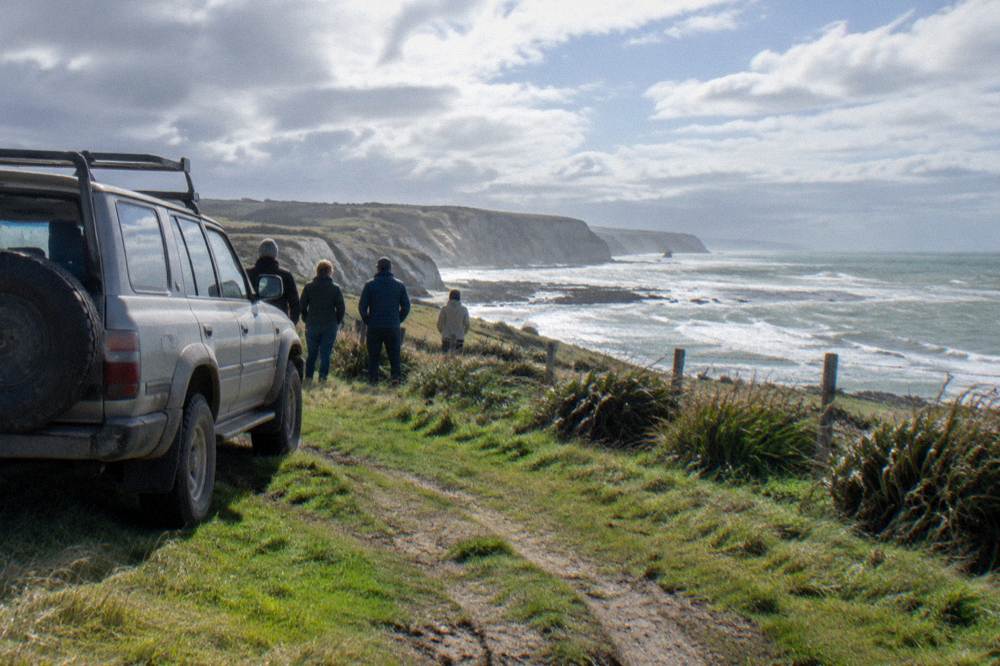
The closest public driving point is Clifton, at the end of Clifton Road, where the operator's base sits at number 396. From that car park the colony itself is still several kilometres away across private farmland. There is no public road, no lookouts reachable by car, and no car park at the plateau. The gap between road's end and the birds is exactly what the overland tour exists to cover.
This is worth stating plainly because satellite maps can mislead. The map shows the colony, and the map shows roads near it, and a reader could reasonably conclude a short drive plus a short stroll gets you there. It does not. The final approach crosses Cape Kidnappers Station, a working farm with a predator-proof fenced conservation area, and access is managed: the overland tours run on it, walkers use the beach route under tide constraints, and no one drives their own vehicle in. Dogs are not allowed anywhere in the wildlife sanctuary, horses and motorbikes are prohibited, and visitors must keep to the track through private land.
- Standard Overland Gannet Tours$55
- Cruise Shore Excursions$93
- Private And Sunrise Tours$604 per group
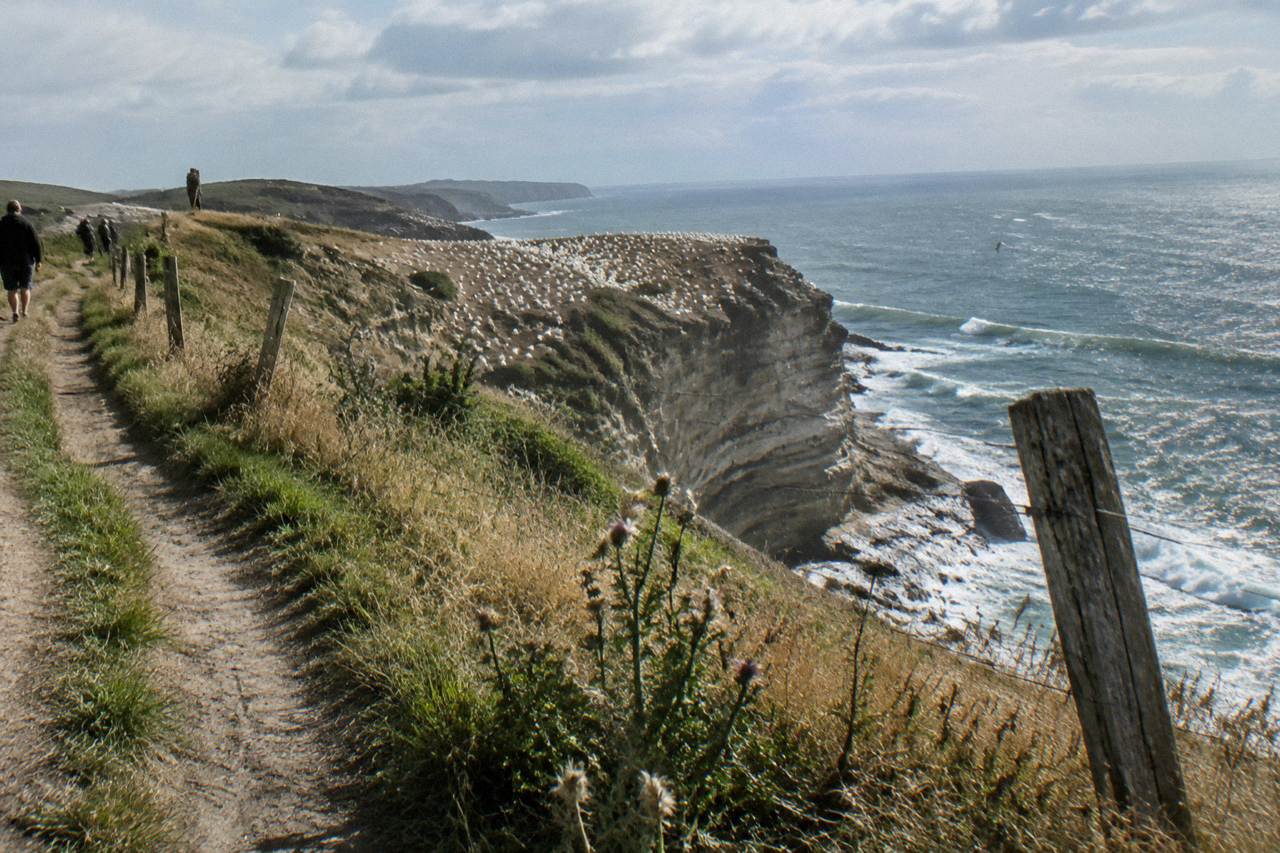
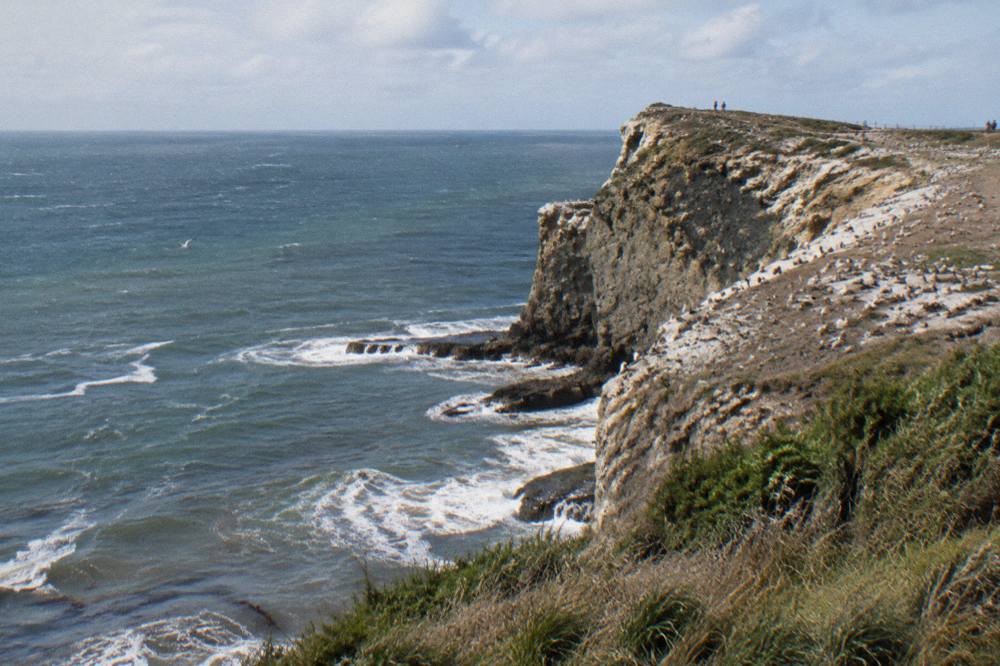
The other thing the map does not show is the cliff hazard. About 7 km of the beach below the colony lies under cliffs subject to significant landslide and rockfall. A landslide seriously injured two tourists in January 2019, and a large landslide in February 2020 closed the beach for a period before the track reopened. DOC reports large landslides in the area every year and says the status of the track can change at any time, so anyone considering the walking route should check the safety alert on the DOC page before setting out. The overland route, travelling above the cliff tops, is not exposed to that same beach hazard, and the operator notes the tours are not governed by the tides.
One recent change matters to anyone driving to Clifton as a walker rather than a tour passenger. Clifton Motor Camp, at the Clifton end of the road, was closed in February 2026 after a geotechnical assessment found unstable land above it, was permanently closed in July 2026, and in August 2026 Hastings District Council voted to close a section of Clifton Road to vehicles at the former campground. Pedestrian access to Clifton Beach and the walking route remains open, and the tour base further up Clifton Road is a separate site. Walkers and bike riders should simply expect changed parking and access arrangements at the beach end. More background on the walking option is in the Cape Kidnappers walk guide.
Where Do The Overland Tours Start From?
The standard 3-Hour Tour starts at 396 Clifton Road, Te Awanga, where the operator's base has bathrooms, a large off-road car park and space for motorhomes. Hotel pickup is an optional extra on the meet-at-base 3-hour tour, added at booking. Private versions start at your accommodation or at the Clifton Road base, and cruise shore excursions start at 100 Marine Parade in Napier, next to the i-SITE.
Those start points are the practical map for any driving plan. Drive to Te Awanga or Clifton and you are roughly 25 minutes from Napier, and about the same from Hastings and Havelock North. The base is the last place with proper toilets, and the operator is direct about that: there are no toilets on the tour itself, so use the good bathroom facilities at the base before departure. Tea, coffee and a biscuit are served at the colony during the visit.
The start points also split the nine tours covered here into clear families, and the table below shows where each driving scenario leaves from. Prices are per person unless marked per group.
| Tour | Starts at | Drive needed | Price basis |
|---|---|---|---|
| 3-Hour Tour, Meet at Base | 396 Clifton Road, Te Awanga | Self-drive to base, or add hotel pickup at booking | From $56.23 per person |
| 3-Hour Tour, Lowest Price | 396 Clifton Road, Te Awanga | Self-drive to base | From $55.00 per person |
| Private 4-Hour Tour | Check the booking page | Check with the operator when booking | From $704.30 per group, up to 4 |
| Private 4-Hour, Pickup Included | Your accommodation | None, pickup and drop-off included | From $688.00 per group, up to 4 |
| 4-Hour Shore Excursion to Cape Kidnappers, 45-Minute Stop | 100 Marine Parade, Napier | None, take the free ship shuttle to the i-SITE | From $95.42 per person |
Note the group basis on the private rows: a per-group price for up to four travellers cannot be compared with a per-person fare without saying so, and this article does not average or convert them. Between the two per-person 3 hour tours, the Meet at Base version is from $56.23 with 1,052 reviews behind it, and the 3-Hour Tour, Lowest Price is from $55.00 across 378 reviews and meets at 396 Clifton Road, Te Awanga.
Can You Drive From Napier To The Gannet Colony?
Yes, you can drive from Napier to the start of the tour in about 25 minutes, but not to the colony. The route runs south out of Napier through Te Awanga to Clifton, ending at the operator's base at 396 Clifton Road. From there the remaining distance to the plateau colony is covered by the overland tour vehicle, not by your car.
The drive itself is a pleasant one, along the Hawke's Bay coast through wine country, and it is the same 25 minute ballpark from Hastings and Havelock North, which makes the base convenient from most of the region's accommodation. Hawke's Bay Airport serves Napier for visitors flying in, and a rental car works fine for the first leg, since the destination is a farm base with off-road parking rather than a remote trailhead. Motorhomes are catered for with space for several vehicles.
What the drive does not remove is the need for a booking. Arriving at the base without a seat on a tour leaves you at a car park with a view of farmland, not gannets. The 3-Hour Tour, Meet at Base version is the direct fit for self-drivers: from $56.23 per person, rated 4.9 across 1,052 reviews, roughly 3 hours in total, with transport by air-conditioned minivan and coffee or tea included. Hotel pickup is an optional add-on chosen at booking, otherwise you meet at the start. Free cancellation applies up to 24 hours before the tour starts. Full detail on the operator is in the Gannet Safaris overland tour review.
If you would rather not drive at all, the 3-Hour Tour, Meet at Base from $56.23 per person offers hotel pickup as an optional extra, chosen at booking. It is rated 4.9 across 1,052 reviews. The meeting point is 396 Clifton Road, Te Awanga, and the outing runs about 3 hours in an air-conditioned vehicle with coffee or tea. The operator notes that walking is not required at the colony, with a jacket advised. It is not offered to cruise passengers, who have their own dedicated excursions.
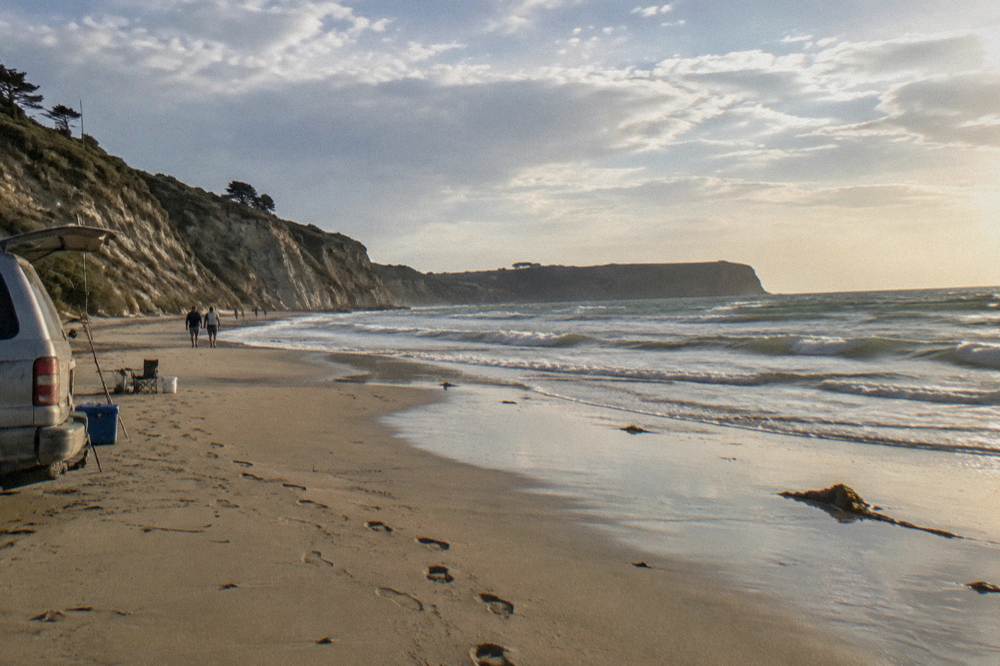
Can You Park At Clifton And Walk To The Gannets Instead?
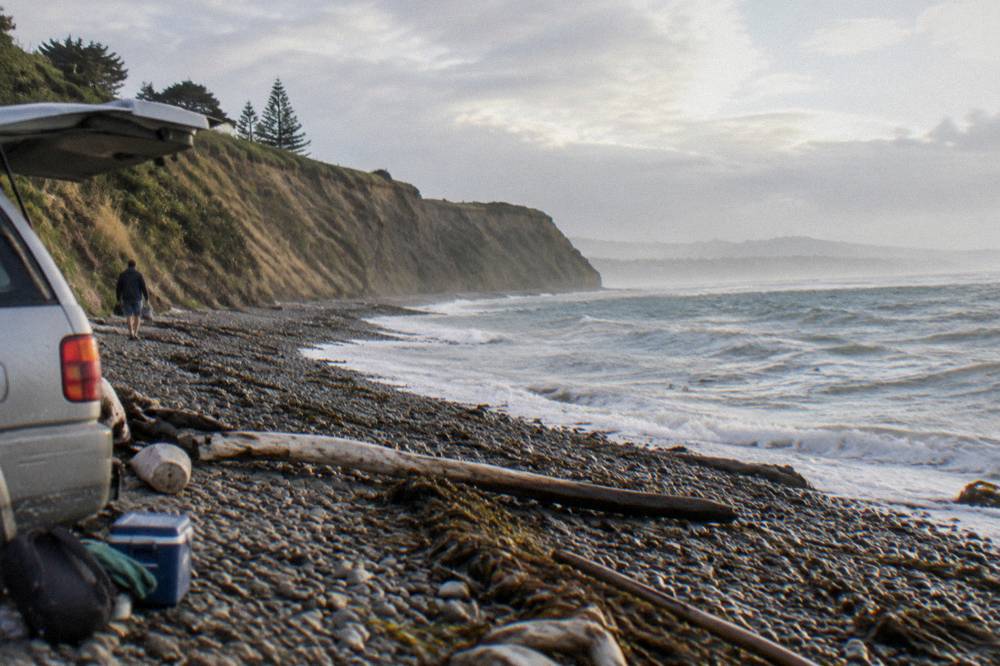
Yes, walkers park at Clifton and use the beach route, but it is a serious undertaking, not a stroll from the car. DOC grades the walk Expert: 19 km return with at least 5 hours to allow, possible only around low tide, and the first nesting site, Black Reef, is 7.5 km from Clifton. A steep, rough, muddy climb of about 1 km then leads toward the second colony.
The beach walk is possible only around low tide, high tides and big seas block the beach, and walkers must leave the Cape no later than 1.5 hours after low tide. The tide table needs checking before going, and DOC advises carrying sturdy footwear, food and water, sunscreen and hats, extra clothing, a water and windproof jacket, gloves, a head torch and a communication device. The area is also susceptible to tsunami, and a siren or alert means moving to higher ground.
Access at the Clifton end has changed recently, as covered above: the former motor camp is permanently closed and a section of Clifton Road at that point is closed to vehicles, though pedestrian access to the beach and the walking route stays open. Walkers should plan around that and check signage on the day. Hastings District Council says Clifton beach is open but may close if there is unstable activity.
The key comparison for a driver is time and effort. The overland tour covers the distance in a 4WD vehicle across the farm, delivers you to the plateau that DOC calls the best place to view nesting gannets, and needs little or no walking, though guests do need to be able to get on and off the vehicle unaided. The walk takes most of a day, depends on the tide, and passes under landslide-prone cliffs for kilometres. The walk versus overland comparison breaks this down side by side, and the tide constraints are covered in full in the Cape Kidnappers tide times guide.
Do You Need A 4WD Vehicle To Reach The Plateau Colony?
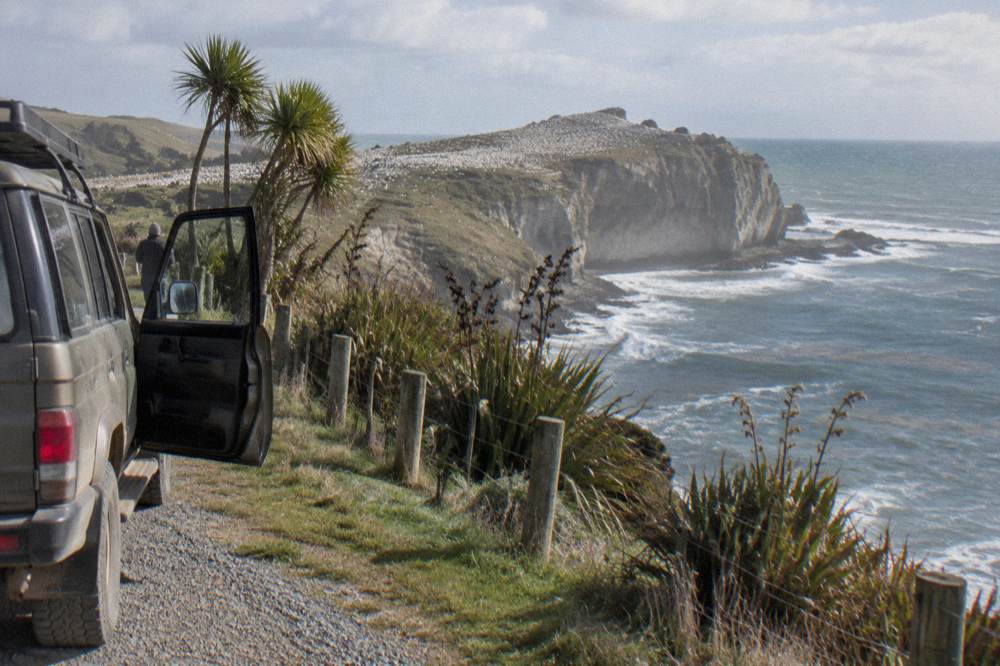
No private vehicle of any kind reaches the plateau colony, 4WD included. The 4WD track across Cape Kidnappers Station is the tour operator's route, not a public road, and driving it requires access permission across private farmland. If you want the clifftop approach to the colony, the vehicle you travel in belongs to the tour, not to you.
That distinction trips up visitors who have done 4WD trips elsewhere in New Zealand and assume a rental with capability equals access. Capability is not the barrier, permission is. The land is a working farm with a predator-proof fenced conservation area, and unauthorised tracks across it would damage both the farm operation and the reserve. DOC's rules for the reserve are blunt on the neighbouring case too: no motorbikes and no vehicles off the beach into the reserve.
The tour experience is built around that vehicle, and the operator describes the plateau itself as flat ground with bench seats, where walking is safe and easy, and where everything can also be seen from the vehicle without getting out. Tea, coffee and a biscuit are served at the colony. The vehicle family varies by tour: the 3-Hour Tour, Lowest Price at $55 per person (4.8 across 378 reviews) meets at 396 Clifton Road, Te Awanga and travels in air-conditioned transport, with no walking required and a jacket advised, while one of the cruise shore excursions lists a 4WD safari vehicle among its inclusions, a 4 hour tour from $93.00 per person starting at the pink flag area in front of the Sound Shell on Marine Parade.
For travellers who like the sound of the farm crossing but want it to themselves, the private versions run the same terrain on your own schedule. The Private 4-Hour Tour is from $704.30 per group for up to four, with 45 minutes at the colony per the itinerary, coffee or tea included, and free cancellation up to 24 hours before start. Check the operator's booking page for the start point. The Private 4-Hour, Pickup Included version is from $688.00 per group for up to four and collects you from your accommodation, which removes the driving question entirely.
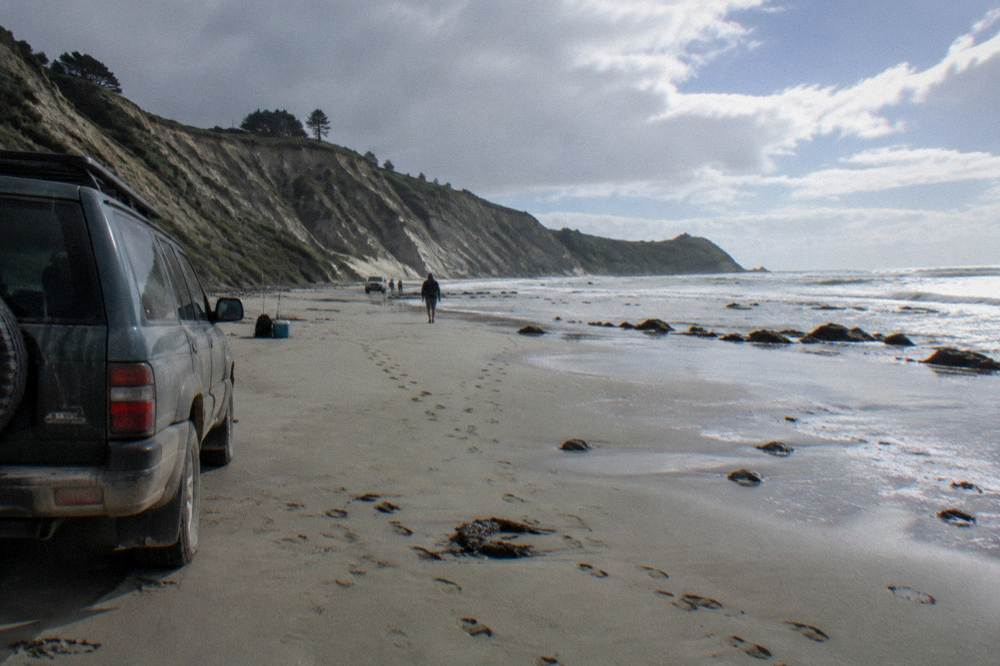
Can Cruise Passengers Drive To The Gannet Colony?
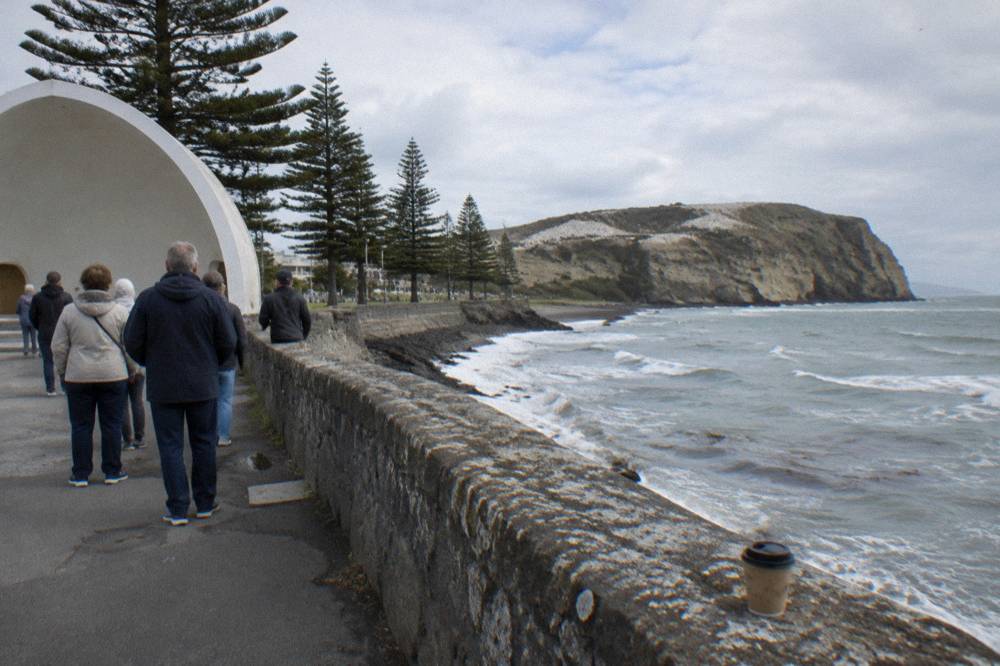
In practice, no. Cruise passengers cannot walk out of the Napier port, taxis cannot enter the port, and a self-drive plan does not survive those two facts on a port day. The workable option is the shore excursion built for the ship schedule: a 4 hour tour meeting at 100 Marine Parade, 200 m from where the cruise shuttle drops at the Napier i-SITE.
The port mechanics explain why. Passengers walk down the gangway onto the wharf and a shuttle runs to two stops, the Napier i-SITE at 100 Marine Parade and the National Aquarium of New Zealand, with the return shuttle leaving from the i-SITE. There is no rental car counter you can reach on foot, and no taxi access into the port, so the standard 3 hour tours, which are not designed for cruise passengers, are off the table timewise as well as logistically.
The dedicated shore excursion is from $95.42 per person, roughly 4 hours total with 45 minutes at the colony per the itinerary, travelling by air-conditioned vehicle with coffee or tea included, for up to 40 travellers. It meets opposite the Napier Museum, a 200 m walk from the shuttle drop, and on some ship days the operator collects passengers directly from the port because of short port times, with departure time set per ship. A second 4WD shore excursion runs from $93.00 per person, 4 hours return from Napier with roughly 25 minutes each way by coach, hot drinks included, meeting at the same Marine Parade flag area. Because departure times follow the ship, check the ship's all-aboard time against the tour's 4 hour length before booking. The full picture is in the Napier shore excursion gannets guide.
What About Reaching The Colony Without A Car Or A Tour Vehicle?
Three car-free routes exist: the overland tour with hotel pickup, the DOC beach walk from Clifton, and two other operators' products, a self-guided fat-bike ride and a tide-dependent beach tractor ride. Each trades money or effort for the drive. The bike ride runs 3.5 to 4 hours and needs at least intermediate fitness; the tractor ride depends on tides and its own schedule. For help deciding between pedaling there yourself and riding along on a guided trip, the Cape Kidnappers bike versus guided gannet tour comparison weighs route, fitness demands, tides, safety and cost.
The bike option, Gannet Bikes, is a separate operator running a self-guided fat-bike ride from 475 Clifton Road, taking 3.5 to 4 hours in total, requiring at least intermediate fitness, with bike, helmet, spare tube, pump and map supplied and a short walk to the plateau colony at the end. The beach tractor-trailer ride, Gannet Beach Adventures, runs along the beach from Clifton and is tide-dependent; readers should check its own site for whether and when it runs, as its status is not confirmed here. Neither carries a price in this article. Bike riders and walkers share the changed access at the Clifton end described earlier, and there is a DOC rest shelter with toilets a short way up the track from the beach end, with no drinking water.
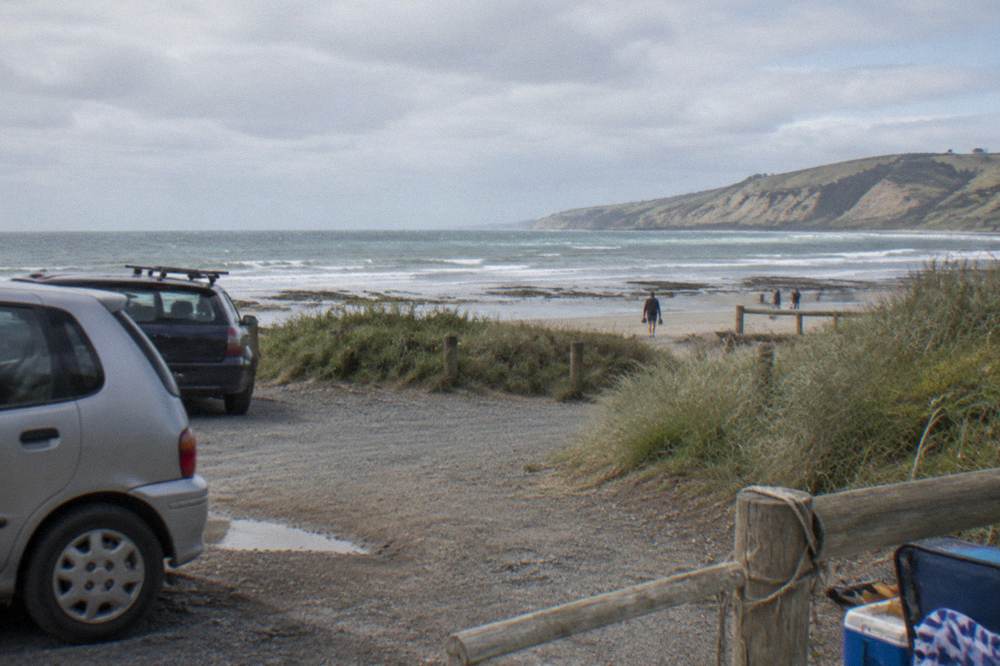
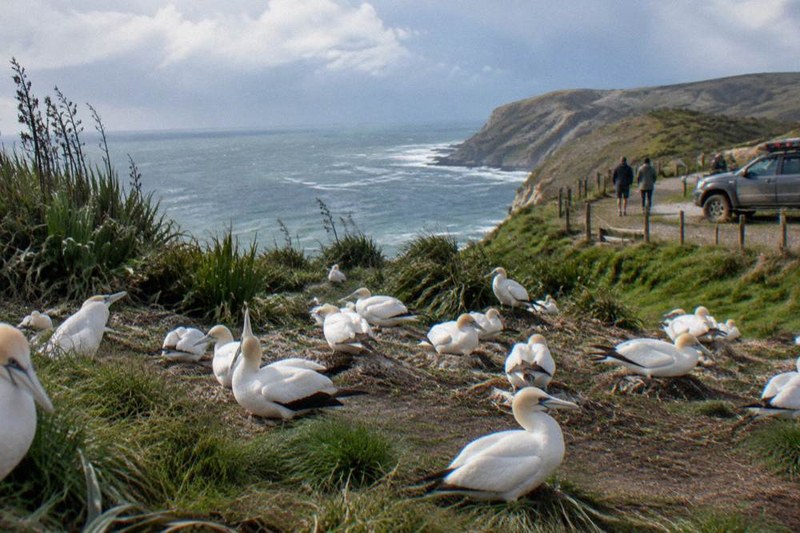
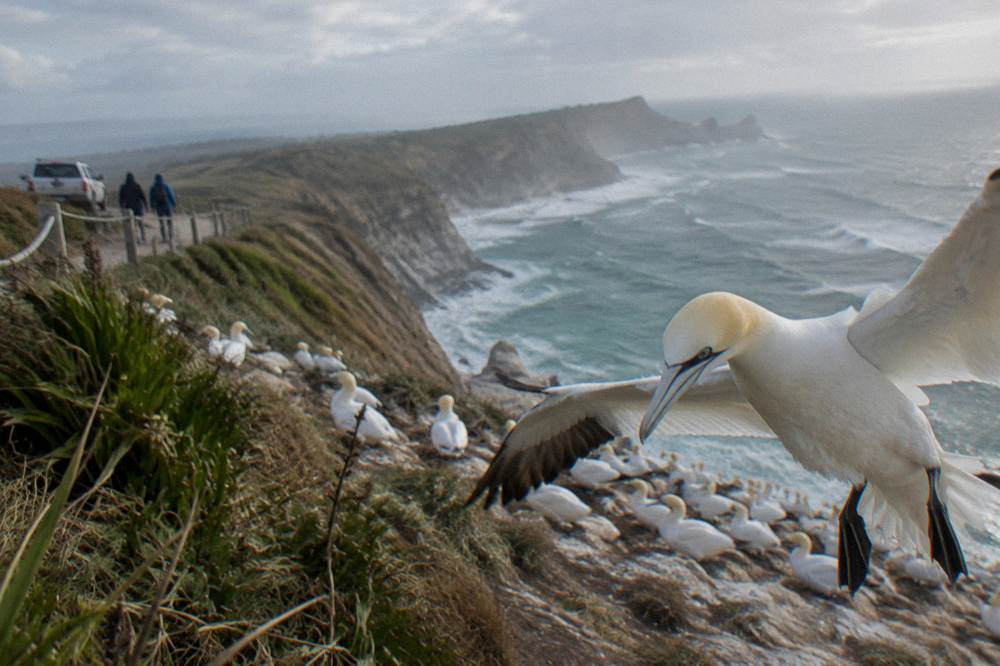
The colony itself rewards whichever approach you take. DOC puts the population at 6,500 pairs and calls it the largest and most accessible mainland gannet colony in the world, with the birds nesting at the cape since the 1870s. Australasian gannets have a wingspan of about 1.8 m, lay a single egg that both parents incubate on their webbed feet, and pairs stay together over many seasons. Young birds make a Tasman Sea crossing of about 2,800 km to Australia and typically return in their third year. Best viewing runs early November to late February, and the tours themselves operate 1 August to 30 April, including Christmas Day. Around the plateau, keep behind barriers or at least five metres from nesting gannets, and note that drones on conservation land need a DOC permit. More on the birds is in the Australasian gannet guide.
Which Driving Plan Suits Which Traveller?
Self-drivers staying in the region should book the Meet at Base 3 hour tour and enjoy the 25 minute coastal drive. Pickup is folded into the price only on Private 4-Hour, Pickup Included ($688 per group up to 4) and 3-Hour Sunrise, Pickup Included ($604 per group up to 4), plus the winery combo. Meet at Base sells pickup as an optional extra. Cruise passengers take the 4 hour Marine Parade shore excursion.
The decision is mostly about the first leg, because every option above ends in the same vehicle crossing the same farmland to the same plateau. A few practical notes sharpen it. The Meet at Base tour is not wheelchair accessible though it is pushchair accessible, allows service animals, and offers hotel pickup as an optional add-on at booking. The 3-Hour Tour, Lowest Price notes that a jacket is advised and that walking is not required, a genuine comfort for travellers with mobility limits, though the ability to get on and off the vehicle unaided is still needed on any of them. The Napier Gannet Tour homepage compares the current options in one place.
Seasonality matters as much as the driving plan. The tours pause over winter, running 1 August to 30 April, so a visit in the shoulder months of August or April sees the colony but with thinner bird activity than the early November to late February peak. The DOC plateau track is closed from July until the week before Labour Weekend, and the best viewing window DOC cites runs from early November to late February.
Common Questions About Driving To Cape Kidnappers
Can You Drive To Cape Kidnappers Gannet Colony?
No. Public roads end at Clifton, vehicles are not permitted off the beach into the reserve, and the plateau colony sits on private farmland. You can drive about 25 minutes from Napier to the tour base at 396 Clifton Road, then take the overland tour across the farm to the birds.
How Far Is The Drive From Napier To The Cape Kidnappers Tour Base?
About 25 minutes from Napier to Clifton and the operator's base at 396 Clifton Road, Te Awanga, and roughly the same from Hastings and Havelock North. The base has a large off-road car park with room for several motorhomes and good bathroom facilities.
Can You Park At Clifton And Walk To The Gannets?
Yes. Walkers use the beach route from Clifton, but DOC grades it Expert: 19 km return, at least 5 hours, possible only around low tide, with high tides and big seas blocking the beach. Walkers must leave the Cape no later than 1.5 hours after low tide and check the tide table before going.
Do The Overland Tours Depend On The Tides?
No. The operator says the overland tours are not governed by the tides because they travel above the cliff tops, on a route across private farmland. Only the beach walking route, the bike ride and the beach tractor ride are tide-dependent.
Is There A Tour That Picks You Up So You Don't Need To Drive?
Yes. Hotel pickup is an optional add-on on the 3-Hour Tour, Meet at Base (from $56.23 per person, 4.9 across 1,052 reviews); the $55.00 Lowest Price tour has no pickup and meets at the Te Awanga base. Private tours from $688.00 per group for up to four also include hotel pickup and drop-off.
When Do The Cape Kidnappers Tours Run?
Tours run 1 August to 30 April, including Christmas Day. DOC says the best viewing is early November to late February, and the beach-to-plateau track is closed from July to the week before Labour Weekend each year.