What To Wear On A Cape Kidnappers Gannet Tour
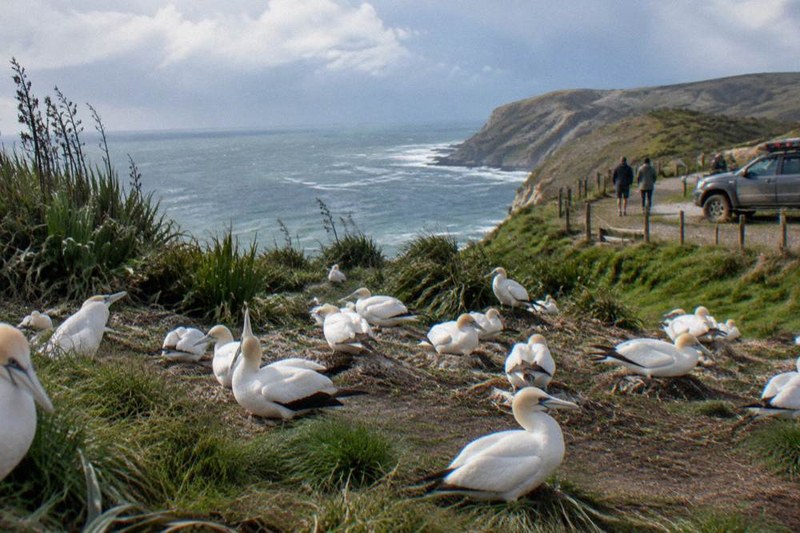
The gannet plateau sits on an exposed cliff top above the Hawke's Bay coast, and the wind there behaves like a second season. Here is what to wear, for every month of the August to April tour year.
Short answer
Wear layers: a warm mid-layer under a wind and waterproof jacket, long trousers, sturdy enclosed shoes, a sun hat and sunscreen. The Department of Conservation advises extra clothing for cool sea breezes even in summer, and the tour operator advises bringing a jacket year round. Tours run from 1 August to 30 April, from $55 per person.
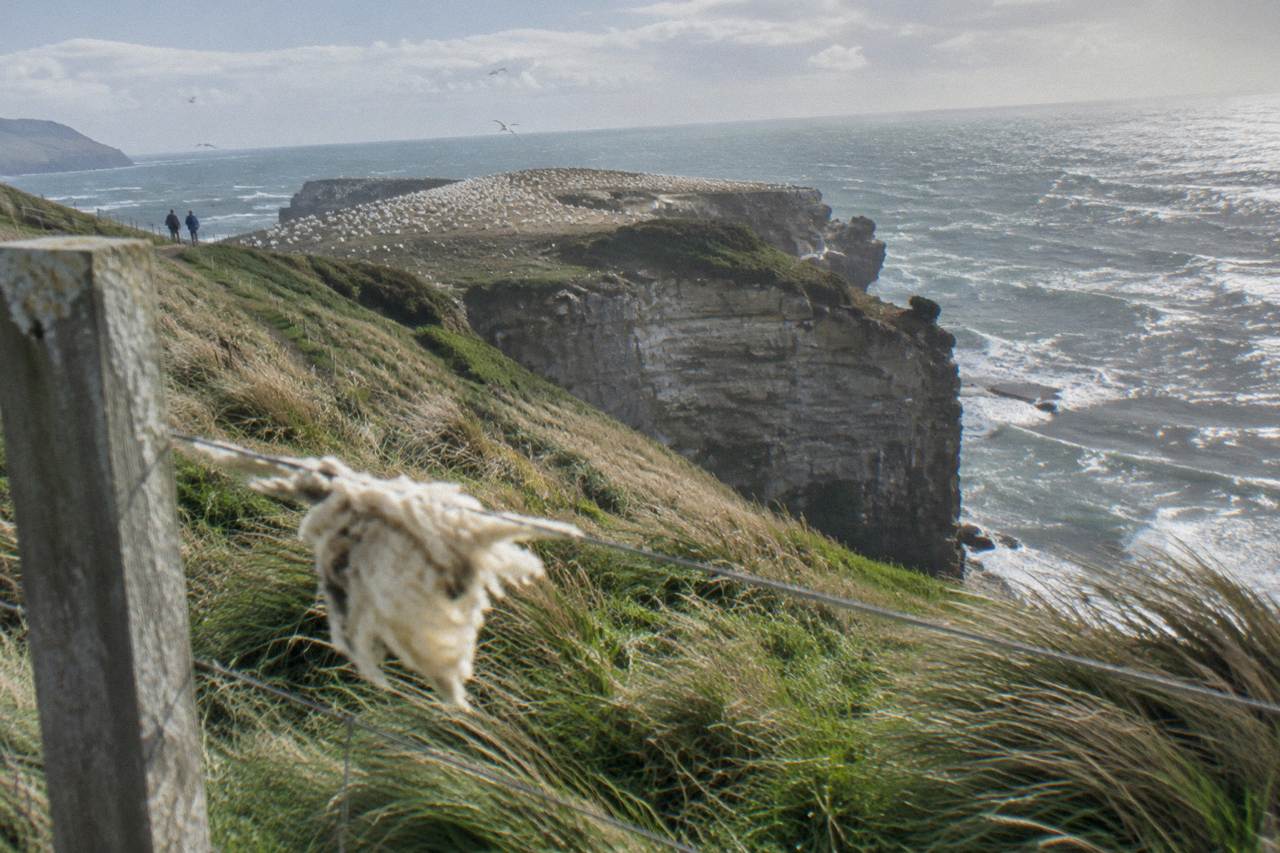
The gannet colony at Cape Kidnappers sits on a plateau above the cliffs at the southern end of Hawke's Bay, and almost every piece of clothing advice about the place comes down to one fact: it is windy, and the wind comes straight off the South Pacific. The Department of Conservation, which manages the reserve the birds nest in, tells walkers to carry extra clothing for cool sea breezes. The tour operator advises a jacket on its 3-hour sightseeing tour.
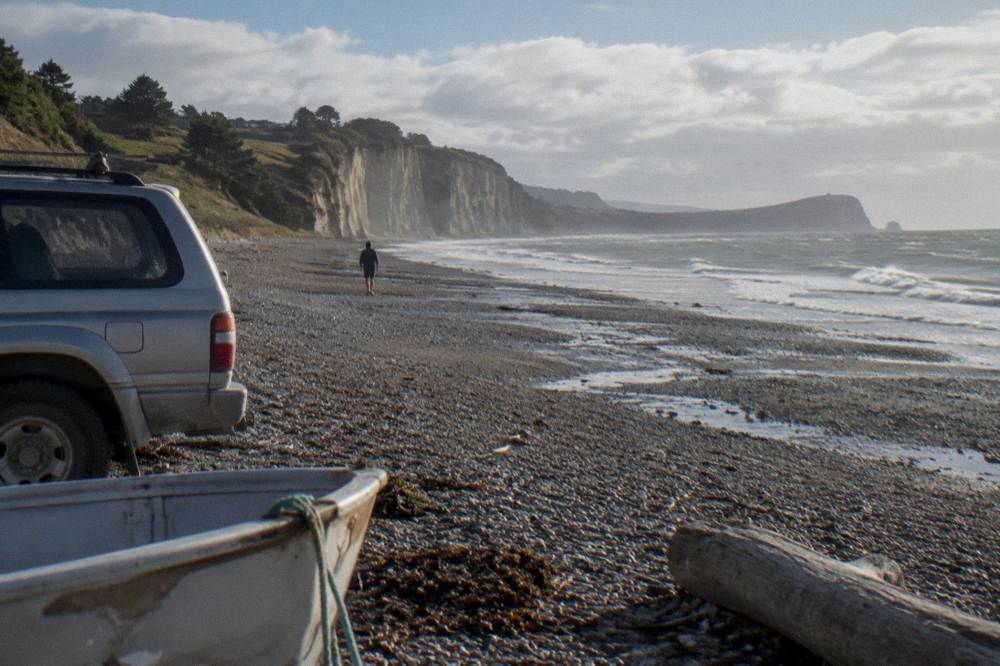
This guide is for the overland gannet tours, the 4WD trips that cross a working farm to a privately owned nature reserve above the cliffs. Those tours run from 1 August to 30 April, they are not governed by the tides because they travel above the cliff tops, and they need almost no walking: the operator says everything at the plateau can be seen from the vehicle without getting out. That changes the clothing question completely compared with the 19 km return beach walk, which DOC grades Expert and tells people to attempt only around low tide with sturdy footwear, food, water and a head torch. If you are on a vehicle tour, you are dressing for wind and sun, not for a tramp. For a fuller rundown on layers, footwear and sun protection, the gannet colony tour packing checklist covers exactly what belongs in a day bag.
The full clothing picture also depends on when you go. Adults return to the cape from around July for courtship and nest building, and DOC says the best viewing runs from early November to late February. A November morning and a February afternoon ask different things of your wardrobe, and the sections below work through each of them, month by month and layer by layer.
What Should You Wear On The Overland Gannet Tour?
Dress as if for a windy coastal day in the season you are visiting, not for a hike. A base layer you are comfortable in, a warm mid-layer such as a fleece, and a water and windproof jacket on top cover every month of the tour year. Long trousers beat shorts on the plateau, where the wind finds bare skin quickly, and enclosed shoes are the sensible choice even though little or no walking is required.
The reasoning is simple. The vehicle is air-conditioned and comfortable, and the drive across the roughly 2,500 hectare working farm takes you up to exposed ground where there is no shelter. The operator describes the plateau itself as flat ground with bench seats, safe and easy to walk on, but flat and open also means the breeze hits you at full strength. On a calm Hawke's Bay morning that is pleasant. On a fresh southerly it is genuinely cold, and a summer t-shirt alone will not carry you through your time at the colony.
- Standard Overland Gannet Tours$55
- Cruise Shore Excursions$93
- Private And Sunrise Tours$604 per group
Layering matters more than warmth, because the temperature swings between the vehicle, the drive and the plateau. A fleece or similar mid-layer under a jacket lets you take one off when the sun comes out and put it back on when the wind picks up, which on this coast can happen twice in an hour. A jacket that blocks both wind and light rain is the single most useful item on the list, since the same southwesterly that chills you can carry a shower in from the sea.
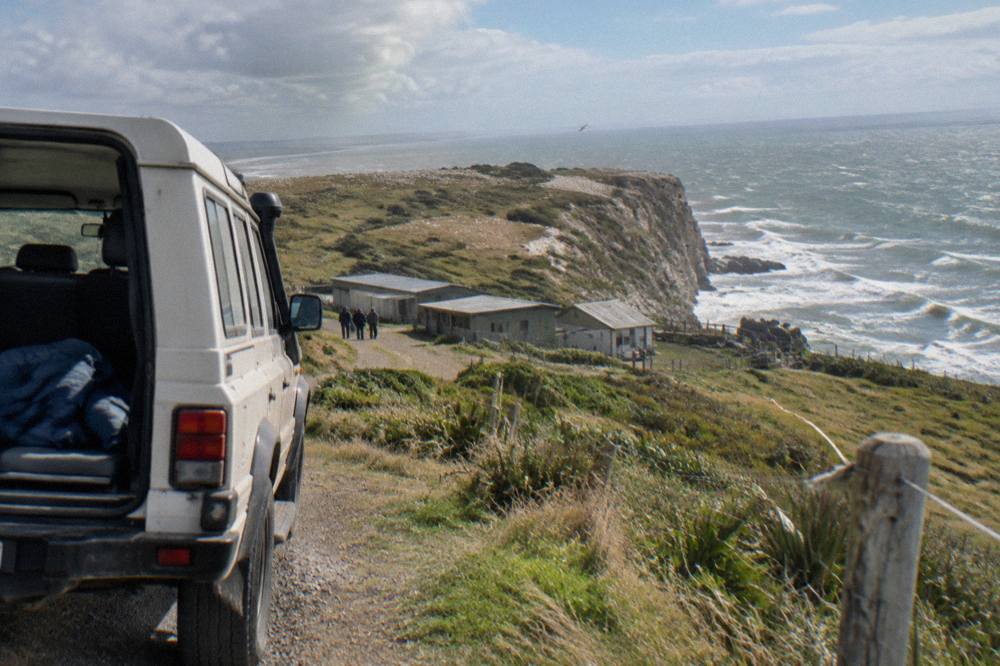
Long trousers are the comfortable choice on the plateau for two reasons. The bench seating and the ground around it are farm paddock, not lawn, and the wind on bare legs is more of a problem than most visitors expect. Jeans are fine, hiking trousers are fine, and anything you would happily wear on a windy picnic works here. There is no dress code, and the birds do not care what you wear.
How Cold And Windy Is Cape Kidnappers, Really?
The cape is often cooler and windier than town, in any month of the tour season. The colony stands on an open plateau at the top of cliffs facing the open Pacific, and DOC's own guidance for the area lists extra clothing for cool sea breezes alongside sunscreen and a hat, an unusual pairing that tells you the weather runs both hot and cold in a single visit.
Napier itself has one of the more benign climates in New Zealand, and visitors routinely set out in the morning dressed for the town forecast. The plateau is a different environment. It sits above the cliffs with nothing between it and the ocean. The difference between a sheltered Marine Parade morning and a windy afternoon at the colony is regularly enough to make people glad of a layer they almost left in the car.
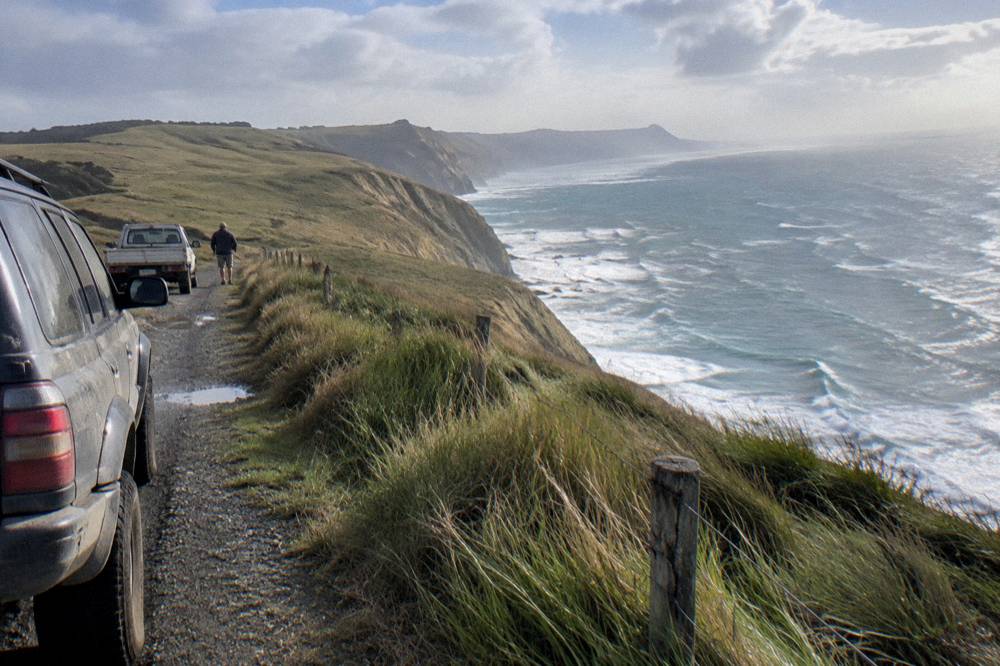
The seasonal spread matters too. Tours run from 1 August to 30 April, which means August and September departures happen in late winter conditions, while January and February departures happen at the peak of a Hawke's Bay summer. DOC's best viewing window, early November to late February, spans spring gales and settled summer heat alike. A single "wear this" answer would be misleading; a layering system answers all of it.
| Tour season | Typical conditions at the plateau | What that means for clothing |
|---|---|---|
| August to September | Late winter wind, cool at any hour | Warm mid-layer, beanie, gloves if you feel the cold |
| October to November | Spring changeability, showers possible | Full layering system, waterproof jacket |
| December to February | Warm to hot in the sun, breeze at the cliff | Sun hat, sunscreen, one warm layer for the wind |
| March to April | Cooling fast, shorter days | Warm layers back in the bag, jacket essential |
The one month nobody should plan around is July, when there are no tours at all and the track from the beach to the plateau colony closes until the week before Labour Weekend to limit disturbance to the returning birds. Adults start arriving from around July, so the season opener in August is courtship and nest building rather than chicks, and the weather that month is still wintry. If your itinerary is fixed to the school holidays or a cruise call between October and April, pack for the shoulder-season row of the table above rather than the summer one.
Weather questions around Hawke's Bay have their own depth, and the Cape Kidnappers weather guide works through wind, rain and what the forecast does and does not tell you. The clothing rule of thumb that survives every month: if you would be cold standing on a windy beach in what you are wearing, you will be cold at the colony.
Do You Need Special Footwear For The Gannet Tour?
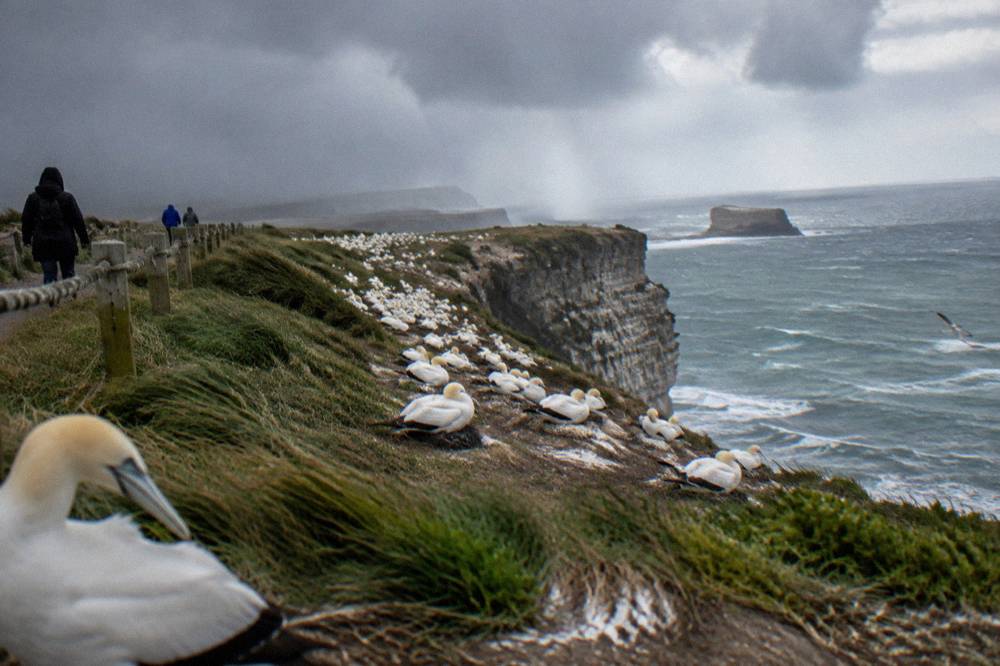
No, and that is the pleasant surprise for most visitors. The operator says the plateau is flat ground, that walking there is safe and easy, and that everything can be seen from the vehicle without getting out, so hiking boots are unnecessary. Enclosed everyday shoes, sneakers or any comfortable flat shoe are enough, because the only requirement is stepping on and off the vehicle.
That stands in sharp contrast with the beach walk, which DOC grades Expert and tells walkers to allow at least 5 hours for a comfortable 19 km return over sand, stones and a steep, rough, muddy climb of about 1 km to the second colony. Walkers need sturdy footwear by DOC's own instruction. Vehicle tour passengers do not, because the 4WD route crosses private farmland above the cliffs and finishes on flat paddock at the top. The operator's practical fitness line on the pickup tour is that walking is not required if you do not want to.
The one footwear note worth acting on: skip thin-soled shoes on wet days. The ground around the bench seating is a farm paddock, and after rain it can be soft underfoot. A shoe with a normal sole keeps that a non-issue. Jandals and heels both fail on this tour, not because of rules but because of comfort.
| Footwear choice | Verdict for the overland tour | Why |
|---|---|---|
| Sneakers or trainers | Ideal | Flat, enclosed, comfortable for standing at the plateau |
| Hiking shoes or boots | Fine but unnecessary | Built for the 19 km beach walk, not this |
| Jandals or heels | Not advisable | Farm gravel, vehicle steps, wind-blown dust |
If footwear is a live question because someone in your group has mobility considerations, the tour needs a guest to be able to get on and off the vehicle unaided, and the operator says everything can be seen from inside. The $56.23 tour is not wheelchair accessible, though pushchairs are, and most travellers can participate. The Cape Kidnappers tour fitness guide covers this ground in more detail than clothing allows.
Booking questions and packing questions tend to arrive together in the week before a trip, which is a reasonable moment to check what days still have space. Free cancellation applies up to 24 hours before the start on the tours covered here, so an early booking costs nothing to move if the forecast turns.
What Should You Pack Beyond Clothing?
Pack light: sun protection, a water bottle if you want one, a camera or phone, and any personal medication. Tea, coffee and a biscuit are served at the colony on the tour, so drinks are covered. There are no toilets on the tour itself; the last ones are at the operator's base at 396 Clifton Road, which the operator describes as having good bathroom facilities.
That last point changes more itineraries than any clothing tip. Arrive with enough time to use the bathrooms at the base before departure, especially with children. The base also has a large off-road car park with room for several motorhomes, so self-driving visitors are well catered for.
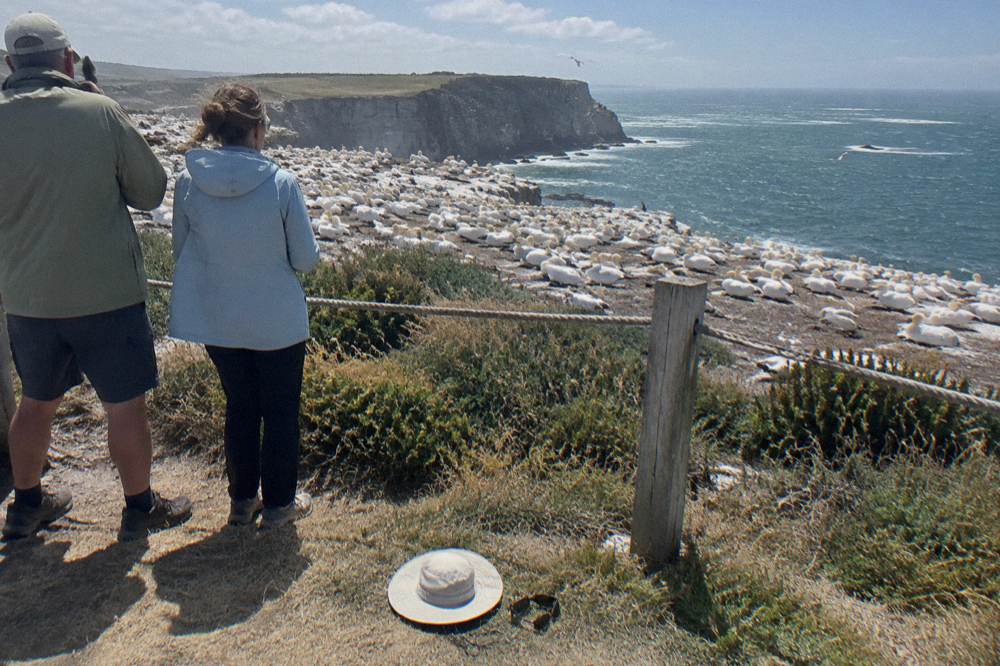
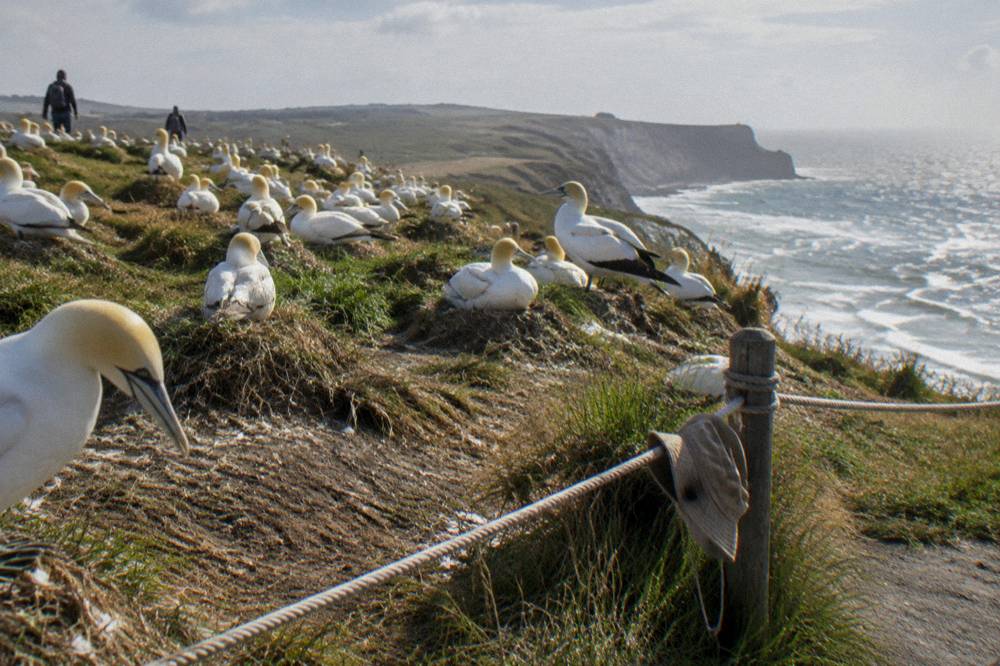
On the sun side, the plateau gives you a full horizon of sky with no shade at all. Sunscreen, a hat that stays on in the wind, and sunglasses are the second tier of the packing list after the jacket, and in high summer they are arguably the first tier. A hat that ties on or grips the head is worth choosing over a loose-brimmed one, because the breeze that makes the colony pleasant will take a floppy hat to the fence line.
| Item | Provided on the tour | Bring your own |
|---|---|---|
| Hot drinks and a biscuit | Yes, served at the colony | Water bottle if you want cold water |
| Toilets | At the base before departure | Nothing, just time your arrival |
| Shade or shelter | None at the plateau | Hat, sunscreen, sunglasses |
| Seating at the colony | Bench seats | Nothing |
| Rain and wind cover | None | Water and windproof jacket |
Cameras and phones need no special treatment, though a strap or zip pocket helps in the wind. Binoculars are unnecessary at the plateau, where DOC says close-up views of nesting gannets are possible and visitors are asked to keep behind barriers or at least five metres from the birds; the birds are close enough to fill a phone frame. The photography-minded will find more in the Cape Kidnappers gannet photography guide.
One packing rule is absolute rather than advisory: leave the drone behind. Drones on conservation land need a permit from DOC, and a gannetry in breeding season is exactly the situation the rule exists for. Dogs are not allowed either, since the reserve is a wildlife sanctuary. Nesting birds dislike loud noises and fast movement, so the packing ethos is quiet and unobtrusive.
Is Sun Protection Really Necessary In Hawke's Bay?
Yes, and DOC lists sunscreen and hats as standard kit for the Cape Kidnappers coast in every season. New Zealand's UV levels run high by world standards, the plateau has no shade for the full stop at the colony, and sea wind masks how much sun you are absorbing: the breeze keeps your skin feeling cool while it burns.
The wind-chill illusion catches visitors from gentler climates. On a 20-degree day with a stiff breeze, a t-shirt feels fine at the cliff edge and the sun is still doing full work on your face, neck and hands. Visitors from the Northern Hemisphere in particular tend to under-dose the sunscreen in New Zealand, and a 3-hour tour with an open horizon is a long, unshaded exposure. A broad-spectrum sunscreen applied before departure, reapplied if you are there across midday, plus a brimmed hat that survives wind, is the standard. More of these guides are collected on Napier Gannet Tour.
The one item worth repeating from the packing section: a hat that stays on. Caps work, bucket hats with a cord work, and wide-brim sun hats work only if they can be secured.
What Should Children Wear On The Gannet Tour?
Dress children in the same layering system as adults, one size warmer: a warm mid-layer, a windproof jacket, long trousers and enclosed shoes they can climb vehicle steps in. Pushchairs are allowed on the $56.23 tour, and the clothing question for kids is comfort and warmth at an exposed stopping point, not fitness or special gear.
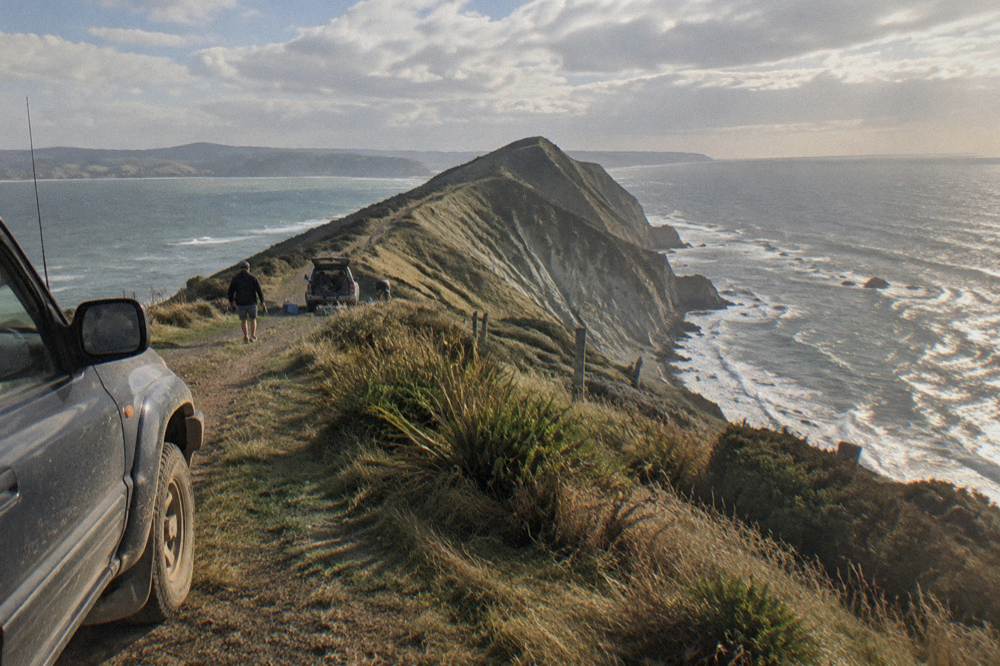
Children feel the plateau's wind faster than adults because they have more surface area for their weight and less patience for being cold. The trick that works is making the layers things they can manage themselves, a zip jacket rather than a pullover, a hat with a clip rather than a loose beanie. The bench seating and the birds hold most children's attention for the full colony stop, but only while they are warm.
Sensible additions for the youngest travellers: a small snack beyond the biscuit served at the colony, since tour timing can cross a nap or meal slot, and a warm layer held in reserve rather than worn, so the vehicle ride stays comfortable. The full picture on ages, pushchair access and how the tour plays with younger visitors is in the Cape Kidnappers tour with kids guide.
Families cruising through Napier between October and April face a tighter version of the packing question, since shore time is fixed and luggage stayed on the ship. The shore excursion runs 4 hours from the meeting point at 100 Marine Parade, opposite Napier Museum and about 200 m from where the cruise shuttle drops at the Napier i-SITE, so a windproof layer carried from the ship is the one item worth planning.
What Should You Not Wear Or Bring To The Colony?
Leave behind anything the wind can take and anything that disturbs birds: loose hats, umbrellas, drones and dogs. Umbrellas are worse than useless at an exposed cliff top, drones need a DOC permit on conservation land, and dogs are not allowed on the reserve at all. Loud noise and fast movement stress nesting gannets, so the dress code is quiet and calm.
The umbrella deserves its own sentence, because visitors reach for one in Napier rain and discover the plateau is the wrong planet for it. A hood or a jacket collar does the same job in any breeze. Beyond that, the not-bring list is short and mostly about respect for the reserve: no dogs or horses, no motorbikes or vehicles off the beach into the reserve, no fires or camping, and no getting closer than the barriers or five metres to nesting birds.
Jewellery and loose scarves are a minor version of the hat problem, and the farm drive adds its own note: light-coloured clothing picks up less heat in the sun but shows farm dust more, so nothing you would mourn over a smear. The operator's vehicle is air-conditioned, so the drive itself is comfortable in anything.
There is one clothing-adjacent question the signage answers better than any guide: the coast is susceptible to tsunami, and a siren or alert means moving to higher ground. Nobody plans a wardrobe for that, but knowing the instruction exists is part of visiting this coast responsibly.
Does The Tour You Book Change What You Wear?
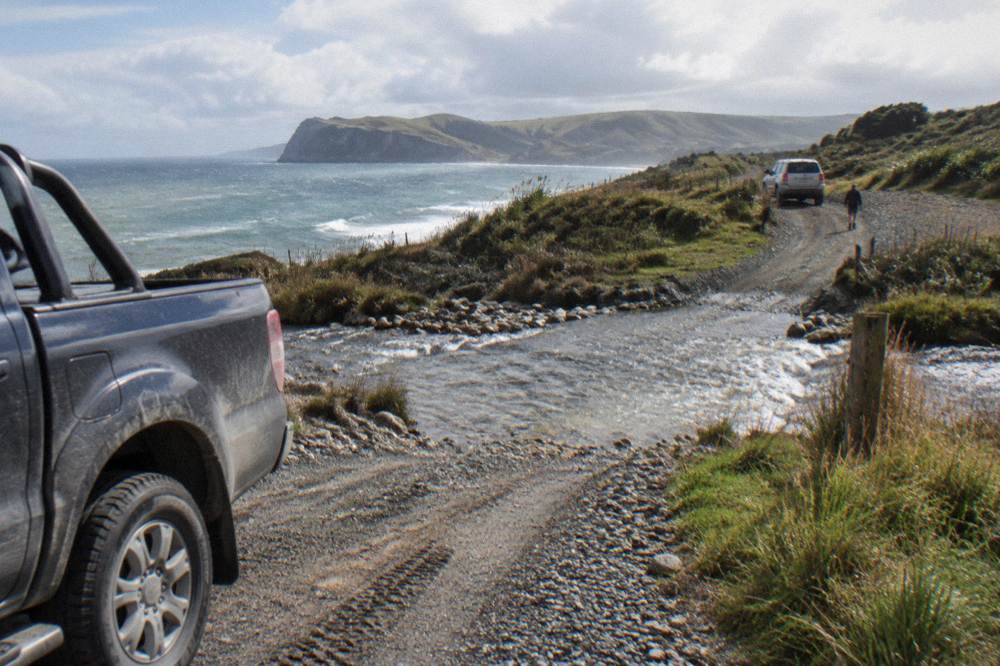
Only slightly, and mostly around departure time. The standard 3-hour tour, the private 4-hour tour and the cruise shore excursions all reach the same exposed plateau, so the layering system is identical; what changes is when you stand there, and sunrise and early morning slots run colder than midday ones at any time of year.
The sunrise tours are the clearest case. The Private Sunrise tour runs 3 hours from the base at 396 Clifton Road with a gourmet breakfast of pastries, fresh fruit and yoghurt, plunger coffee and juice served, and an early start at the cliffs means dressing for the coldest hour of the day in any month. Gloves, which DOC lists for walkers on this coast, earn their place on a sunrise tour even in January.
The private 4-hour tour adds a stated 45 minutes at the colony per its itinerary, which is longer standing in one exposed spot, so the warm layer matters more, not less. And the longer combinations change the day rather than the outfit: the private 7.5-hour winery and gannet day runs from about 8:30 am to 4:00 pm in a luxury Range Rover, crossing cliff top and vineyard in one trip, so sun protection earns equal billing with the jacket.
| Tour | Length | Dress emphasis |
|---|---|---|
| 3-Hour Tour, Meet at Base | 3 hours | Standard layering, sun kit in summer |
| 3-Hour Tour, Lowest Price | 3 hours | Same, with a jacket advised by the operator |
| 4-Hour Shore Excursion | 4 hours, 45 minutes at the colony | Warm layer from the ship, comfortable walking shoes for the meet point |
| Private 4-Hour Tour | 4 hours, 45 minutes at the colony | Full layering for a longer stand at the plateau |
| 3-Hour Sunrise Tour | 3 hours | Beanie and gloves, warmest layers of the day |
| Private 7.5-Hour Winery Combo | 7.5 hours | All-day kit: jacket, sun hat, comfortable shoes for vineyard stops |
Which Cape Kidnappers Tour Should You Book Before You Pack?
Book by pickup and party size, since every Cape Kidnappers tour wears the same clothes. Solo travellers and couples usually pick the standard 3-hour base tour from $56.23 per person, rated 4.9 across 1,052 reviews, or the Lowest Price 3-hour tour from $55.00 per person, rated 4.8 across 378 reviews, which meets at the same base, while families and groups of up to 4 choose the private 4-hour tour from $704.30 per group.
The pickup question is the practical divider between the two standard tours. The meet-at-base option starts at 396 Clifton Road, Te Awanga, about a 25 minute drive from Napier, with hotel pickup available as an optional add-on chosen at booking. 3-Hour Tour, Meet at Base (from $56.23) offers hotel pickup as an optional add-on chosen at booking, which removes the drive entirely and suits anyone staying in Napier without a car. Both serve tea or coffee, both run in air-conditioned comfort, and both reach the same bench seats at the plateau.
Whichever you choose, the packing list in this guide is finished the moment you close it: layers under a windproof jacket, enclosed shoes, a hat that grips, sunscreen, and nothing the wind or the reserve would object to. A planning pass over the full range of options, including the shore excursions for cruise days, sits in the Cape Kidnappers gannet colony tours overview, and the wider question of whether the trip earns its cost is worked through in the is the Cape Kidnappers gannet tour worth it review page.
Common Questions About What To Wear On A Cape Kidnappers Gannet Tour
Do I Need Hiking Boots For The Gannet Tour?
No. The operator says the plateau is flat ground, walking there is safe and easy, and everything can be seen from the vehicle without getting out. Sneakers or any comfortable enclosed shoes are enough. Hiking boots matter for the 19 km return beach walk, which DOC grades Expert, not for the overland vehicle tour.
Should I Bring A Jacket In Summer?
Yes. The operator advises a jacket on the 3-hour tour year round, and DOC lists extra clothing for cool sea breezes as standard kit for this coast. The plateau is exposed with no shelter, and the wind off the Pacific can be cold in any month of the 1 August to 30 April season.
Are Drinks And Food Provided, Or Should I Pack Them?
Tea, coffee and a biscuit are served at the colony, so hot drinks are covered. Bring a water bottle if you want cold water, and a small snack for children. There are no toilets on the tour itself; the last ones are at the operator's base at 396 Clifton Road before departure.
Can I Wear Shorts On The Gannet Tour?
You can, but long trousers are more comfortable at the plateau, where the wind finds bare skin quickly and the seating area is farm paddock rather than lawn. On a warm midsummer afternoon shorts are a defensible choice; on any morning departure, long trousers win.
Is A Hat And Sunscreen Necessary When It Is Windy?
Yes. New Zealand UV levels run high, the plateau has no shade at all, and wind keeps skin feeling cool while it burns. Choose a hat that stays on in a breeze, a cap or a clipped bucket hat rather than a loose wide brim.
Can I Bring A Drone To Photograph The Gannets?
No, not without a permit. Drones on conservation land need a DOC permit, and a breeding gannetry is exactly the situation that rule protects. Nesting birds also dislike loud noises and fast movement, so quiet photography from behind the barriers is the way to do it.